Storms & wind
How Wind-Driven Rain Finds Roof Leaks
Why a roof that stays dry in a summer downpour can leak in a nor'easter — and where sideways rain actually gets in.
· 6 min read · Cape May Roofing Experts
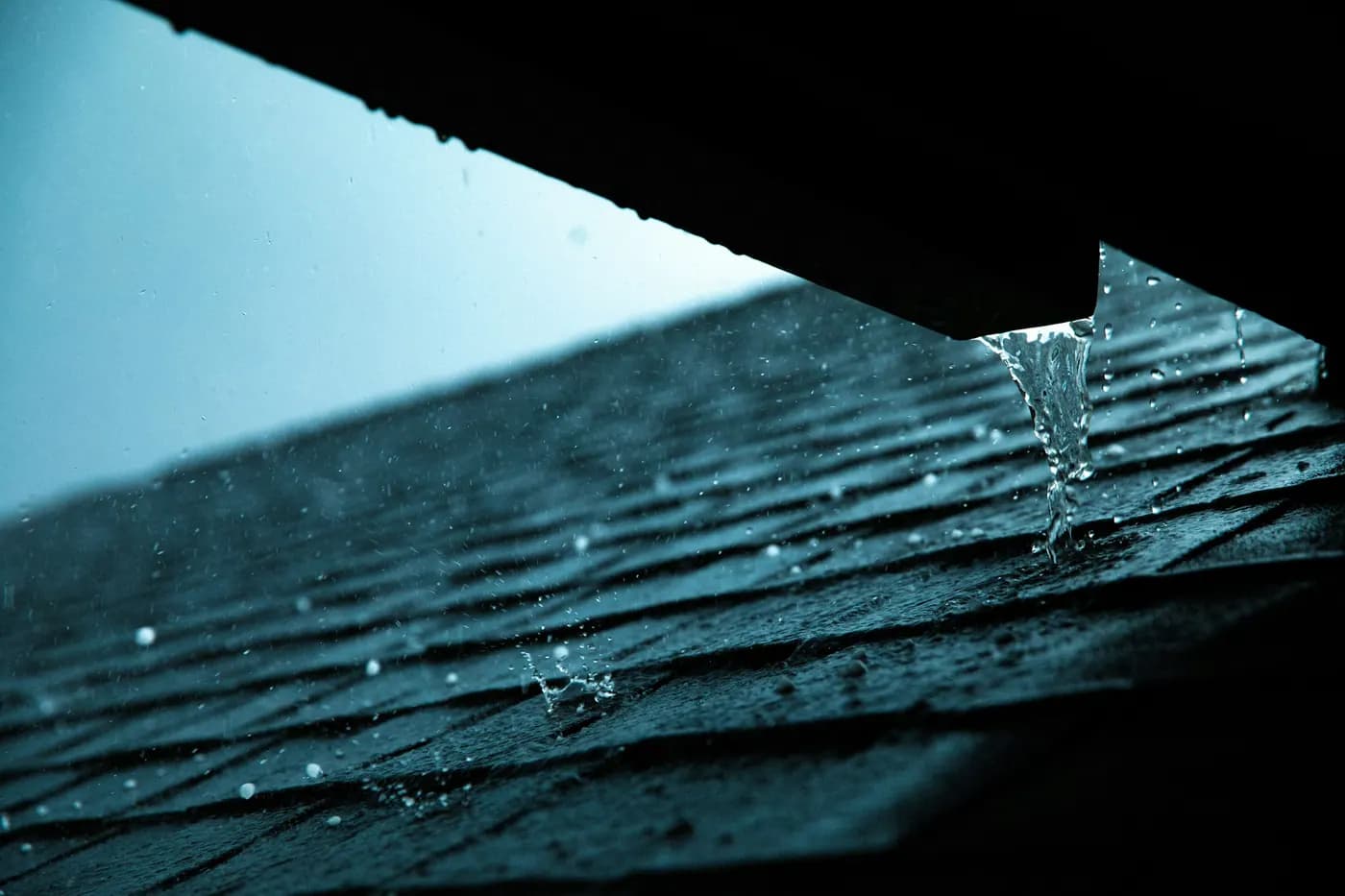
Photo: Luke Southern / Unsplash (Unsplash License). Credits
Roofs are designed around gravity. Shingles overlap so that water running downhill always flows over the next course; flashing laps so water is carried outward. In calm rain, that design works very well.
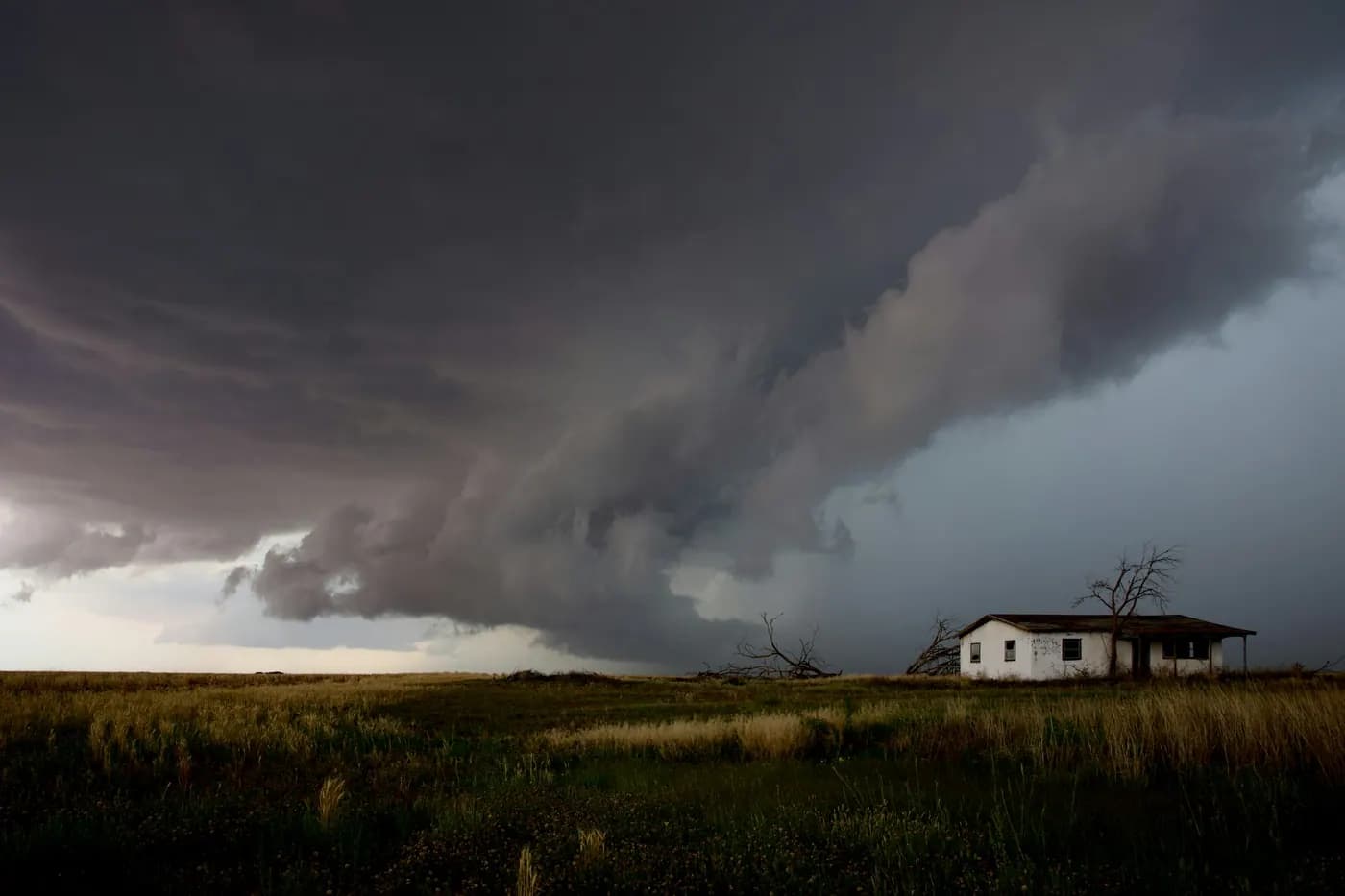
Wind changes the rules. Rain driven sideways, or even pushed uphill by gusts, can reach places that gravity never sends it. That is why so many Cape May County leaks appear only during nor'easters.
The storm-only leak
A common description: "It only leaks when the wind is from the north-east." That detail is valuable. It points to an entry on the side facing that direction, and usually to a detail rather than to the open field of shingles.
Where sideways rain gets in
- Wall and chimney flashing — water blown against the wall runs behind loose counter flashing.
- Roof edges and rakes without adequate drip edge — rain is driven under the first course and onto the deck edge.
- Lifted shingle tabs — once the seal breaks, wind pushes water up under the lap.
- Ridge and box vents — some vents admit rain when wind drives it horizontally.
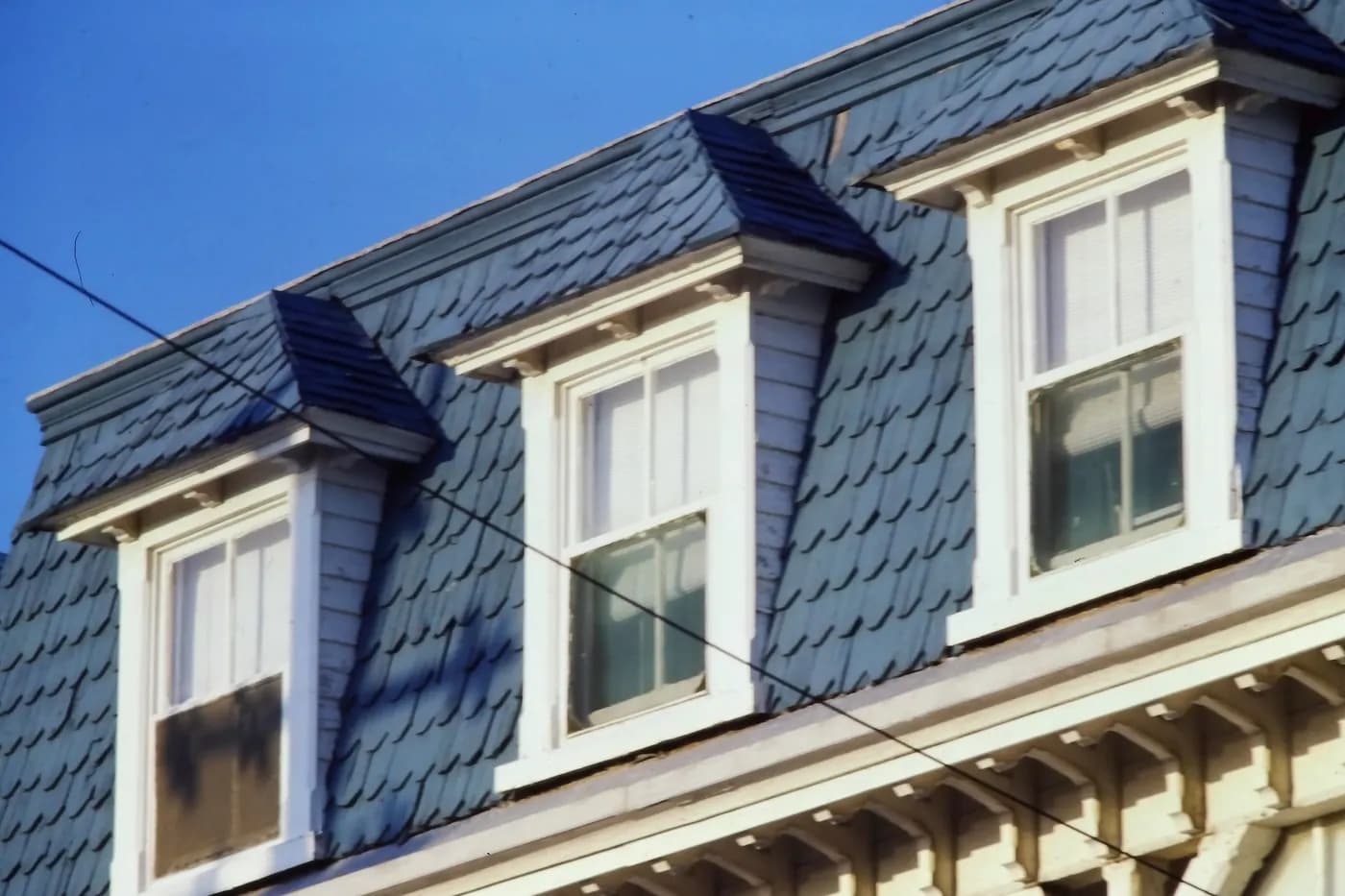
- Dormer and skylight head flashing — the upper corners are frequent weak points.
- Window heads and siding just below roof lines — sometimes the "roof leak" is a wall leak.
Why the stain is somewhere else
Water that enters at a wall flashing may run down a rafter or along the top of a wall before it drips. The ceiling stain can be several feet — or rooms — away from the entry point. That is why tracing starts in the attic and works uphill and upwind from the stain.
How a storm-leak investigation works
- Record when the leak happens: wind direction, rain intensity, duration.
- Inspect the attic above and around the stain for staining on the underside of the deck and framing.
- Examine the roof details upwind and uphill of that point: flashing, edges, vents, lifted tabs.
- Where the source is still unclear, controlled water testing of one detail at a time can confirm it.
Fixes that address the cause
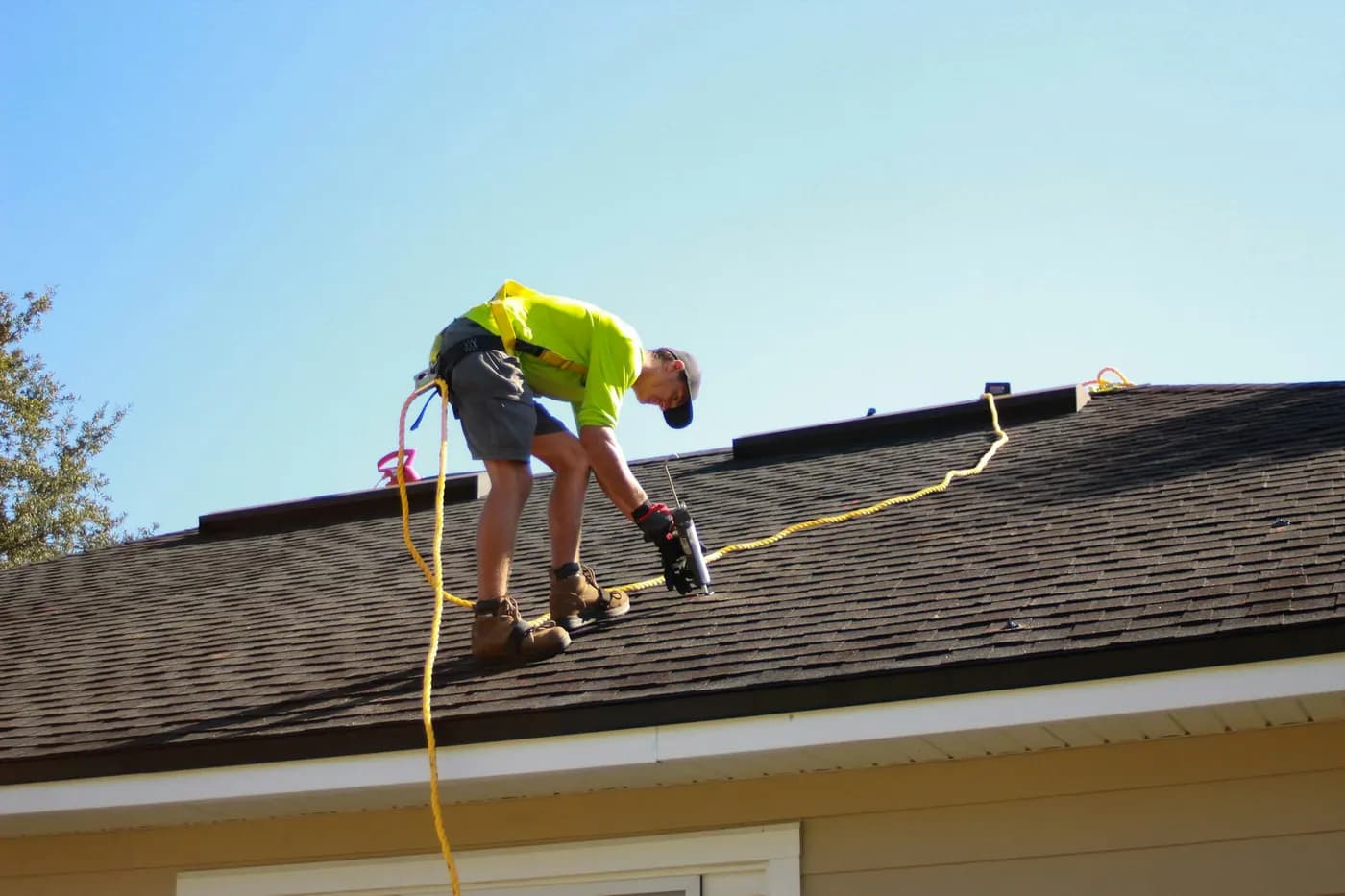
Resealing a detail with caulk often fails again in the next storm. Durable fixes rebuild the detail so it sheds water mechanically: counter flashing properly let in or secured, drip edge installed, lifted shingles replaced, vents changed to types suited to the exposure.
The bottom line
Note the wind direction when the leak appears, check upwind details first, and fix the flashing or edge that lets sideways rain in — not just the stain it leaves.