A metal roof is only as good as its details: how panels are attached, how flashing is formed at valleys, walls and penetrations, and whether the materials chosen suit the site. Near salt air, that last point deserves more thought than it often gets.
Metal roofing questions we get
- Is metal a good choice for a house near the ocean?
- Can a metal porch roof be tied into a shingle main roof?
- Why is there rust at the fasteners or cut edges?
- How do you fix a leak at a seam or penetration?
- Does a metal roof need maintenance?
Standing seam and exposed-fastener systems
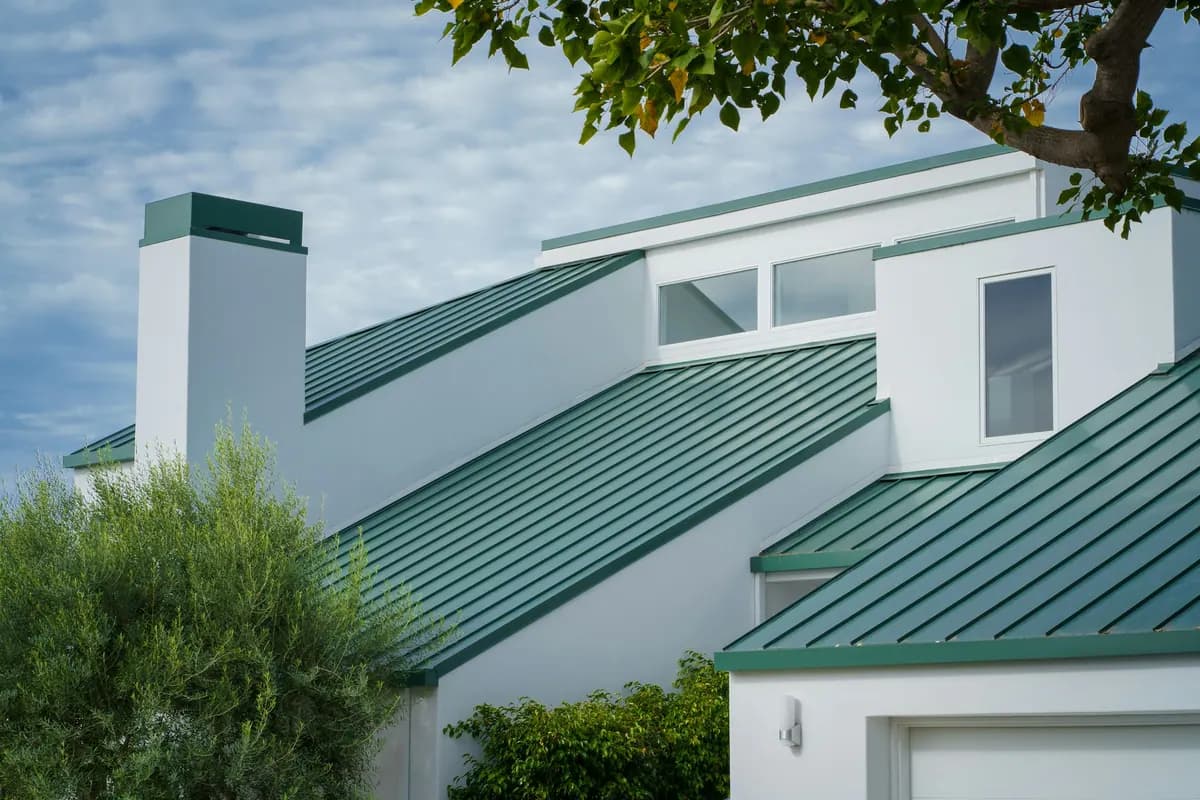
Standing seam panels are attached with clips or fasteners hidden under the seams, which leaves the roof surface free of exposed screw holes and allows the metal to expand and contract. Exposed-fastener panels are screwed through the face; they cost less but rely on sealing washers that age and need checking.
For homes, standing seam is typically preferred for a full roof. Exposed-fastener panels are more common on sheds and agricultural buildings.
Roof geometry and flashing
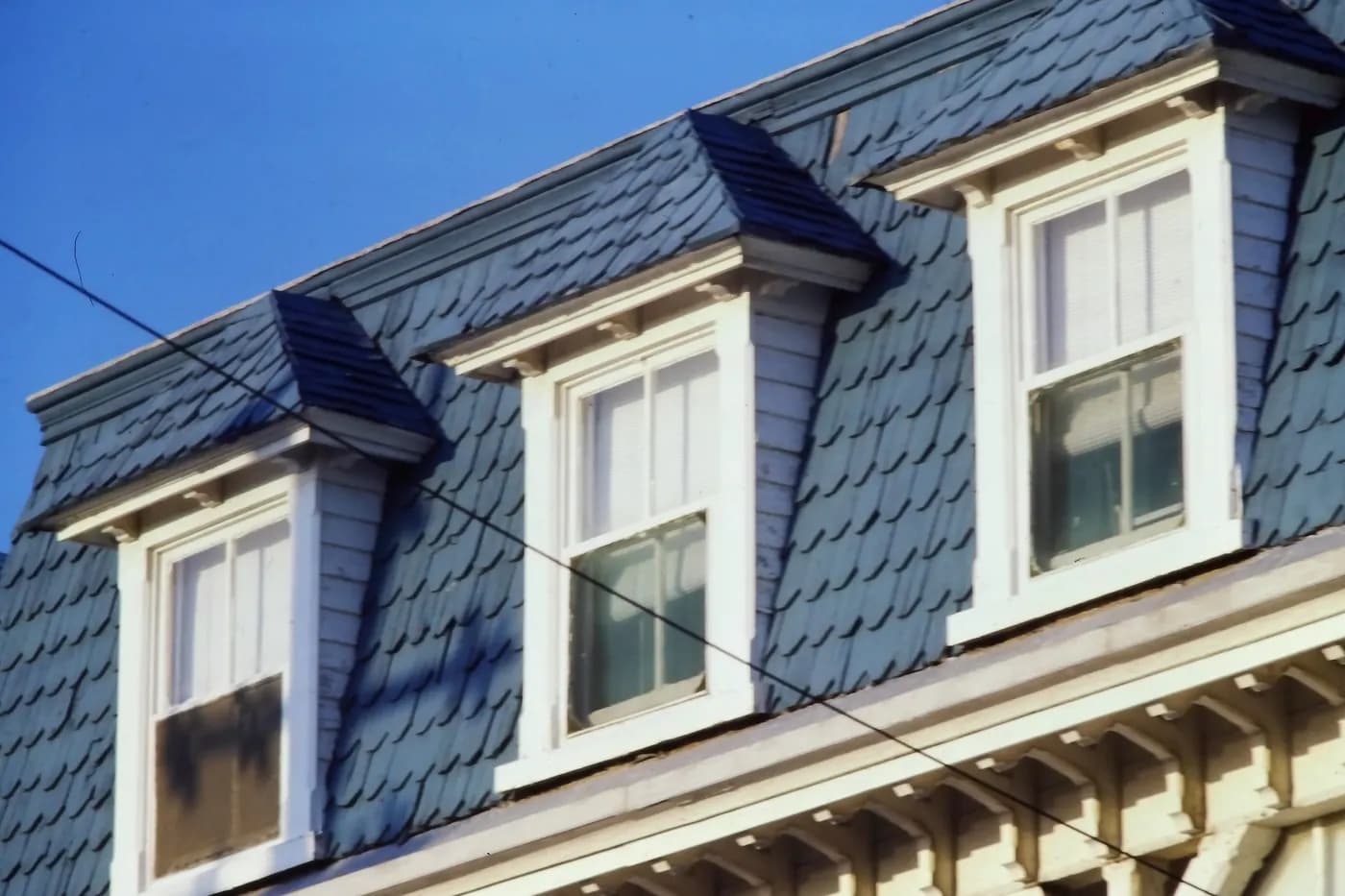
Simple, long slopes suit metal panels best. Every valley, hip, dormer, chimney and skylight requires custom-formed flashing, and complex rooflines add cost and more potential leak points.
- Valleys need correctly formed valley pans and panel terminations.
- Walls and chimneys need flashing that allows the panels to move.
- Pipe and vent penetrations need boots or flashings suited to the panel profile.
- Transitions to shingle or membrane sections need thoughtful lapping.
Coastal component considerations
Salt in the air near the ocean can accelerate corrosion of some metals and coatings, especially at cut edges, scratches and fasteners, and where dissimilar metals touch. That does not rule metal out near the shore; it means material choices matter.
Manufacturers publish guidance on which panel materials, coatings and fasteners suit coastal exposure and how close to salt water their warranties apply. Those documents — for the exact product — should guide the choice, rather than general claims about any metal.
Avoid mixing metals that react with each other, such as copper runoff onto galvanised or aluminium-zinc coated steel. Fasteners should be compatible with the panel material.
Maintenance
Metal roofs still benefit from periodic inspection: checking fasteners and sealant on exposed-fastener systems, clearing debris from valleys, looking for scratches or cut-edge corrosion, and confirming flashings are still secure after storms. Rinsing salt deposits from sheltered areas that rain does not wash is sometimes recommended by manufacturers for coastal sites.
Cape May County
Metal on shore houses and mainland outbuildings
On the islands, metal is often used for accent roofs over porches, bays and dormers on otherwise shingled houses, as well as for full roofs on some newer designs. On mainland properties in Dennis Township, Upper Township and Woodbine, it is common on barns, garages and outbuildings. The questions differ: coastal exposure and corrosion near the water, and tree debris and snow shedding onto walkways inland.
Questions about metal roofing
Do metal roofs last longer than shingles?
Many metal roofing products are designed for long service lives, but actual life depends on the material, coating, installation, maintenance and exposure. Look at the specific product's documentation and warranty terms rather than general lifespan claims.
Is a metal roof noisy in the rain?
Over a solid deck with underlayment, as most residential metal roofs are installed, rain noise is usually modest. Metal over open framing, as on some sheds, is louder.
Can you repair a leaking metal roof?
Yes, in most cases. Leaks usually come from flashings, penetrations, seams or failed fastener washers, and those can be corrected. Panels damaged by impact or corrosion can sometimes be replaced individually.