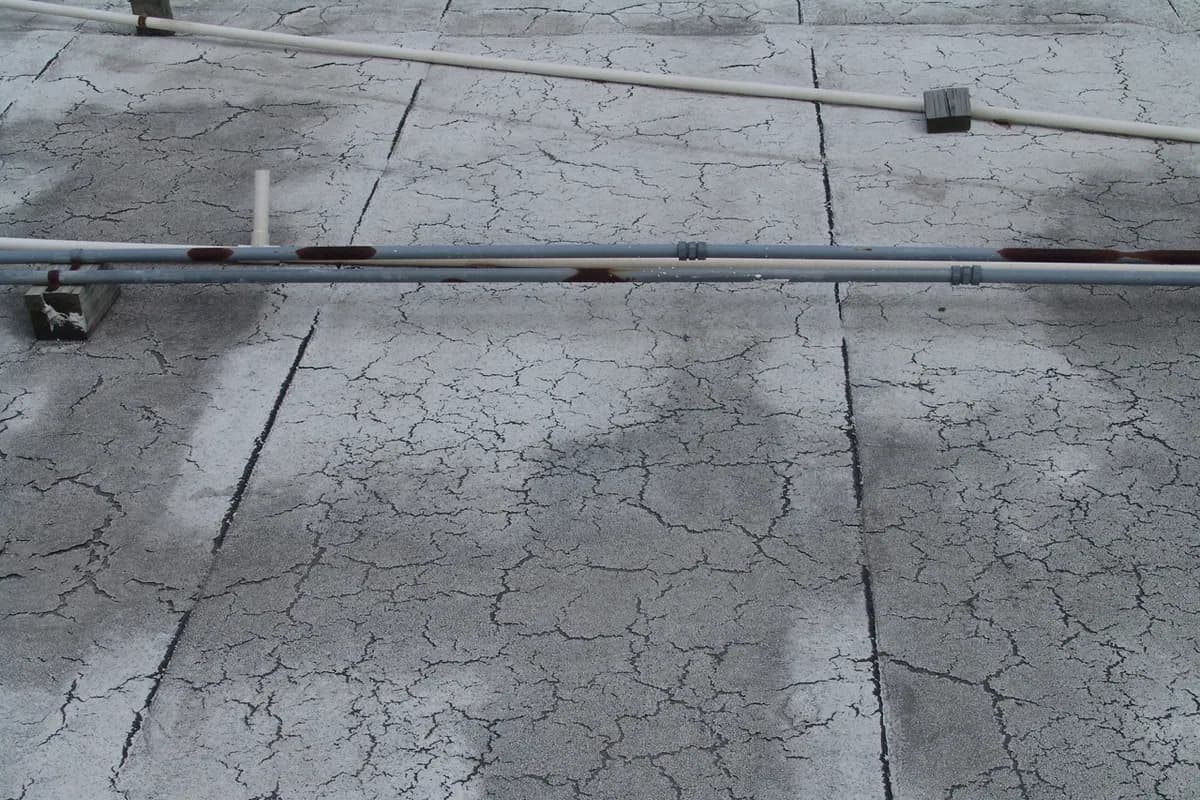
Low-slope roofs · 6 min read
Flat Roof Drainage Problems Near the Shore
Why low-slope roofs hold water, how sand and debris make it worse near the beach, and which fixes actually work.
Roofing for homes and commercial buildings across all 16 Cape May County municipalities
Storm damage or an active leak? Call (914) 906-5748
City of Wildwood · Cape May County, NJ
The commercial heart of the Wildwoods — Doo-Wop motels, boardwalk businesses, condominiums and year-round neighbourhoods on Five Mile Beach.
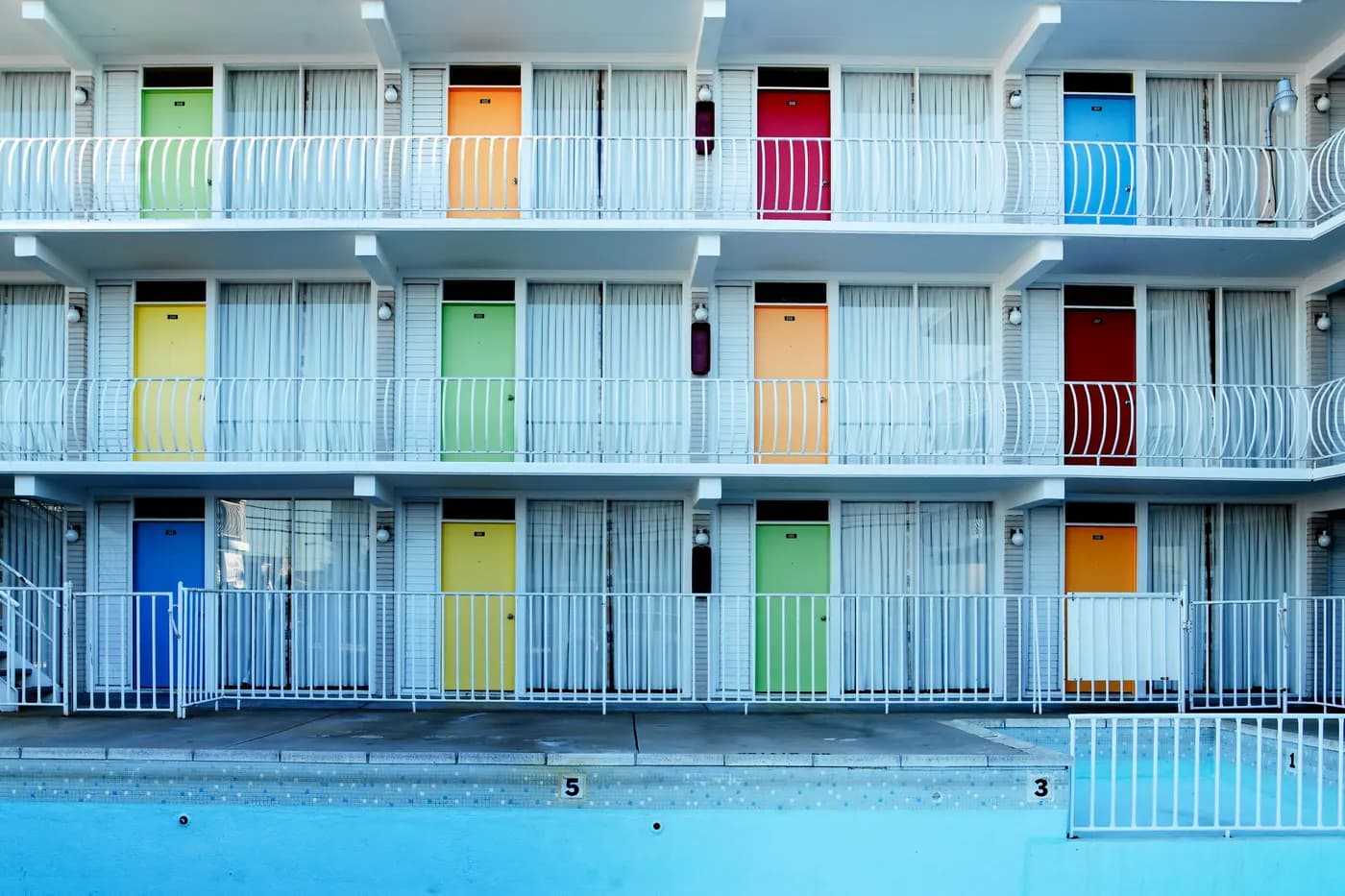
Photo: Carol M. Highsmith / Wikimedia Commons (Public domain). Credits
Wildwood is the busiest of the island towns. Its year-round population is about five thousand, but estimates put the summer crowd as high as a quarter of a million, and much of the city's building stock exists to serve them: motels, restaurants, shops, amusement and boardwalk businesses, and multi-unit rental buildings.
That makes Wildwood the most commercial roofing environment on the barrier islands. Low-slope membrane roofs, rooftop equipment and drainage problems are a large part of the work here — alongside the ordinary pitched roofs of the city's year-round neighbourhoods.
Wildwood sits at the centre of Five Mile Beach, between North Wildwood and Wildwood Crest, with the Diamond Beach section of Lower Township at the island's southern end. Route 47 ends here after crossing from the mainland. The city is known for its boardwalk and — together with Wildwood Crest — for the nation's largest collection of mid-century "Doo-Wop" motel architecture, recognised as the Wildwoods Shore Resort Historic District. Hurricane Sandy in 2012 destroyed much of the boardwalk, which has since been rebuilt.
Homes
Doo-Wop-era motels typically have flat or low-slope roofs, often with angular rooflines, signage and rooftop mechanical equipment. Newer condominium buildings have replaced a number of those motels. Boardwalk and downtown commercial buildings, restaurants and multi-unit rentals round out the resort side. In the residential blocks there are older single-family houses and two-family homes with pitched shingle roofs. Wildwood's residents are, on average, younger than in the neighbouring island towns, and more homes are occupied year-round.
About two in three housing units were counted as vacant on census day in 2020 — lower than in most island towns, reflecting Wildwood's larger year-round community, but still a large seasonal share.
Commercial buildings
Most commercial properties in Wildwood earn their revenue between late spring and early autumn. Roof repairs during the season need to minimise disruption; larger projects are best scheduled for the off-season, leaving time for weather before opening.
Commercial roofingA large share of Wildwood's roofs are low-slope. Motels, restaurants, shops and multi-unit buildings commonly have membrane roofs with rooftop HVAC units, exhaust fans, signage supports and conduit. Each penetration is a potential leak, and every drain has to keep up with summer downpours.
For a motel or boardwalk business, a leak in July is a lost booking or a closed section. Preventive checks before the season, quick temporary repairs when something fails mid-summer, and major work in the off-season are how most owners manage it. Off-season projects should allow for winter weather delays before opening.
Sandy's damage to the boardwalk in 2012 showed how exposed the beachfront is. After a major storm, buildings nearest the beach should be checked for lifted edge metal and coping, displaced rooftop equipment, and membrane damage from wind-borne debris.
When a roof leaks during the season, the priority is a safe, fast repair with minimal disruption to guests and customers — then a proper assessment of whether the roof needs more substantial work in the autumn.
Close to the beach, sand and litter end up on roofs and in drains. A clogged strainer during a thunderstorm can put several inches of water on a flat roof quickly. Clearing drains and scuppers before summer and after storms is simple, cheap insurance.
When a low-slope roof is past repair, replacement is also the opportunity to correct drainage — adding tapered insulation for slope, enlarging scuppers — and to replace worn edge metal. Planning in late summer allows the work to be done in autumn or early spring.
A spring roof check before opening covers drains, seams, curbs and edges, and flags anything that could fail under summer storms. For multi-unit residential buildings, it is also the moment to check every top-floor unit's ceiling.
Weather
Winter nor'easters and late-summer and autumn tropical systems bring the strongest winds; summer thunderstorms bring sudden heavy rain that tests low-slope drainage.
Exposure
Boardwalk-adjacent buildings take direct onshore wind and salt spray. Rooftop equipment, edge metal and fasteners on those roofs are the components most exposed to corrosion.
Drainage
Low-slope roofs here depend on internal drains, scuppers and gutters. Sand and debris blown onto roofs near the beach clog strainers and scuppers faster than on inland buildings.
Wildwood's mix of resort buildings and year-round homes calls for these services most often:
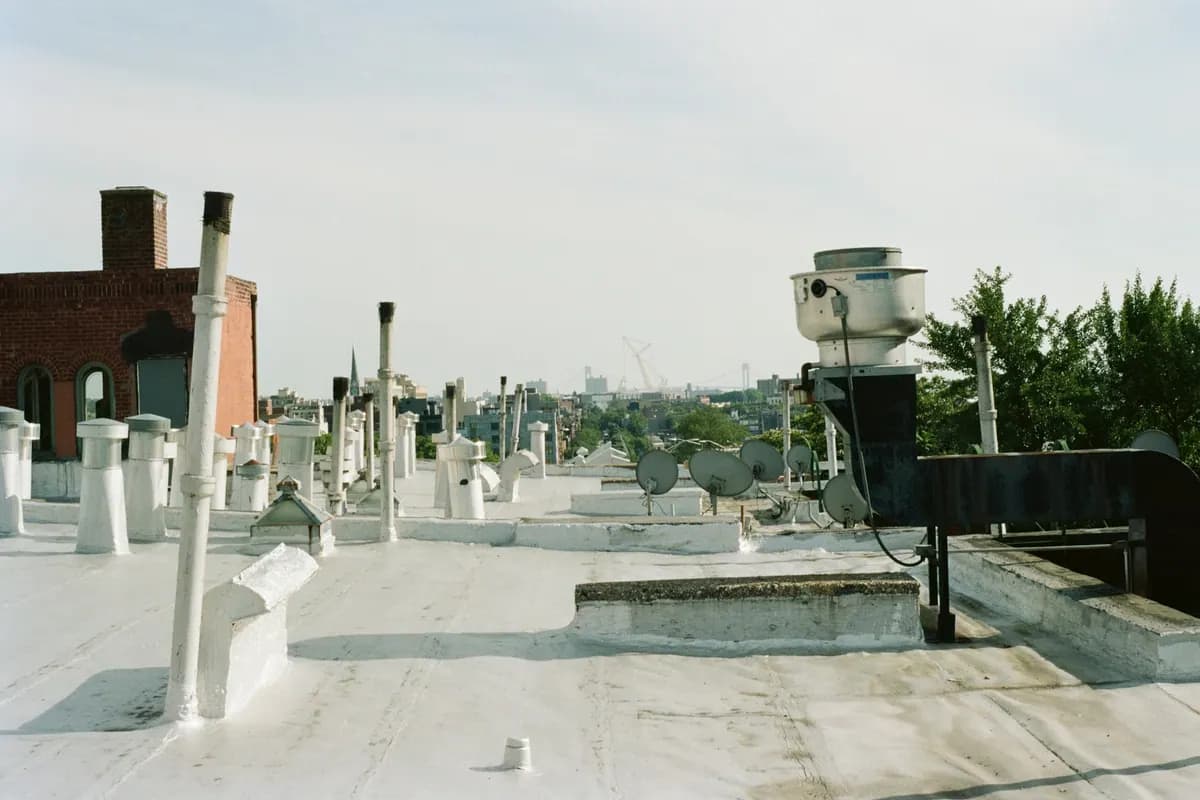
Low-slope and mixed roofs on shops, offices, multi-unit and hospitality buildings: inspection, leak repair, drainage correction and replacement planning.
Low-slope roofs on additions, porches, decks over living space and commercial buildings: membrane and seam repair, drainage correction, flashing and replacement.
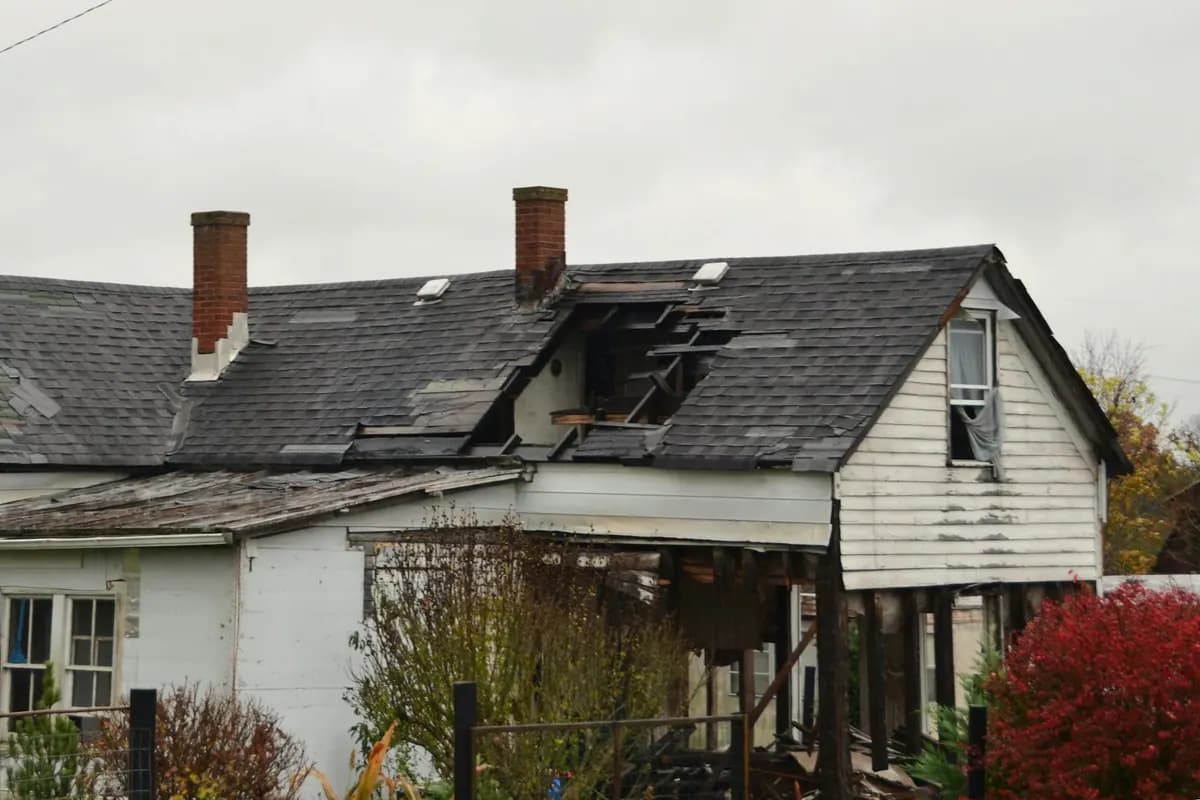
Assessing and repairing roofs after nor'easters, tropical systems and severe thunderstorms: wind uplift, torn ridges and edges, displaced flashing and debris impact.
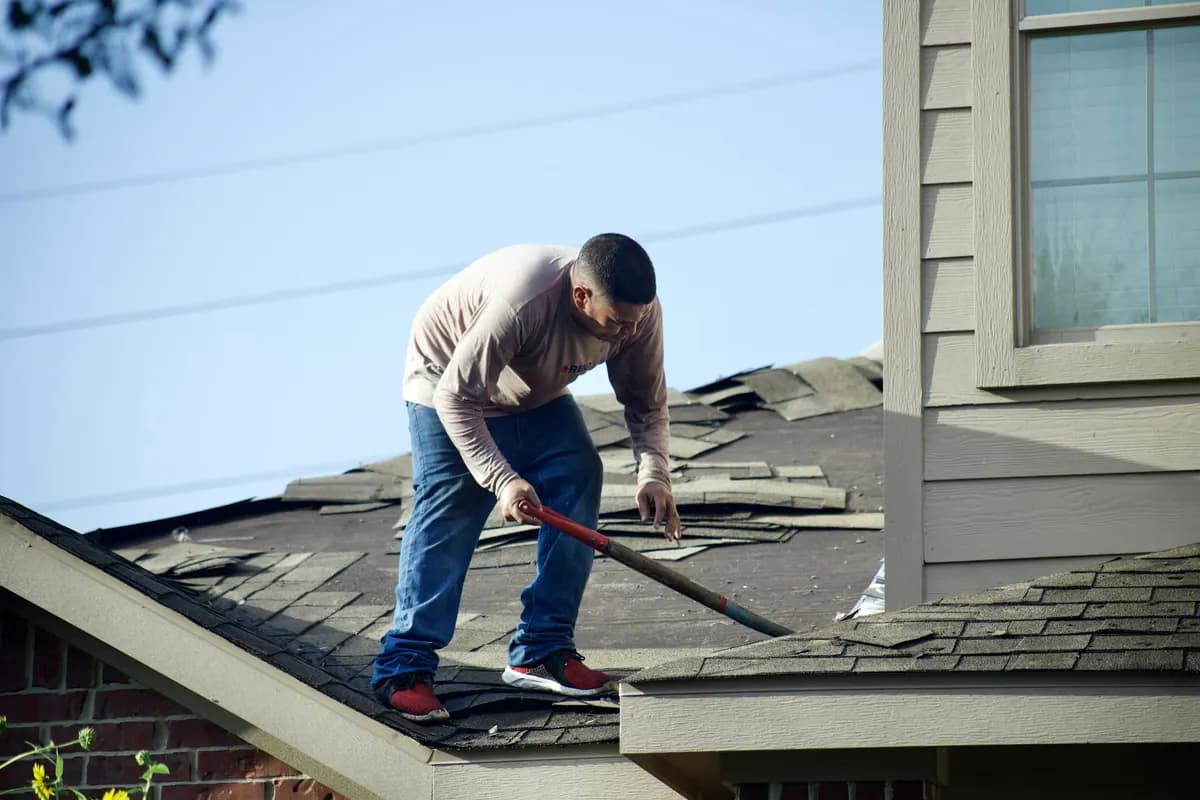
Finding where water is actually getting in — flashing, pipe boots, valleys, lifted shingles, roof edges — and fixing that, rather than the stain it left.
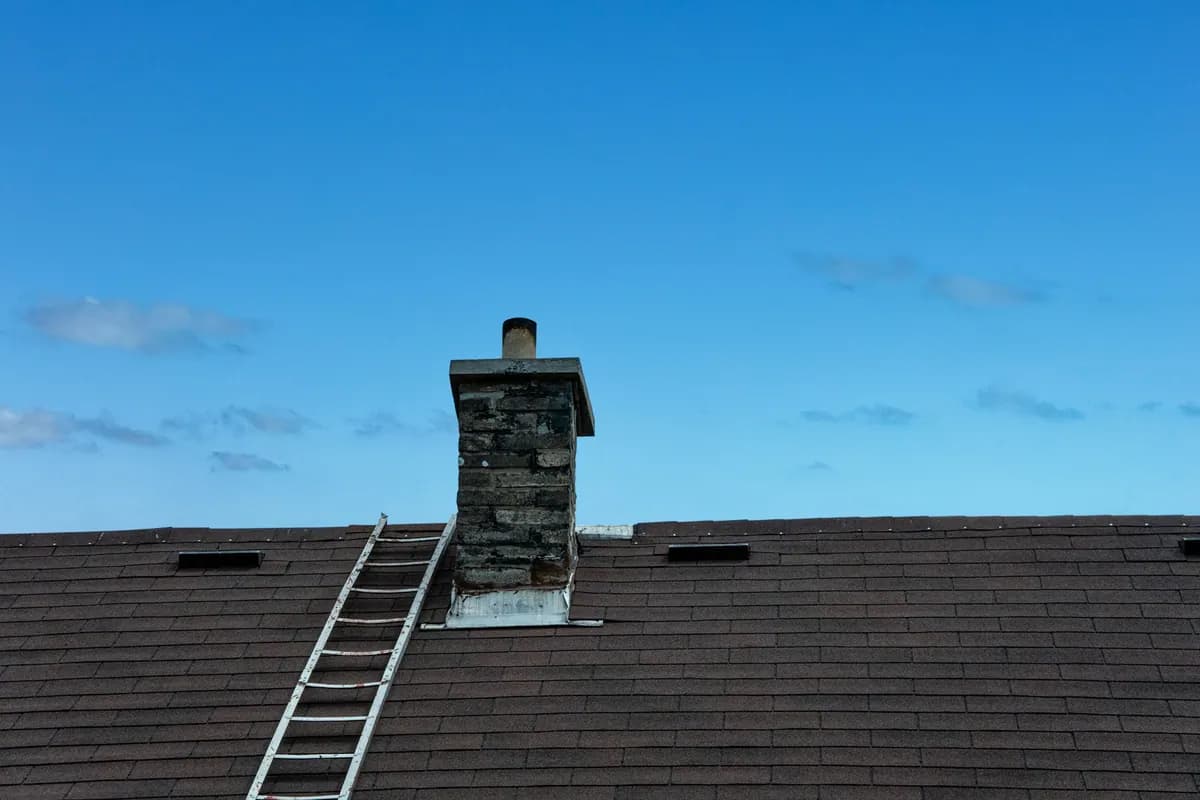
A close look at the whole roof — surface, flashing, edges, drainage and attic — before buying, before the season, after a storm, or when you simply are not sure.
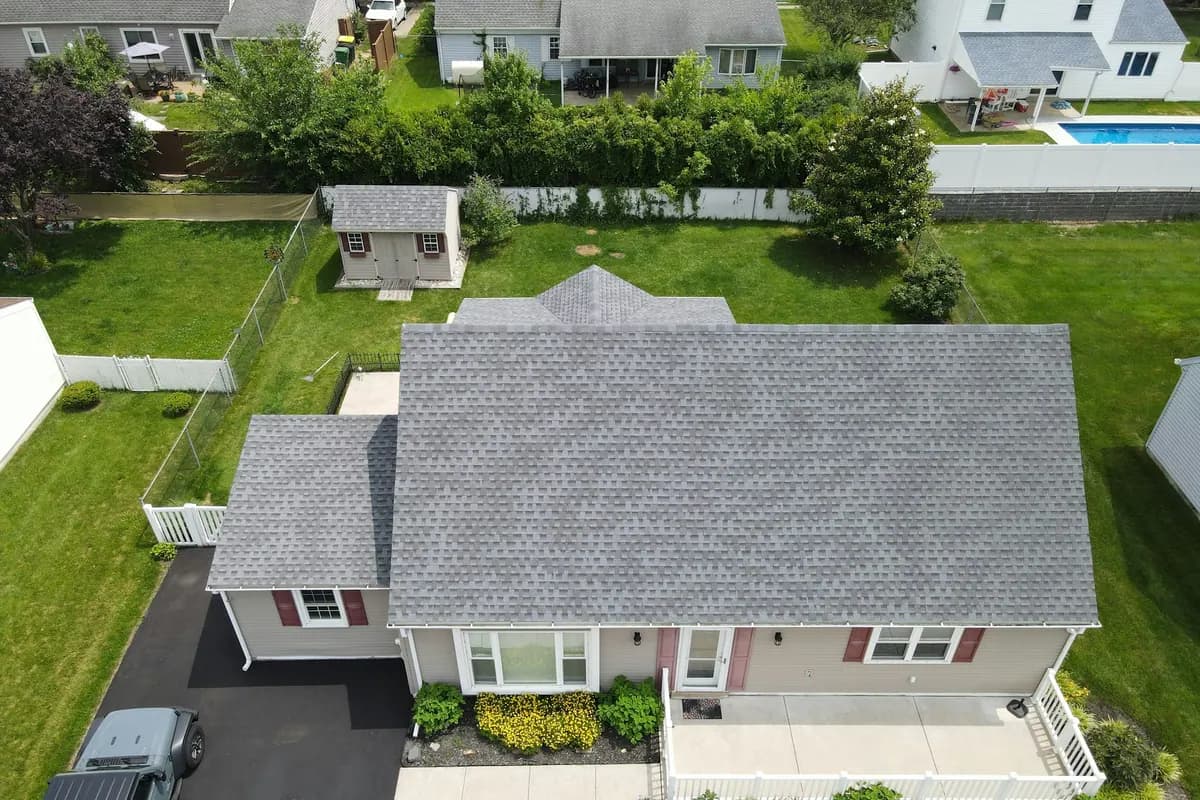
Roofing for the county's full range of houses — Victorian cottages, raised shore homes, duplexes, ranches and farmhouses on wooded mainland lots.
Wildwood questions
Yes — low-slope and mixed roofs on motels, restaurants, shops and multi-unit buildings, as well as pitched roofs on homes. Tell us about the building and the roof and we will say plainly whether it is a good fit.
Often a temporary repair can be made quickly with minimal disruption, and the permanent fix scheduled for the off-season. It depends on where the leak is and how widespread the roof's problems are.
Usually a clogged drain or scupper, a low spot, or not enough slope. Near the beach, wind-blown sand often clogs strainers. The cause determines the fix.
No — they are separate municipalities on the same island, with different building stock. See our North Wildwood, Wildwood Crest and West Wildwood pages.
Low-slope roofs · 6 min read
Why low-slope roofs hold water, how sand and debris make it worse near the beach, and which fixes actually work.
Coastal exposure · 6 min read
Salt air does not destroy roofs. It does work on certain metal parts — and knowing which ones makes maintenance simple.
Storms & wind · 7 min read
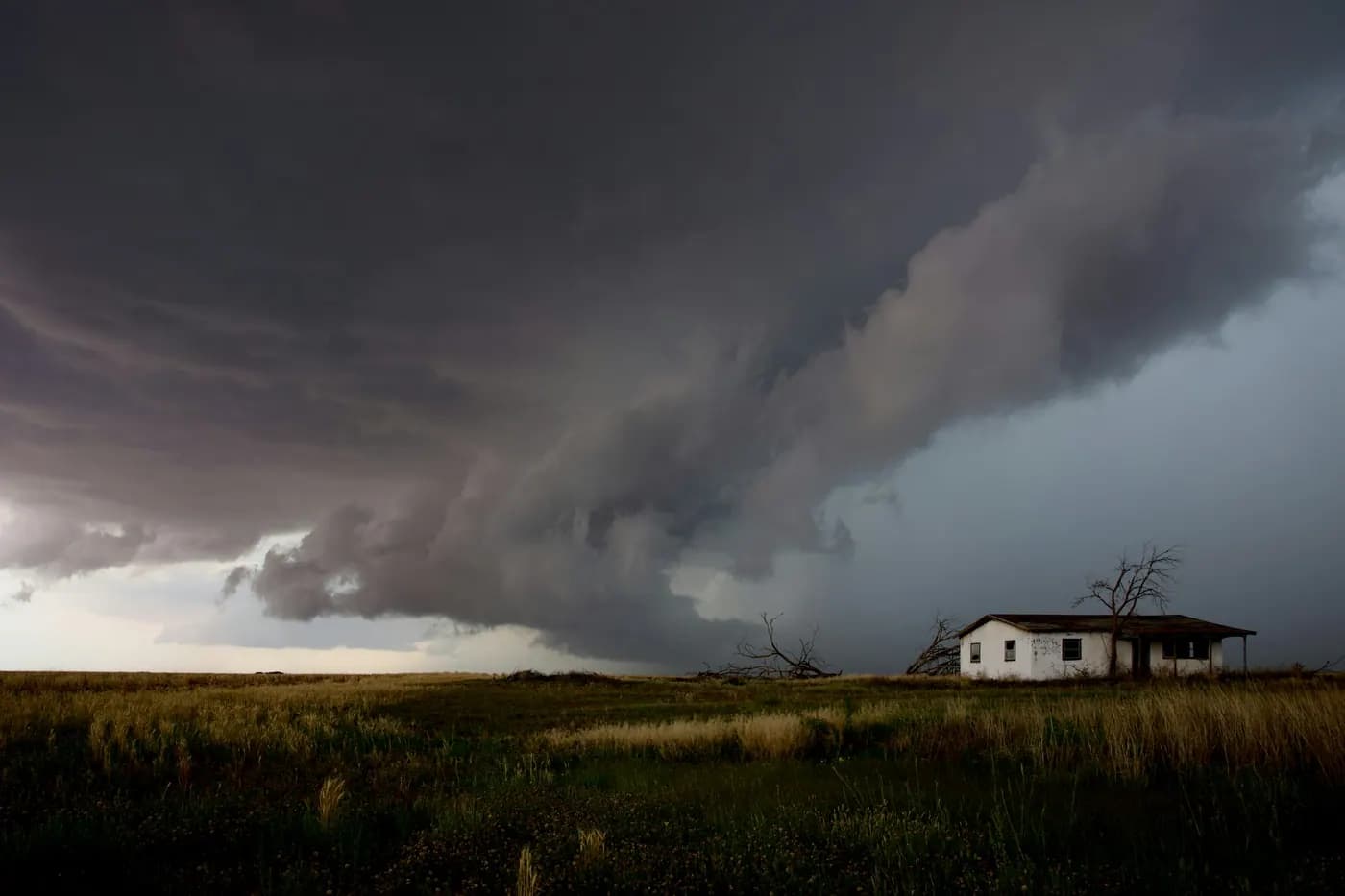
A ground-level checklist for the day after a nor'easter: what to look at, what to photograph, and what should never be done from a ladder.
Roof evaluation request
Tell us about the property and what you are seeing. If you are away from your Wildwood property, say so and we will ask about access.
Roofing for the City of Wildwood, Cape May County, New Jersey. This page describes an area we serve; we do not claim an office in Wildwood.