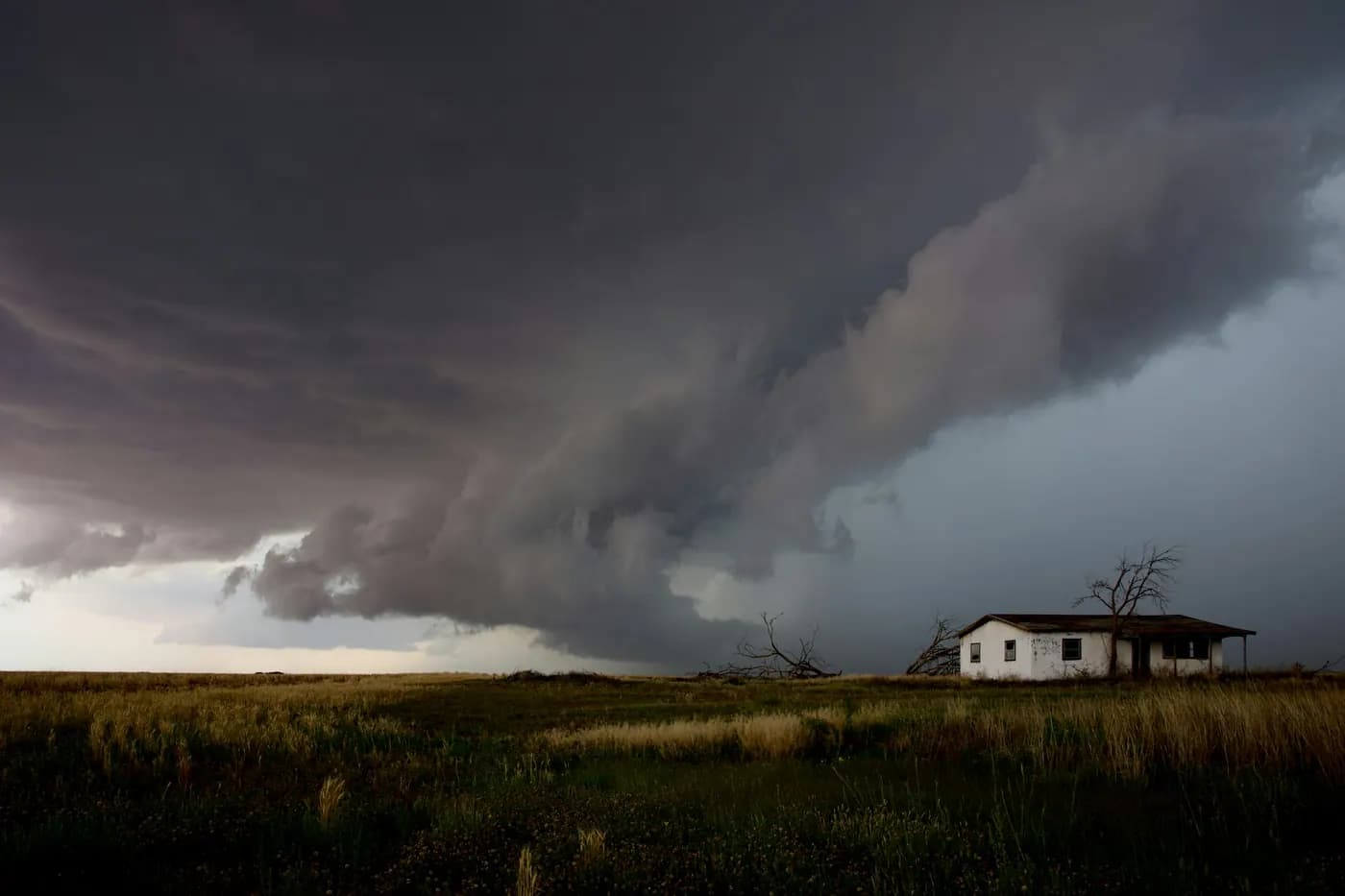
Storms & wind · 7 min read
What to Check on Your Roof After Strong Coastal Winds
A ground-level checklist for the day after a nor'easter: what to look at, what to photograph, and what should never be done from a ladder.
Roofing for homes and commercial buildings across all 16 Cape May County municipalities
Storm damage or an active leak? Call (914) 906-5748
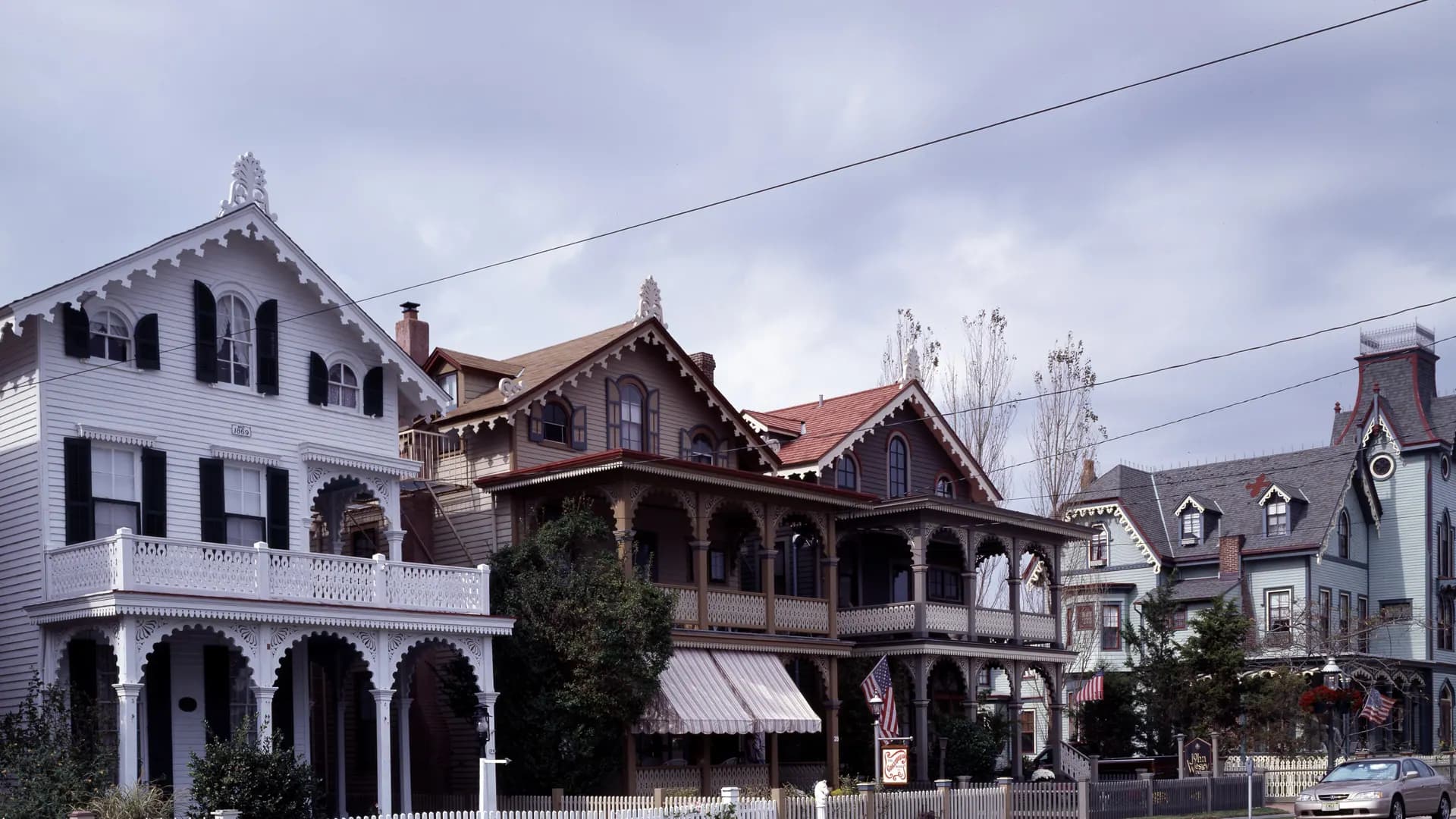
Cape May County, New Jersey
Roof repair, replacement and inspection for Cape May County homes and buildings — from barrier-island shore towns that take the full force of coastal wind and weather, to Victorian streets on Cape Island, to wooded mainland neighbourhoods farther inland.
Photo: Carol M. Highsmith / Wikimedia Commons (Public domain). Credits
03The county's roofs
Cape May County is New Jersey’s southernmost county, a peninsula between the Atlantic and Delaware Bay. Its roofs fall into three broad settings, and the problems differ in each.
The barrier islands — Ocean City, Sea Isle City, Avalon, Stone Harbor and the Wildwoods — take onshore wind with little to slow it, and many homes are seasonal: in the 2020 census, most housing units in these towns were counted as vacant, a category that includes second homes.
Cape Island, at the tip, holds the City of Cape May — designated in its entirety as a National Historic Landmark district — along with West Cape May and Cape May Point. Complex older roofs and flashing dominate the work here.
The mainland — Upper, Dennis, Middle and Lower Townships and Woodbine — is largely year-round and often wooded. Trees, aging roofs on established neighbourhoods and commercial buildings along Route 9 and Route 47 shape the work.
04Diagnostic
Eight conditions account for most of the roof problems we are asked about. Several usually act together — wind lifts a shingle, and wind-driven rain finds the gap.
Edges, corners and ridges are where uplift starts. Once one piece goes, the next course is exposed from underneath.
Sideways rain reaches flashing joints and shingle laps that stay dry in a calm downpour — the cause of many storm-only leaks.
A shingle whose seal has broken can look normal, then tear off in the next blow. Creases are the tell-tale sign.
Chimneys, dormers, walls and skylights depend on overlapping metal, not sealant. Old patching hides failures.
Clogged gutters, undersized downspouts and ponding on low-slope roofs push water where it does not belong.
Cracked pipe boots, loose vents and rooftop equipment curbs are small openings with outsized consequences.
Near salt water, some fasteners, flashing and gutter parts corrode faster — mostly at cut edges and where metals meet.
Brittle, curling shingles and cracked membranes lose their ability to shed water and resist wind.
05Core services
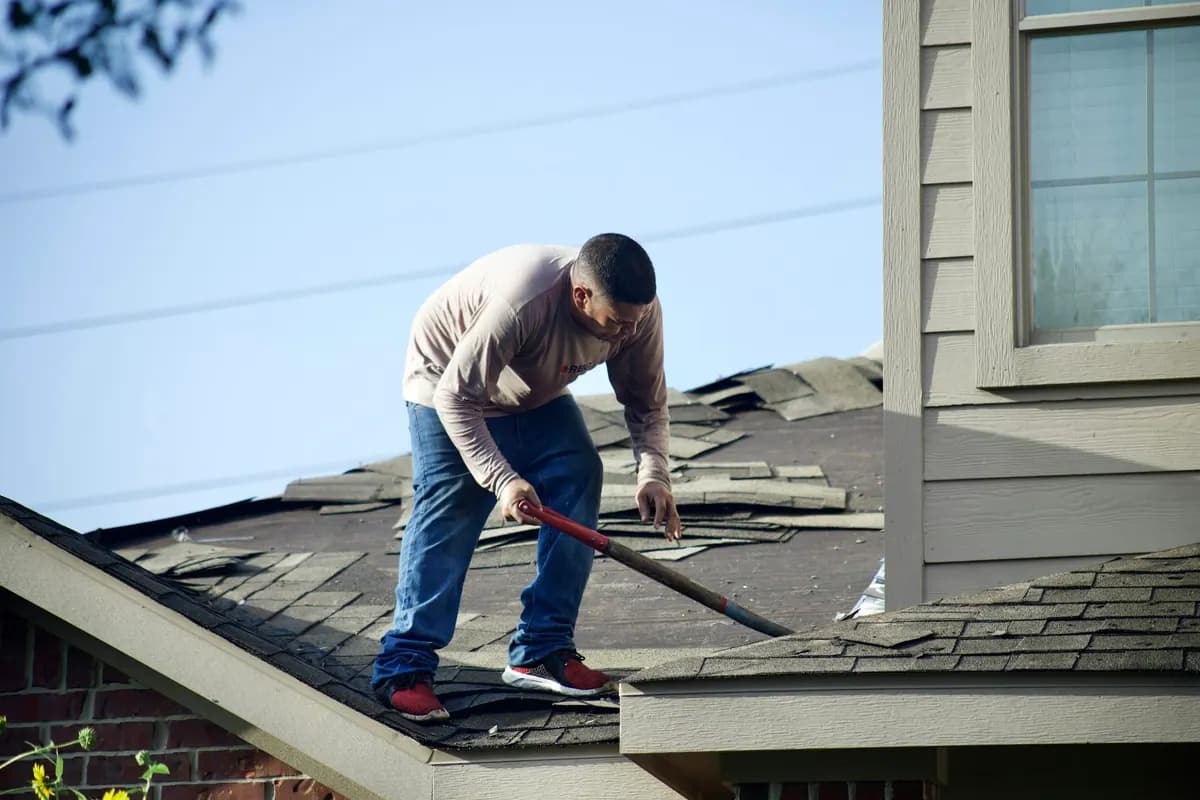
Finding where water is actually getting in — flashing, pipe boots, valleys, lifted shingles, roof edges — and fixing that, rather than the stain it left.
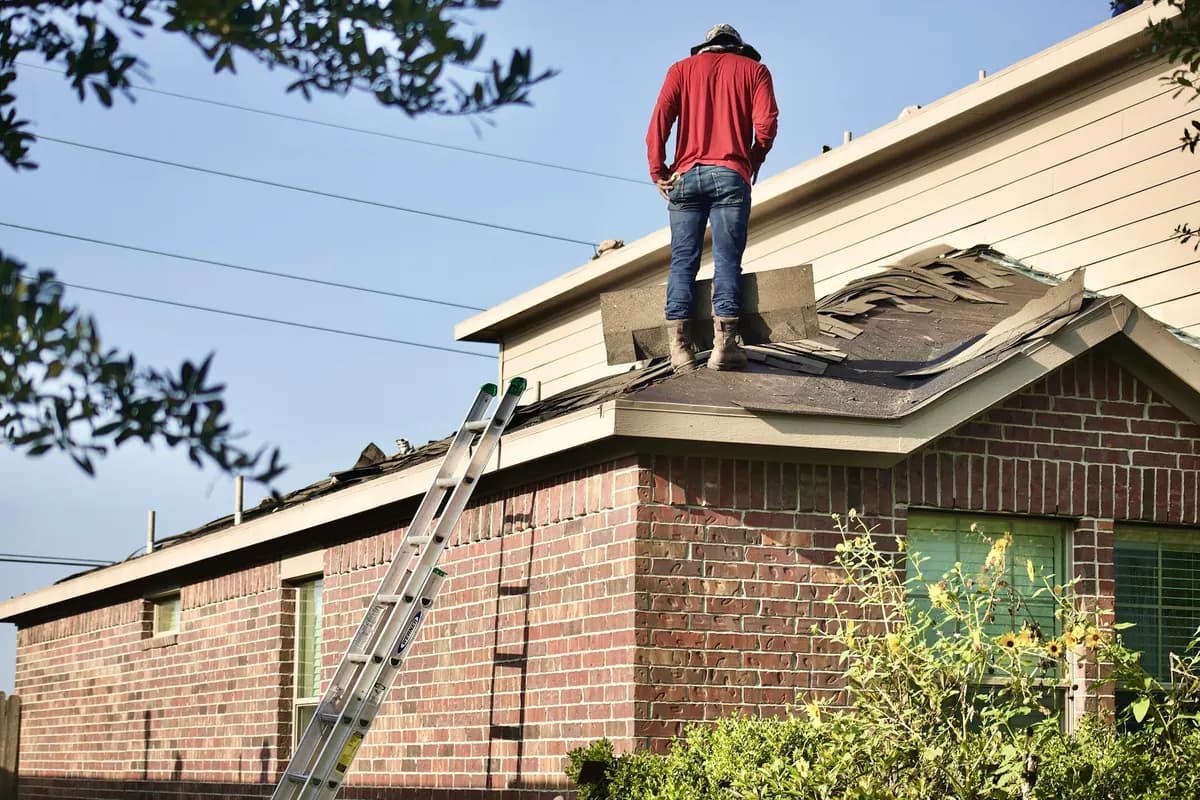
A complete tear-off and rebuild — deck review, underlayment, edge metal, flashing, ventilation and ridge — planned around the house and the season.
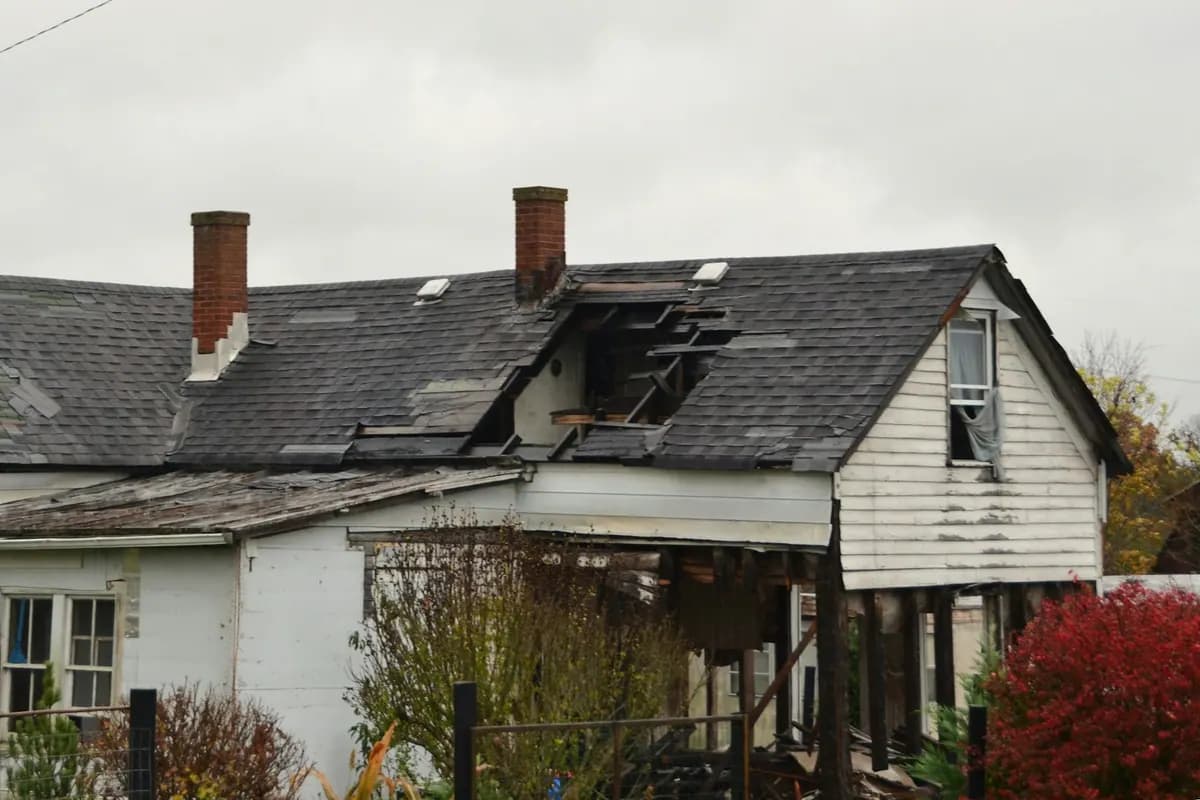
Assessing and repairing roofs after nor'easters, tropical systems and severe thunderstorms: wind uplift, torn ridges and edges, displaced flashing and debris impact.
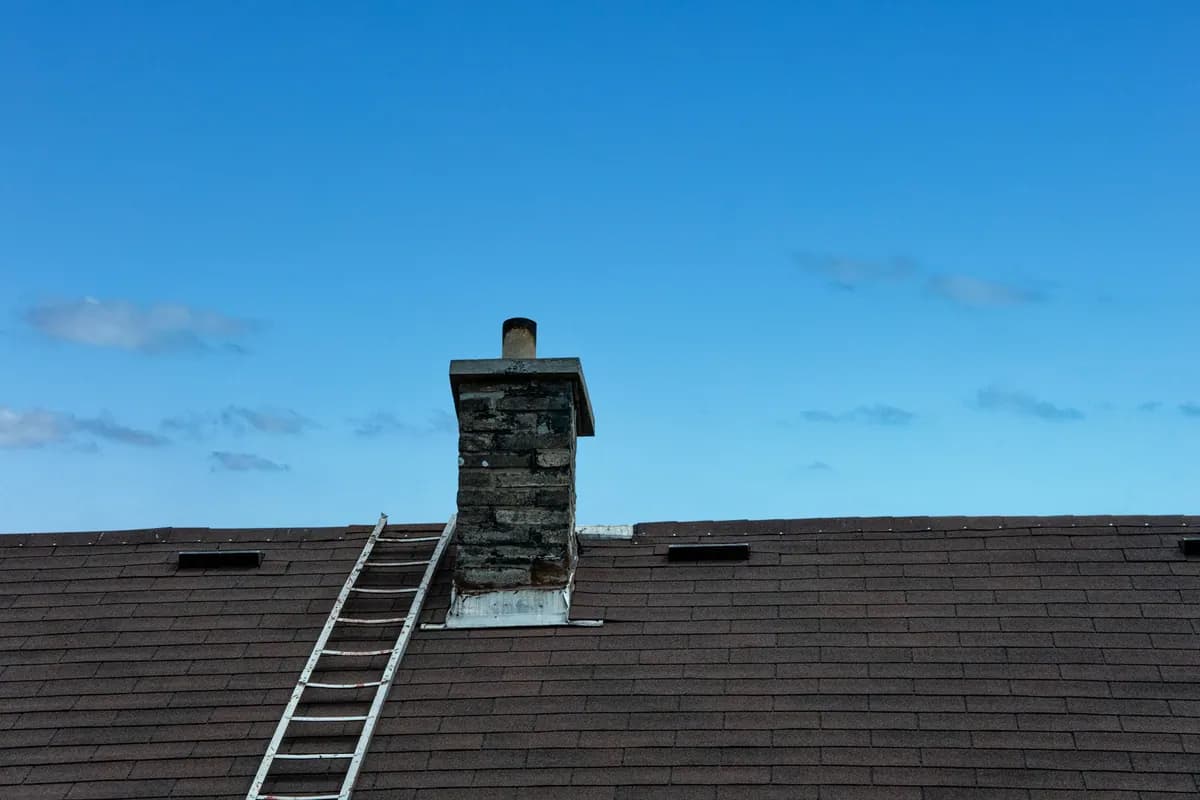
A close look at the whole roof — surface, flashing, edges, drainage and attic — before buying, before the season, after a storm, or when you simply are not sure.
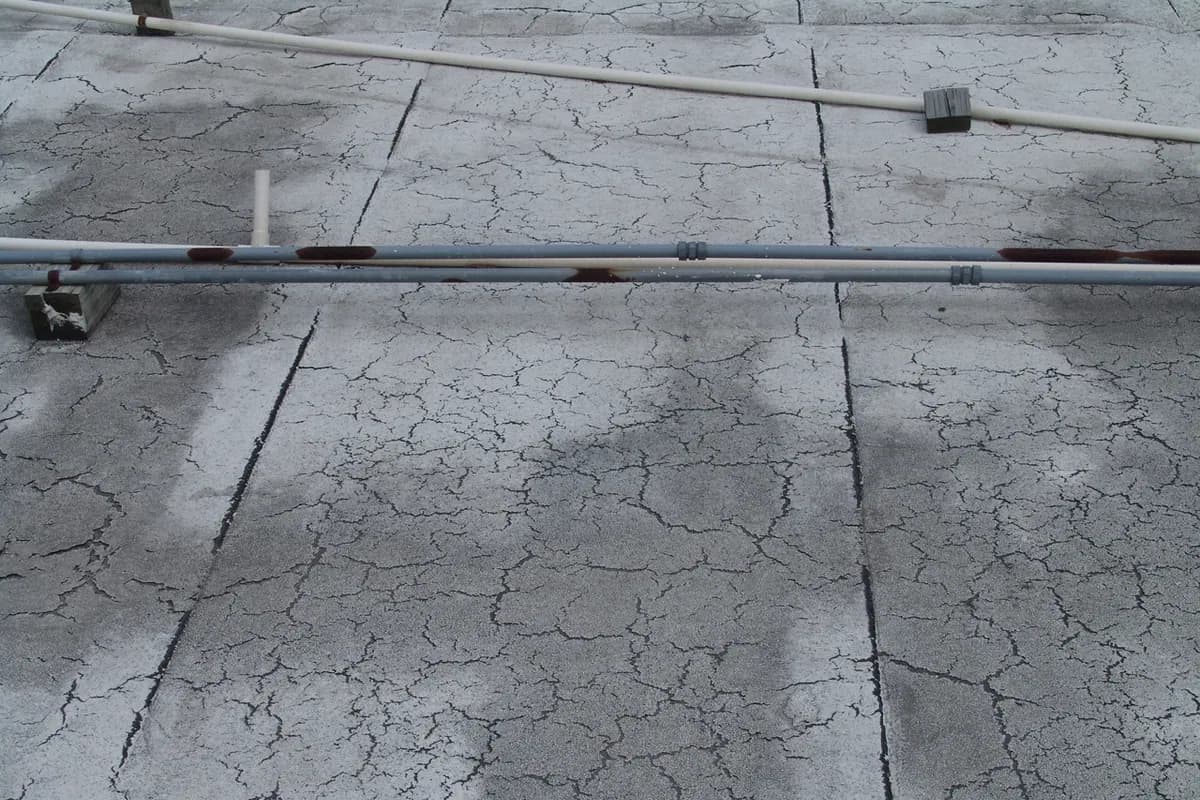
Low-slope roofs on additions, porches, decks over living space and commercial buildings: membrane and seam repair, drainage correction, flashing and replacement.
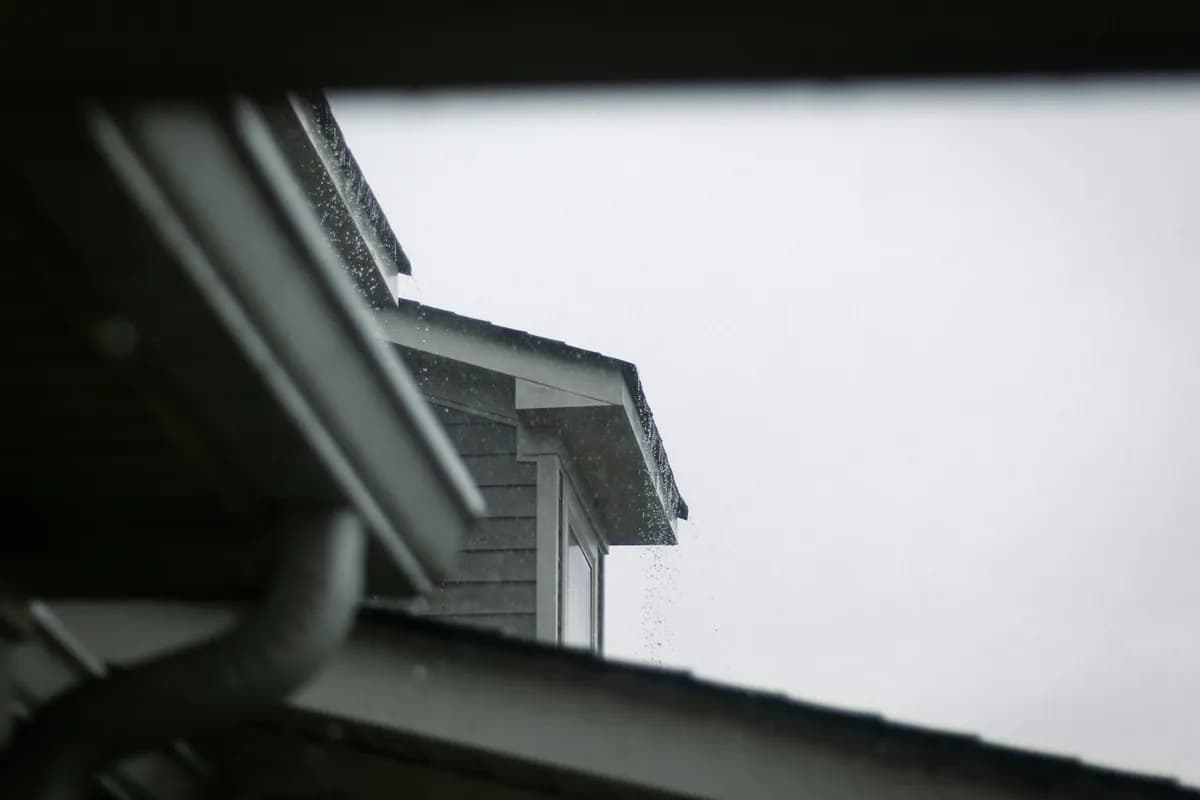
Gutters and downspouts treated as part of the roof: repair, replacement and re-pitching so water leaves the roof edge instead of backing into fascia and walls.
06Coastal considerations
None of this requires exotic products. It requires following the manufacturer's installation instructions for the exposure, choosing compatible metals, and paying attention to the details that wind and water test first.
More detail: what salt air can mean for roof and gutter components.
07Repair or replace
08Second homes & rentals
A leak in an empty house can run for weeks before anyone sees it. A simple routine closes that gap — no monitoring gadgets, just checks at the right times and a plan for access.
Read the seasonal-home roof guide09Roofing systems
The most common pitched-roof covering in the county, from Villas ranches to large Avalon homes. Performance depends on edge, nailing and ridge details.
Full roofs on some newer designs and accents over porches, bays and dormers; outbuildings on the mainland. Material choice matters near salt water.
Porches, rear additions, roof decks over living space, motels and storefronts. Drainage and seams decide how long it lasts.
Victorian cottages, mansards, towers and farmhouses with additions — many roof planes and many flashing details on one building.
10Commercial & low-slope
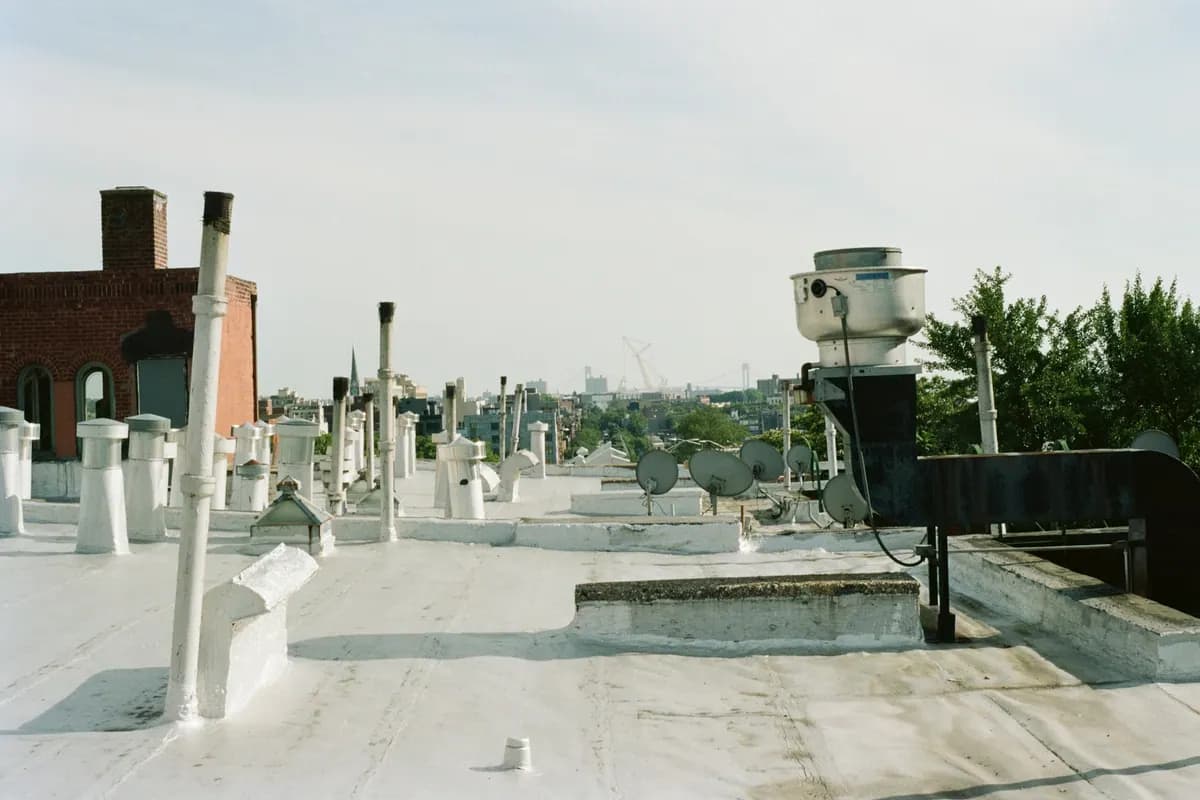
Much of the county’s commercial building stock runs on a summer calendar, and much of it has low-slope roofs with rooftop equipment. Drainage, seams and penetrations decide how those roofs perform. Larger work belongs in the off-season; the planning belongs in late summer.
11Service areas
12How we inspect
What you have noticed, when it happens, the roof's age and history, and how the property is used.
Where accessible: staining, damp insulation, daylight at penetrations, ventilation.
Covering condition, lifted or missing pieces, edges, rakes and ridges.
Chimneys, walls, dormers, skylights, vents and pipe boots.
Gutters, downspouts, valleys, and drains or scuppers on low-slope areas.
What is sound, what needs attention, how urgent it is — with photos, and repair recommended wherever repair is the right answer.
13Before & after storms
Water coming in now? Call (914) 906-5748. We can document damage for you, but insurance coverage is always decided by your insurer.
14Homeowner knowledge center
Storms & wind · 7 min read
A ground-level checklist for the day after a nor'easter: what to look at, what to photograph, and what should never be done from a ladder.
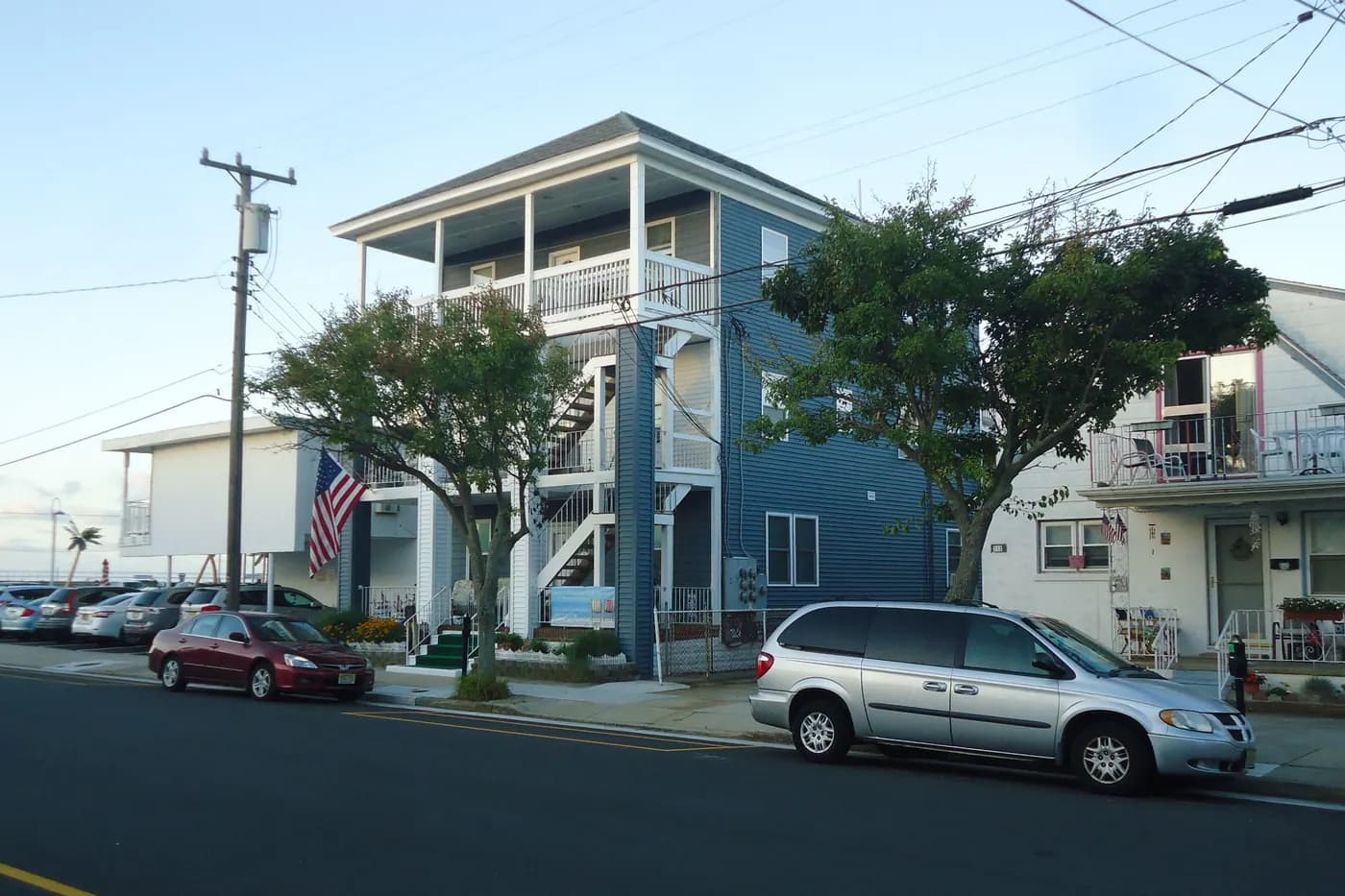
Seasonal homes · 6 min read
A simple calendar for owners who are not there all year — and the access plan that makes it work.
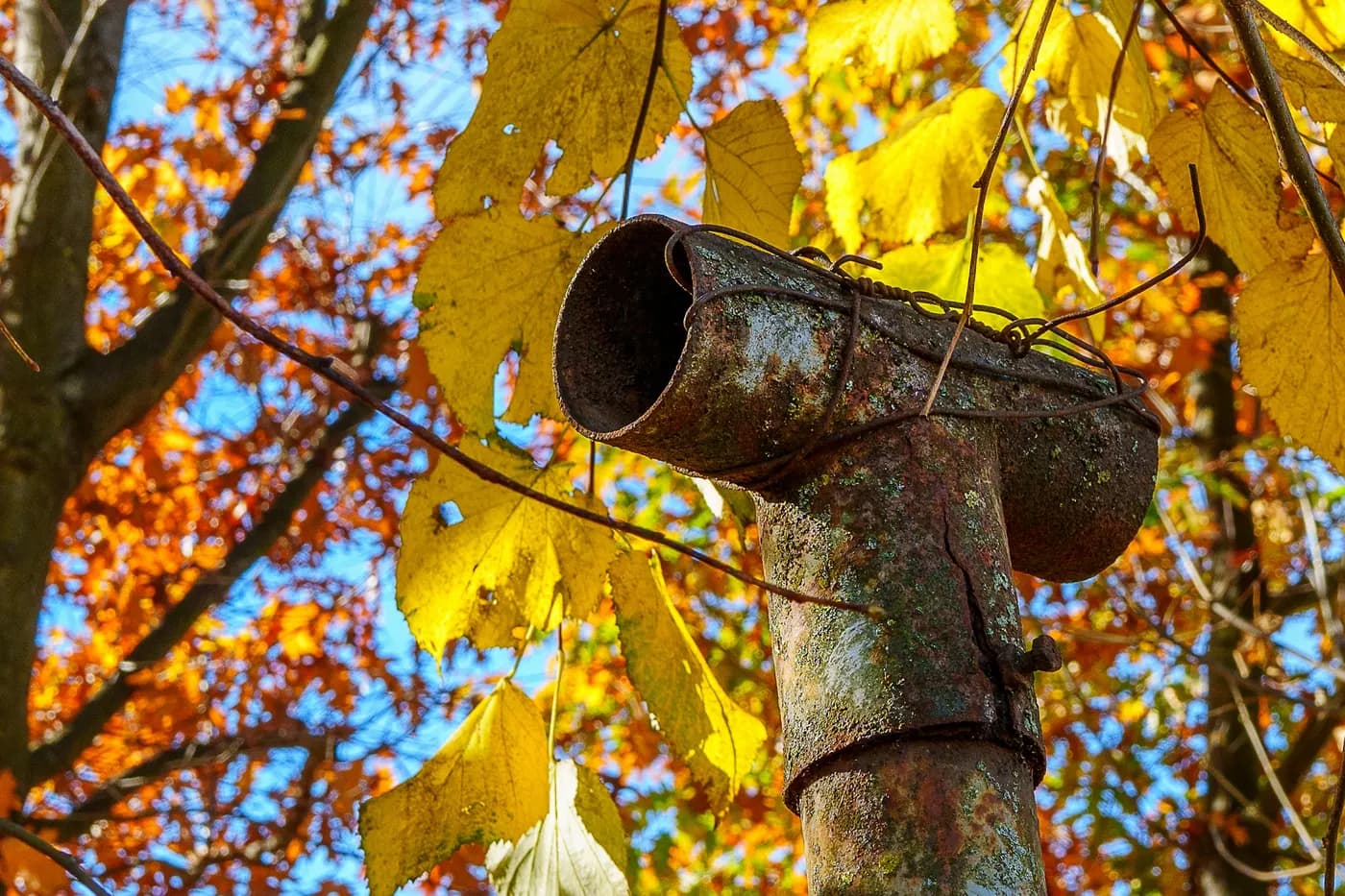
Coastal exposure · 6 min read
Salt air does not destroy roofs. It does work on certain metal parts — and knowing which ones makes maintenance simple.
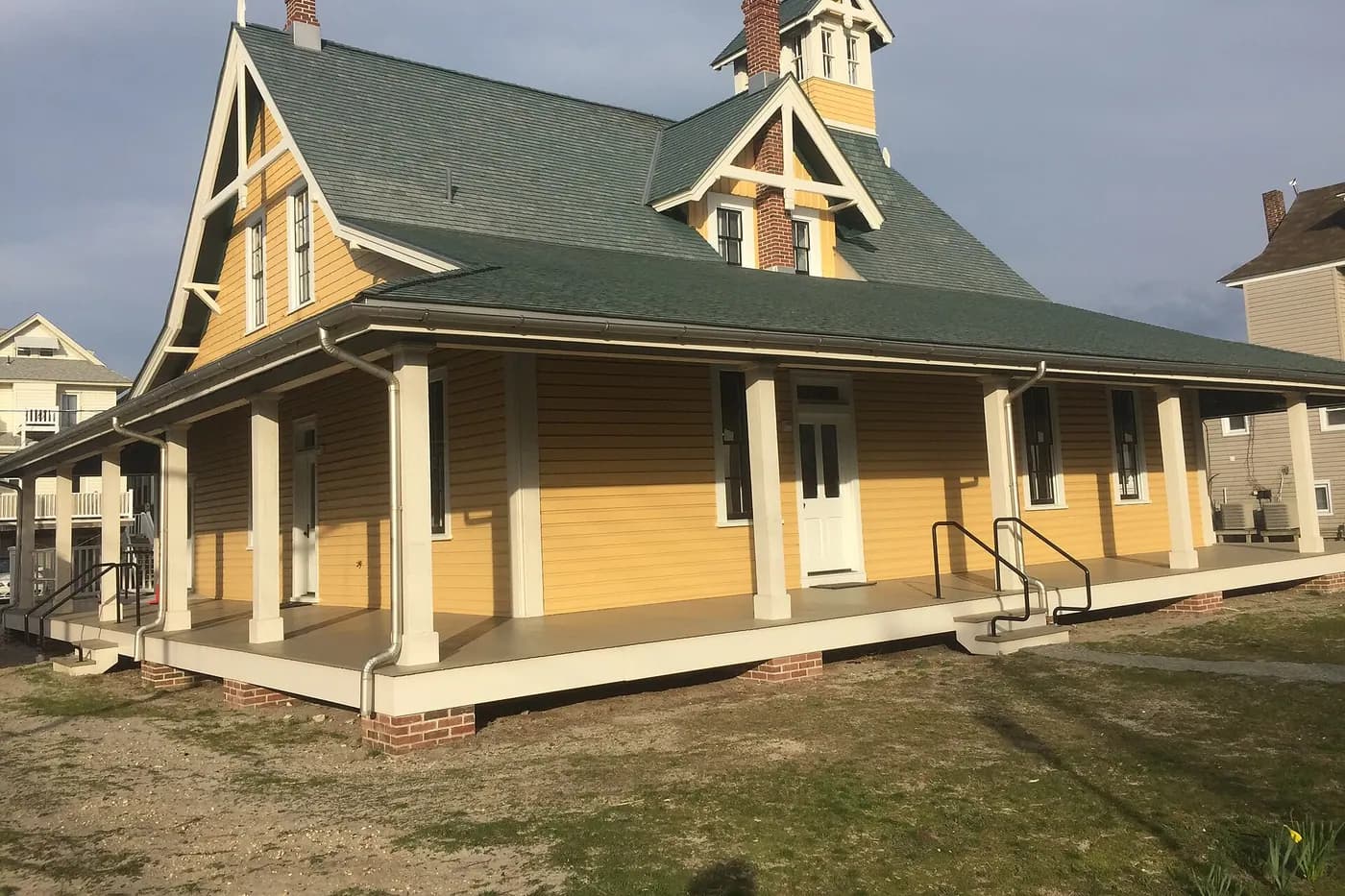
Older homes · 6 min read
A decision guide for owners of older shore houses: what points to repair, what points to replacement, and how rental timing fits in.
Low-slope roofs · 6 min read
Why low-slope roofs hold water, how sand and debris make it worse near the beach, and which fixes actually work.
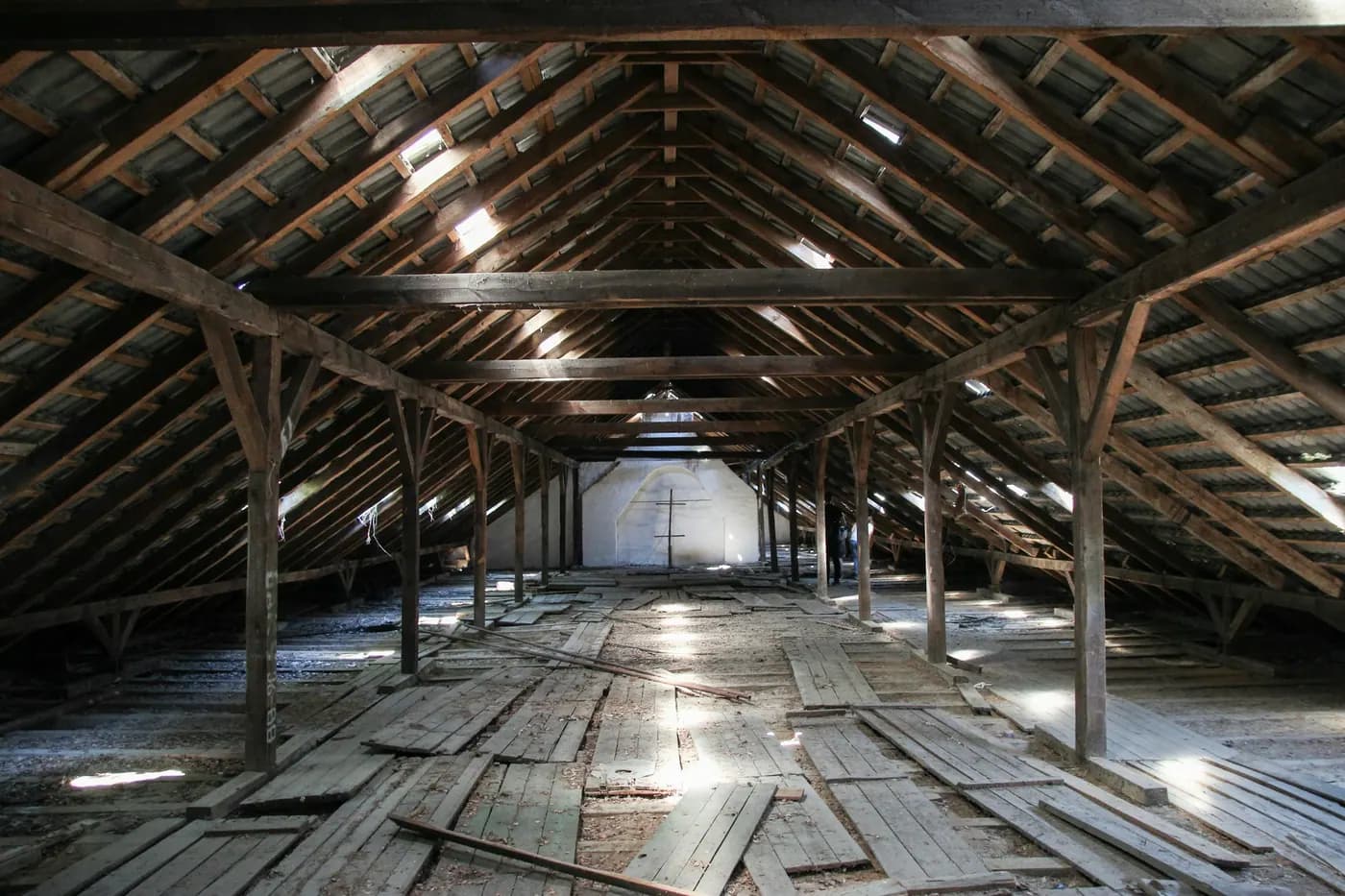
Ventilation · 5 min read
A breezy coastal climate does not ventilate an attic for you. How intake and exhaust work, and the signs a roof space is trapping moisture.
15Questions
All sixteen municipalities: the barrier-island towns from Ocean City to Wildwood Crest, West Wildwood, Cape May City, West Cape May and Cape May Point, and the mainland — Upper, Dennis, Middle and Lower Townships and Woodbine.
No. The municipality pages on this site describe areas we serve, not branch offices. Call or use the form and we will arrange a visit to the property.
Please call instead — (914) 906-5748. The phone is faster for active leaks and storm openings.
Yes. Inspections and post-storm checks can be arranged while you are away, with photographs and findings sent to you. We will need to know who can provide access if the attic or interior must be seen.
Yes. Recommendations are based on what the inspection finds. If a repair is the sensible answer, that is what you will hear.
No one honestly can. Coverage is decided by your insurer under your policy. We can document the roof's condition and the repair scope for you to share with them.
No. Submitting a request lets us contact you about that request only. It is not consent to marketing texts, emails, automated calls or advertising.
Roof evaluation request
Tell us what is happening with the roof and where the property is. We reply about this request only.
Call about a leak, storm damage or a roof you are unsure about — anywhere in Cape May County.