Ventilation
Why Attic Ventilation Still Matters Near the Coast
A breezy coastal climate does not ventilate an attic for you. How intake and exhaust work, and the signs a roof space is trapping moisture.
· 5 min read · Cape May Roofing Experts
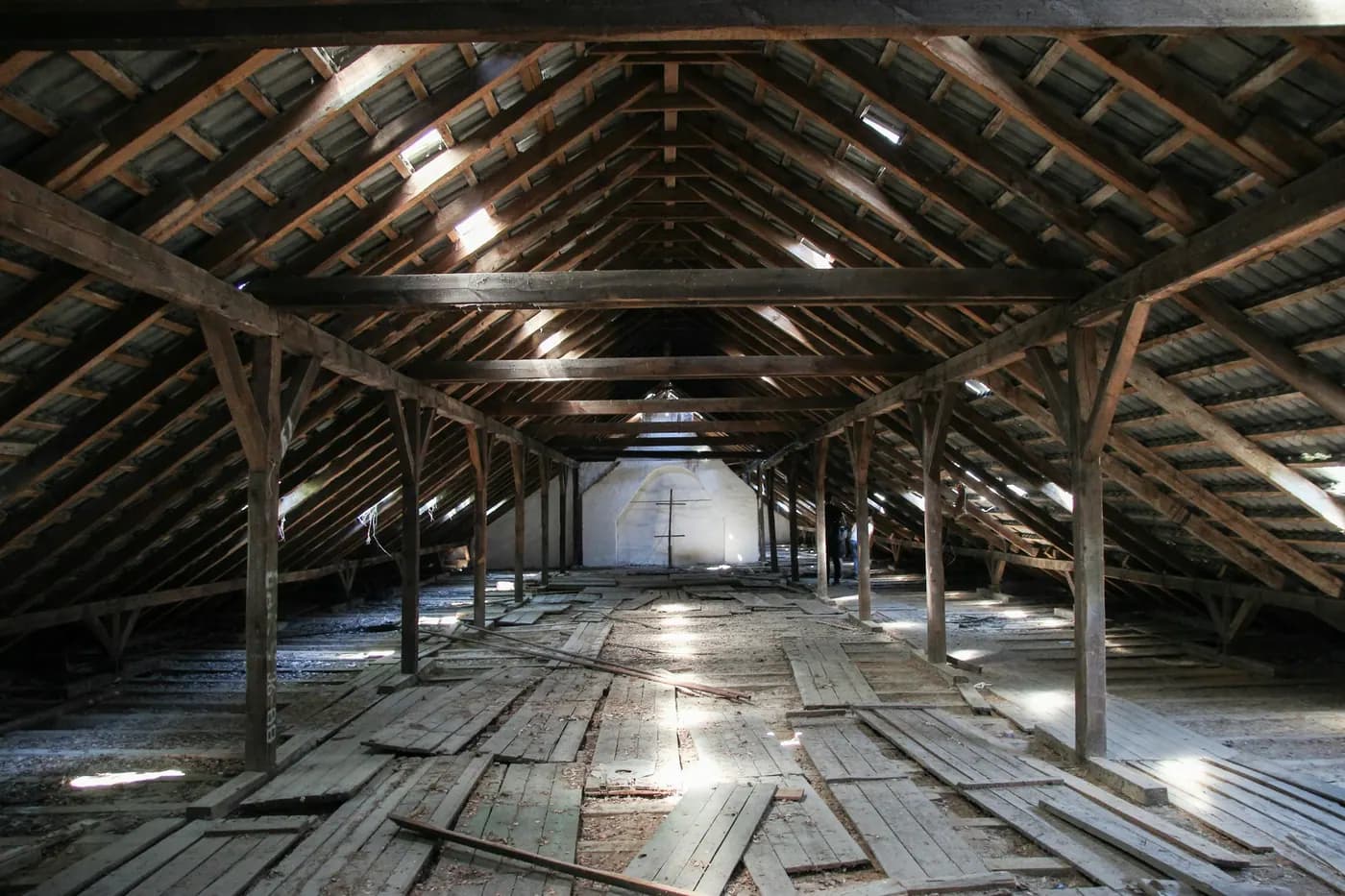
Photo: Sebastian Herrmann / Unsplash (Unsplash License). Credits
It is easy to assume that a house near the ocean, with a sea breeze most summer afternoons, has plenty of air moving through the attic. It usually does not. Attic ventilation depends on openings designed to let air in low and out high — not on the weather outside.
What ventilation does
In summer, it lets heat escape from the roof space. In winter, it carries away moisture that rises from the living space, so it does not condense on the cold underside of the roof deck. The Cape May County climate — humid summers, cold spells and nor'easters in winter — asks for both.
Intake and exhaust
Air should enter low, usually through soffit vents at the eaves, and leave high, through ridge or roof vents. Balance matters: exhaust without intake can pull conditioned air from the house; blocked soffits make ridge vents far less effective.
Signs of a ventilation problem
- Frost or damp on the underside of the roof deck in winter
- Dark staining or mould on attic sheathing
- Rusty nail tips poking through the deck
- Very hot upper rooms in summer
- Insulation stuffed into soffit areas, blocking intake
Coastal specifics
Some vents admit wind-driven rain in storms; vent selection near the shore should consider exposure. On older houses without soffits, adding intake takes more thought — it is best planned during a re-roof.
The bottom line
Sea breezes do not ventilate an attic; balanced soffit intake and high exhaust do. Plan improvements alongside a replacement.