Older homes
What to Know Before Replacing a Roof on an Older Cape May County Home
Older houses hide surprises under the shingles. What to expect, what to ask, and what to settle before tear-off day.
· 7 min read · Cape May Roofing Experts
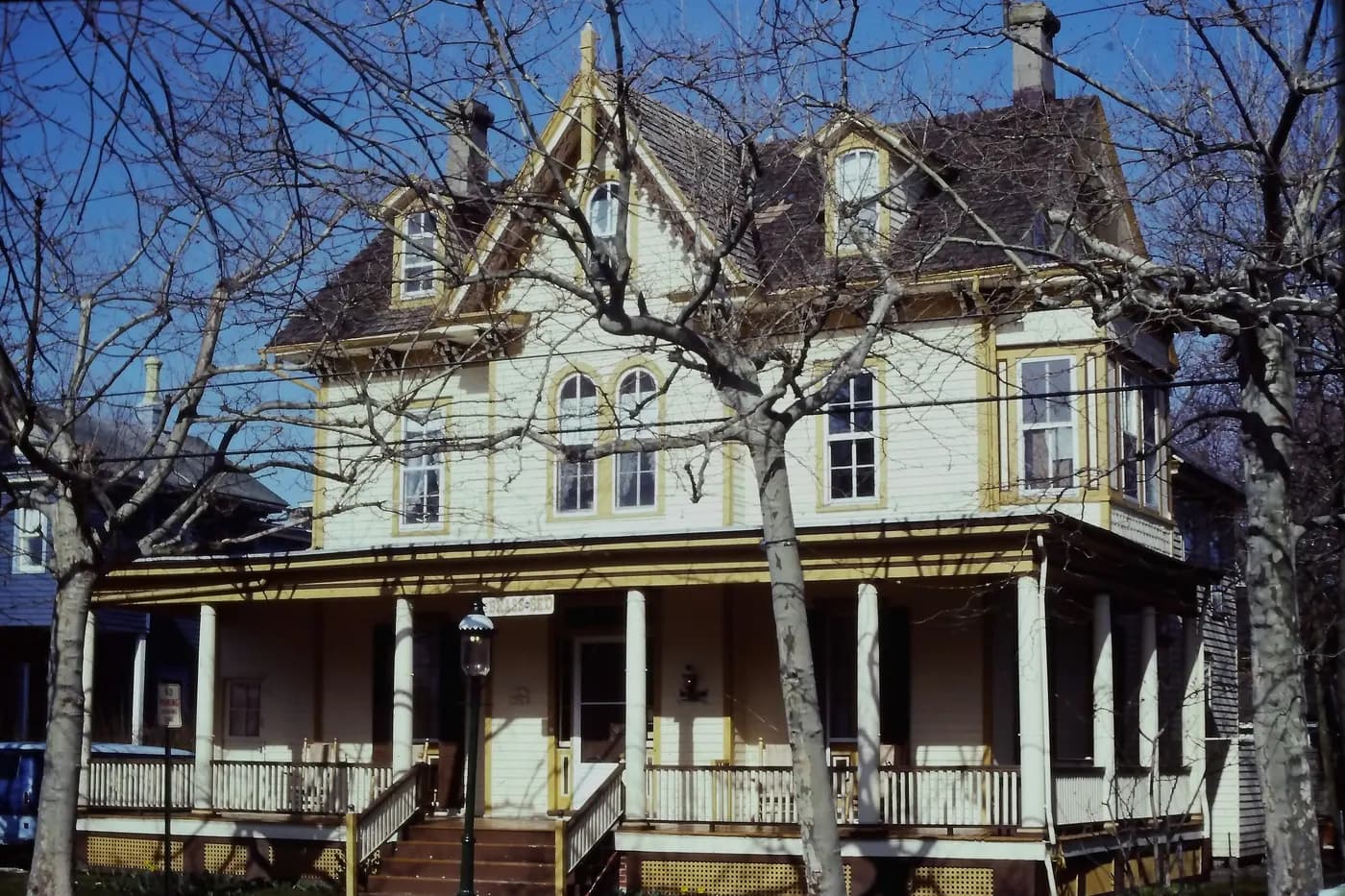
Photo: Bmzuckerman / Wikimedia Commons (CC BY 4.0). Credits
Cape May County has a deep stock of older houses — Victorian cottages in Cape May City, farmhouses in West Cape May and Dennis Township, early houses in Cape May Court House and Woodbine. Replacing the roof on one of them is different from re-roofing a newer house, mostly because of what is found once the old roofing comes off.
Expect the unexpected under the shingles
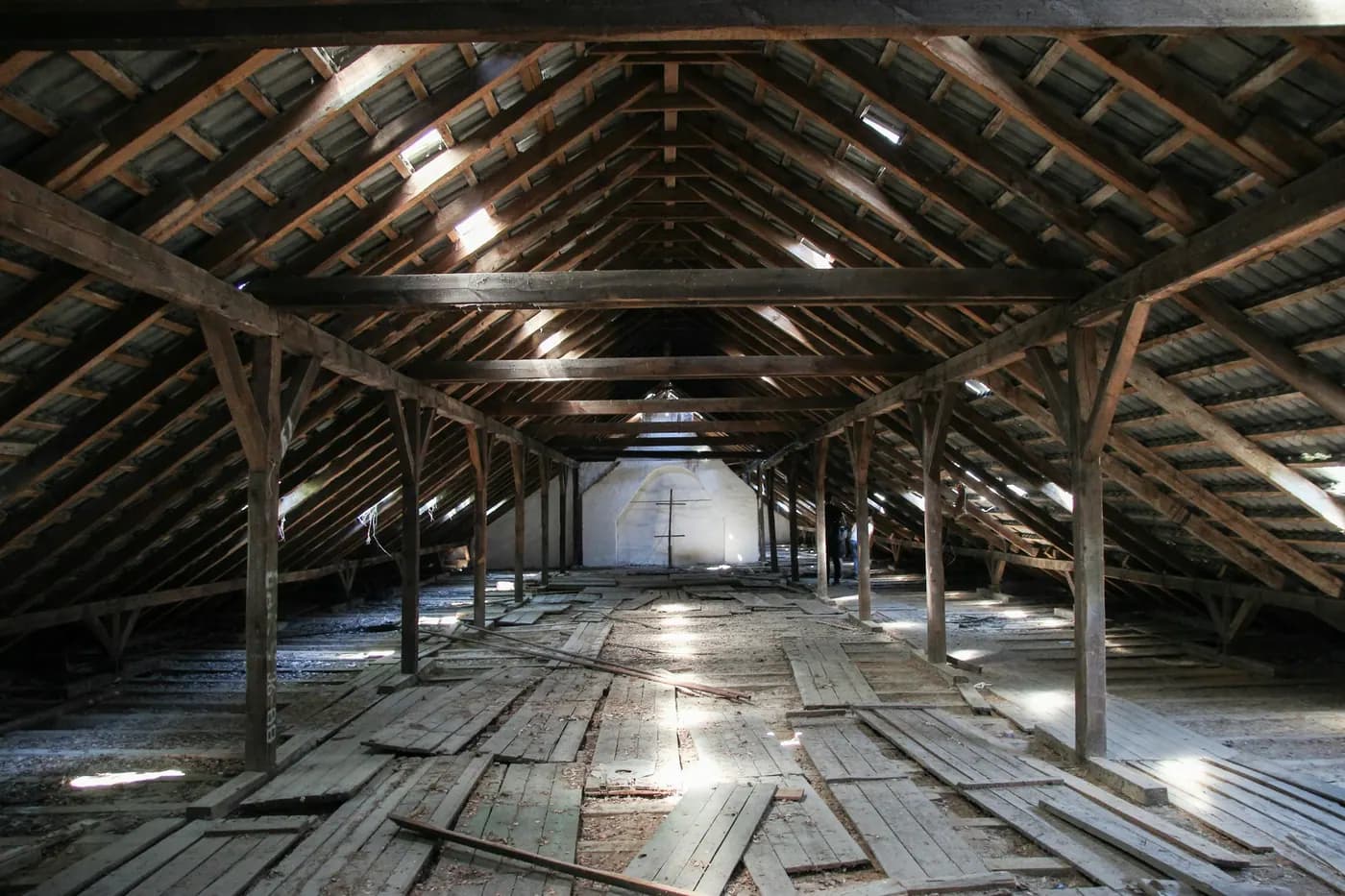
- More layers than expected, sometimes including older materials underneath
- Board sheathing with gaps, rather than plywood
- Soft or rotted areas at eaves, valleys and around chimneys
- Flashing reused from previous jobs, or none at all
- Framing that has sagged or been altered
Ventilation
Many older houses had little attic ventilation, and insulation added later can reduce airflow. A replacement is the moment to add balanced intake and exhaust where the house allows.
Complex details
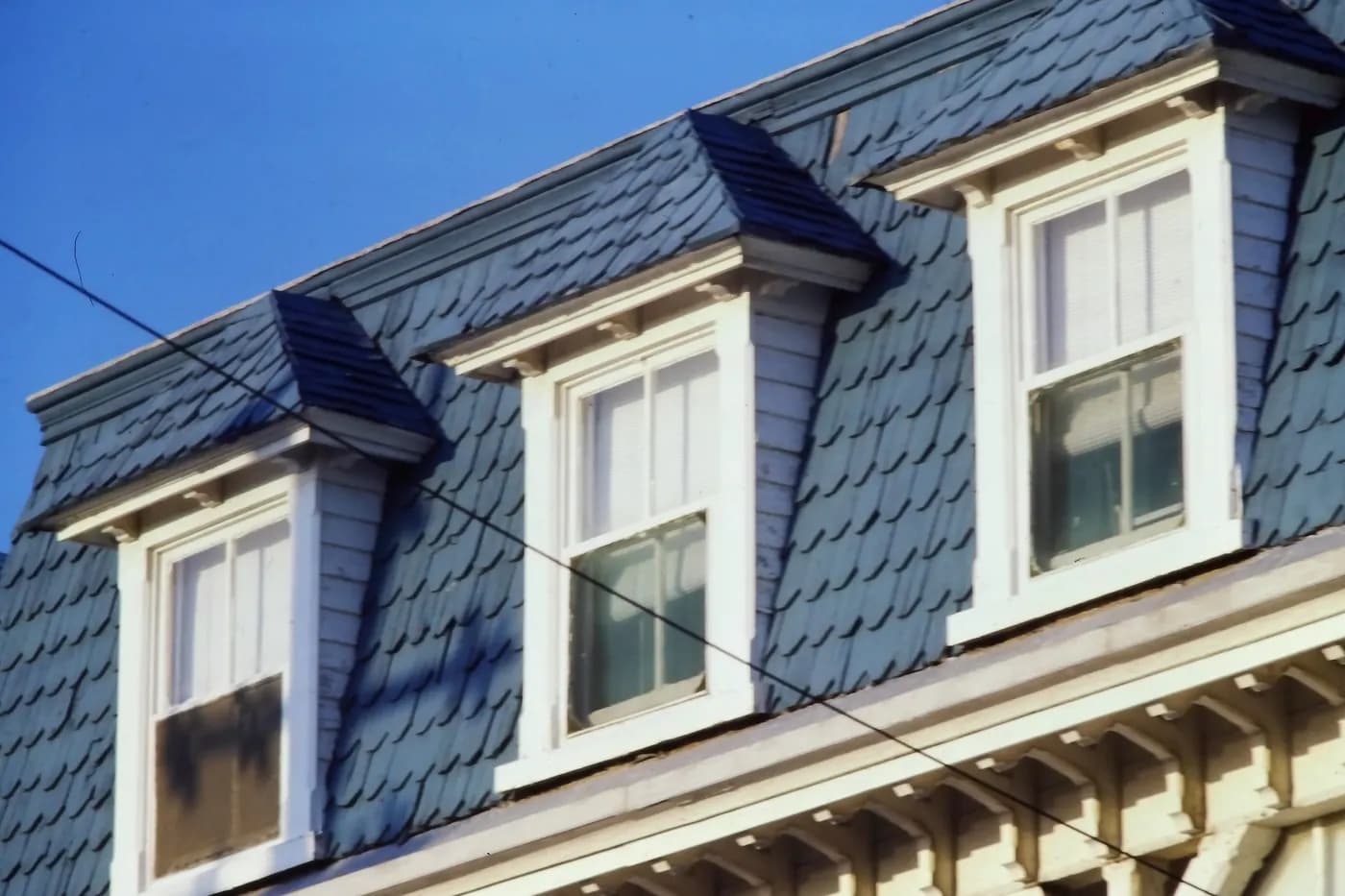
Dormers, towers, porches, box gutters and multiple chimneys all need their own flashing plan. A proposal that just says "replace roof" is not enough on these houses.
Historic districts and review
If the house is in a designated historic district — the whole City of Cape May is one — confirm with the municipality whether material, colour or profile changes need review before you choose. A roofer can describe practical trade-offs; compliance questions belong with the municipality.
Reading the proposal
- Roofing system and products named.
- Tear-off to deck confirmed.
- Deck repair handling and pricing described.
- Flashing replacement listed by location.
- Ventilation plan stated.
- Protection of porches, trim and landscaping described.
- Permits and schedule addressed; warranty terms in writing.
The bottom line
On an older house, plan for what the tear-off will reveal: agree how deck repairs are handled, insist on new flashing and ventilation, and check historic-district rules first.