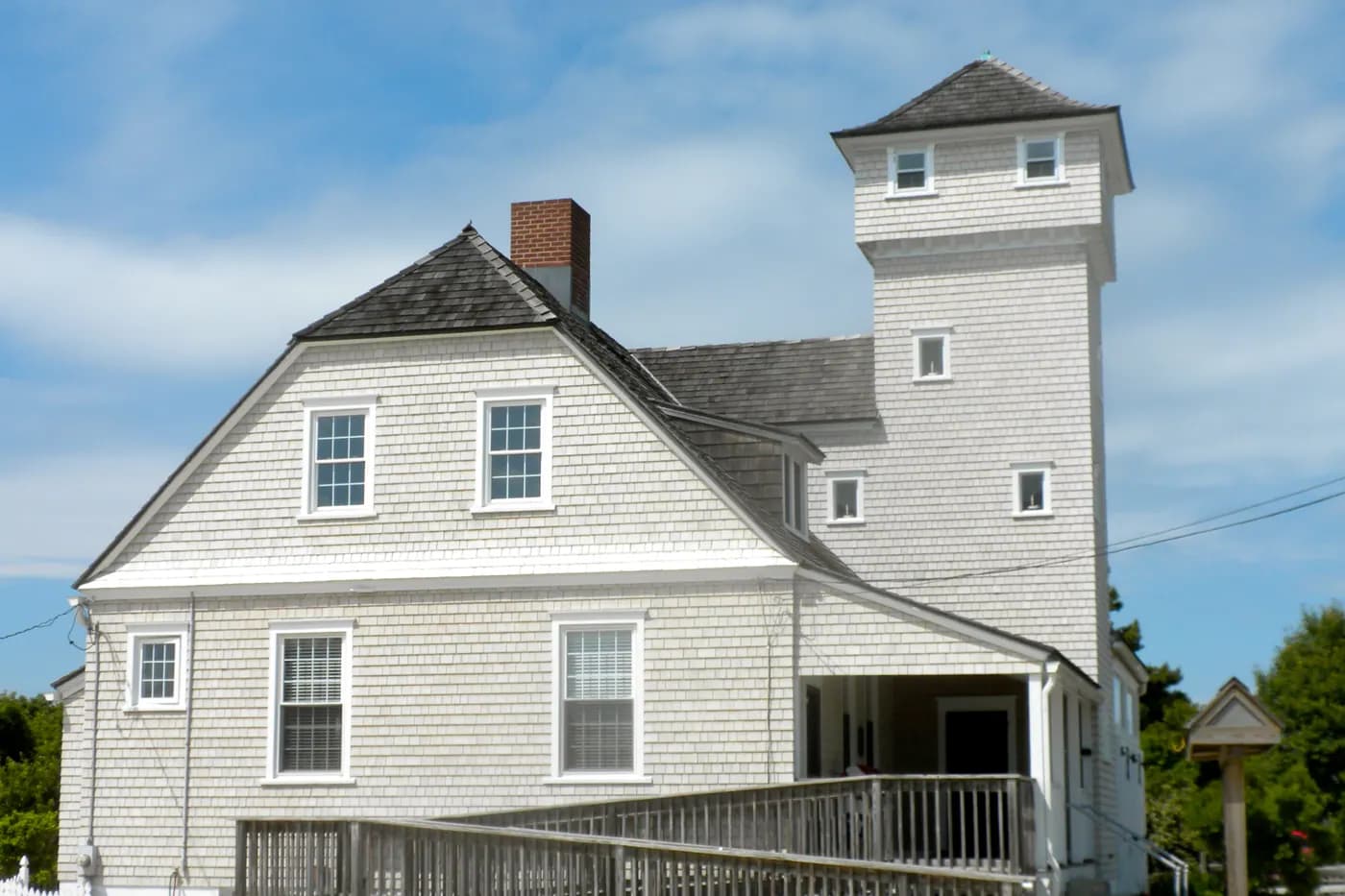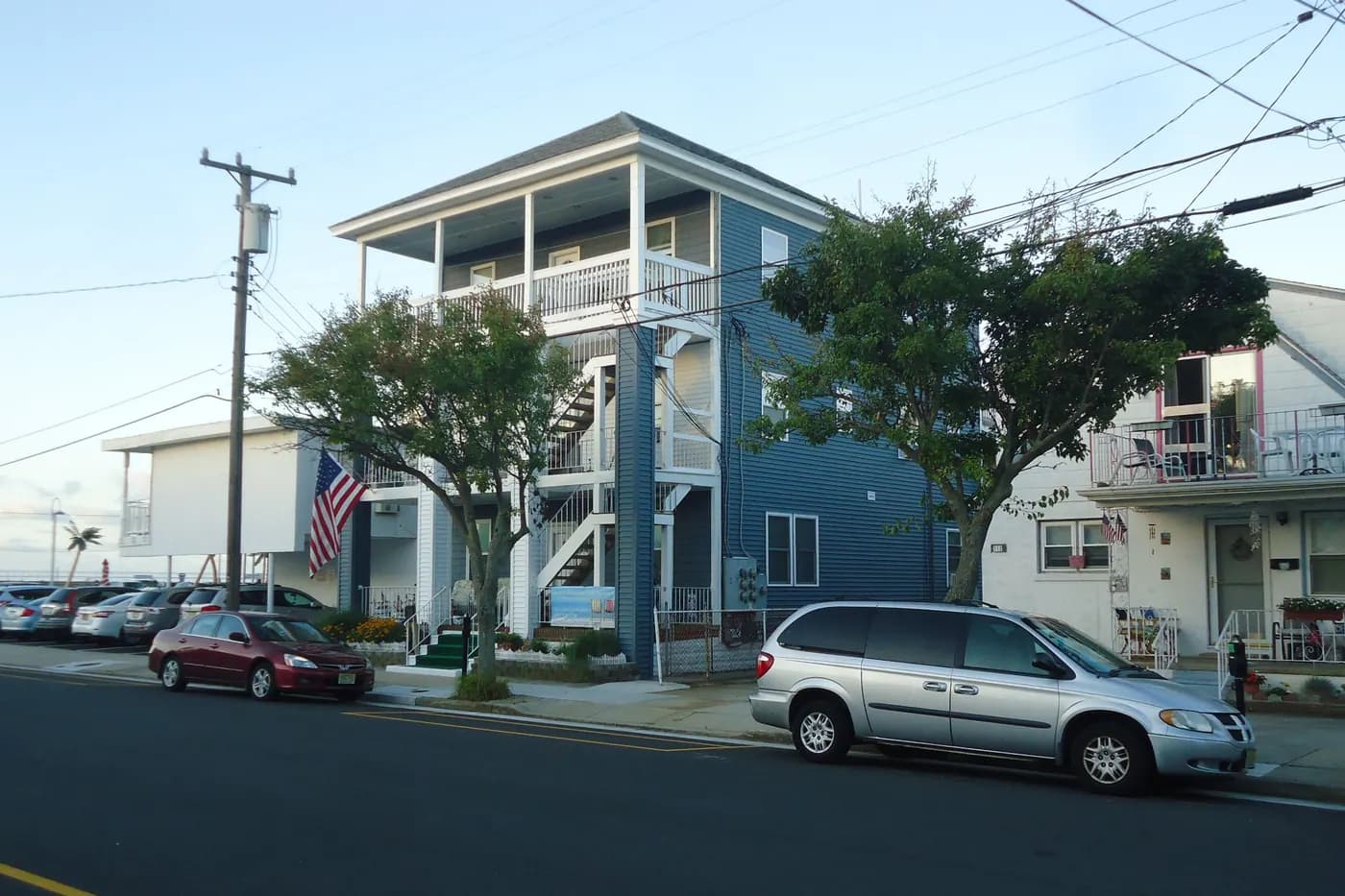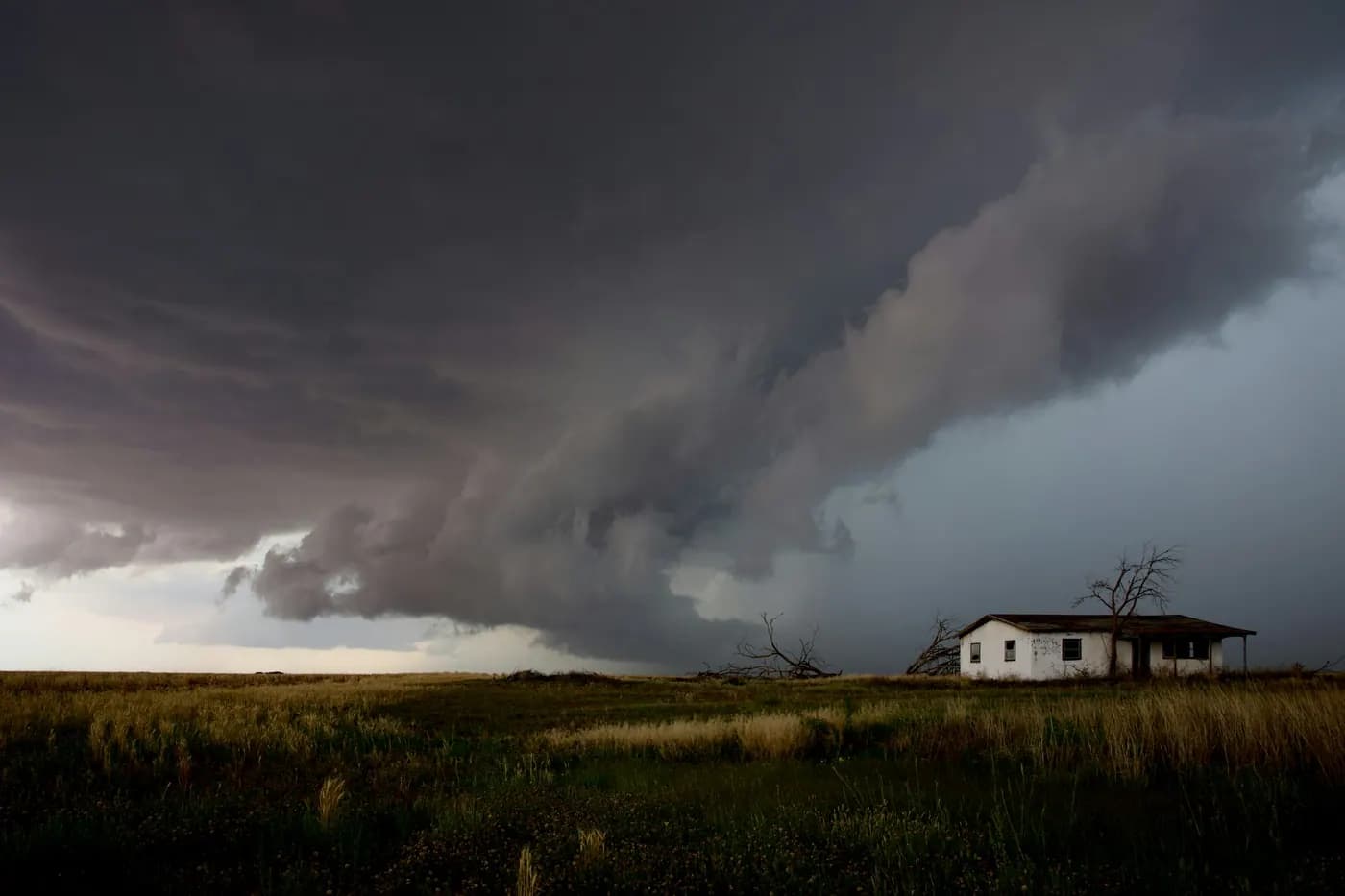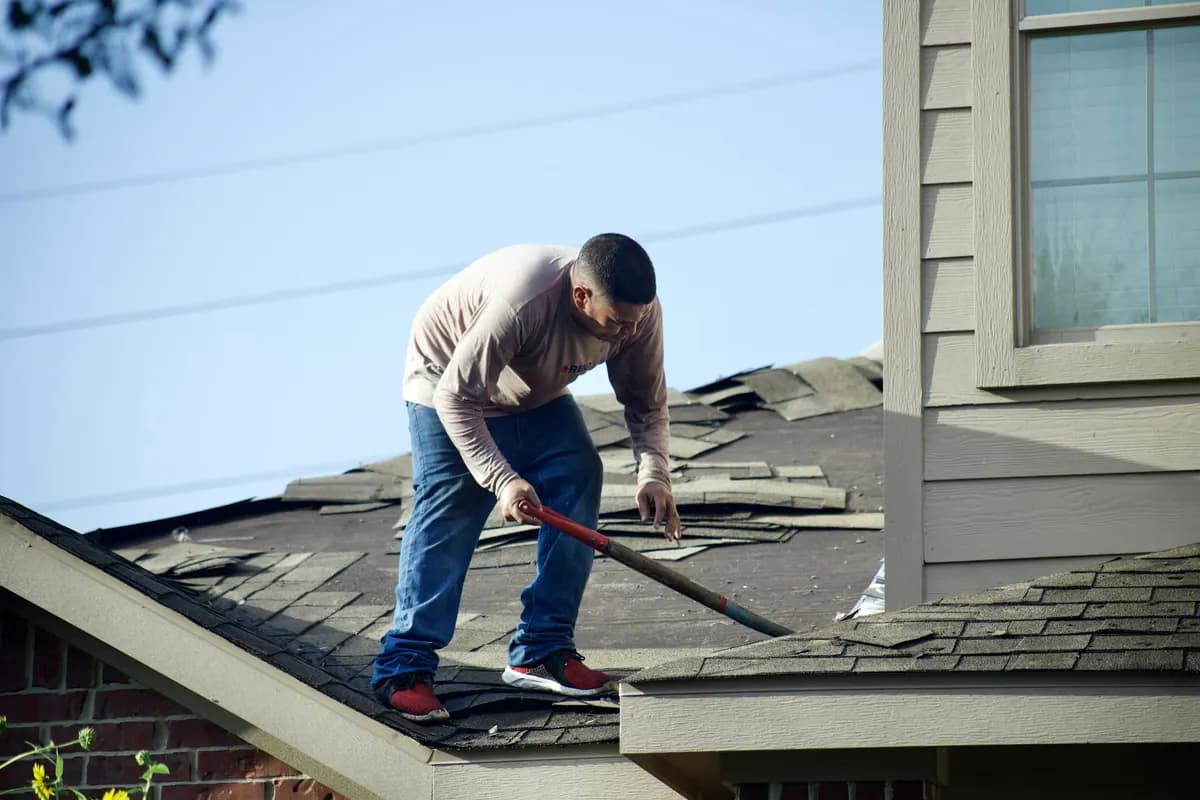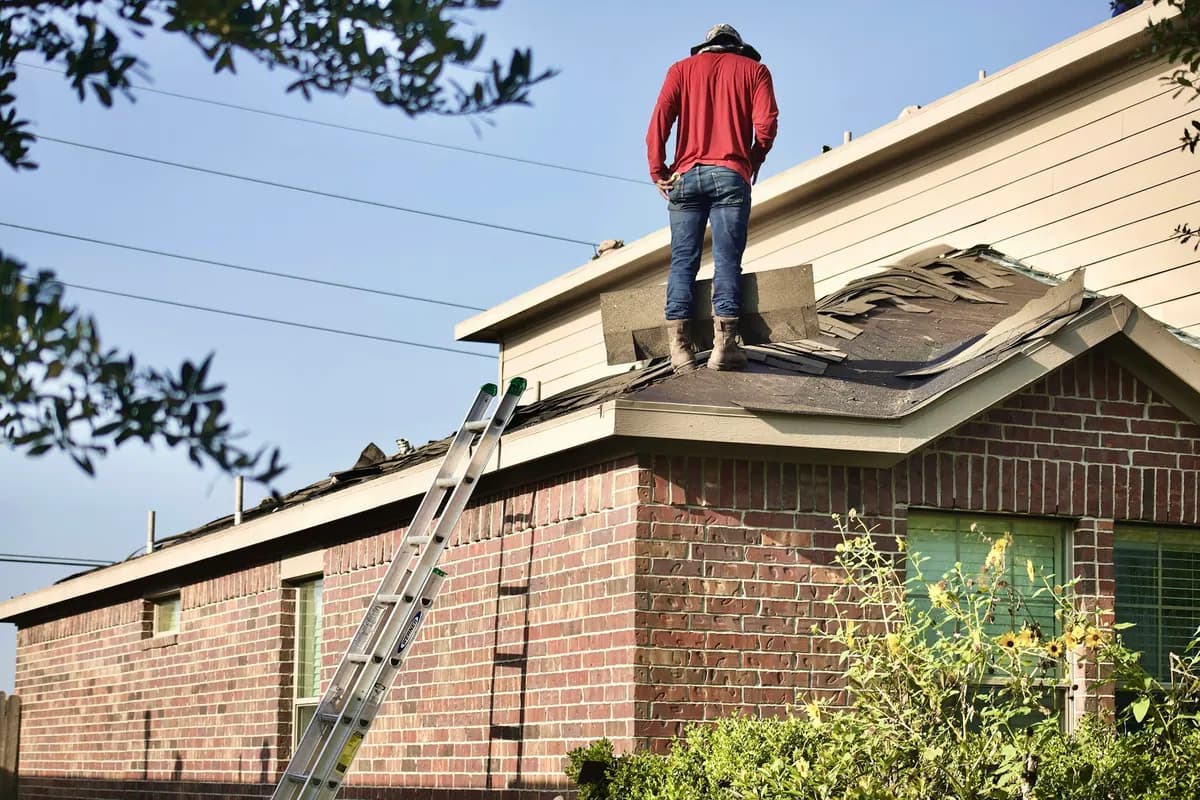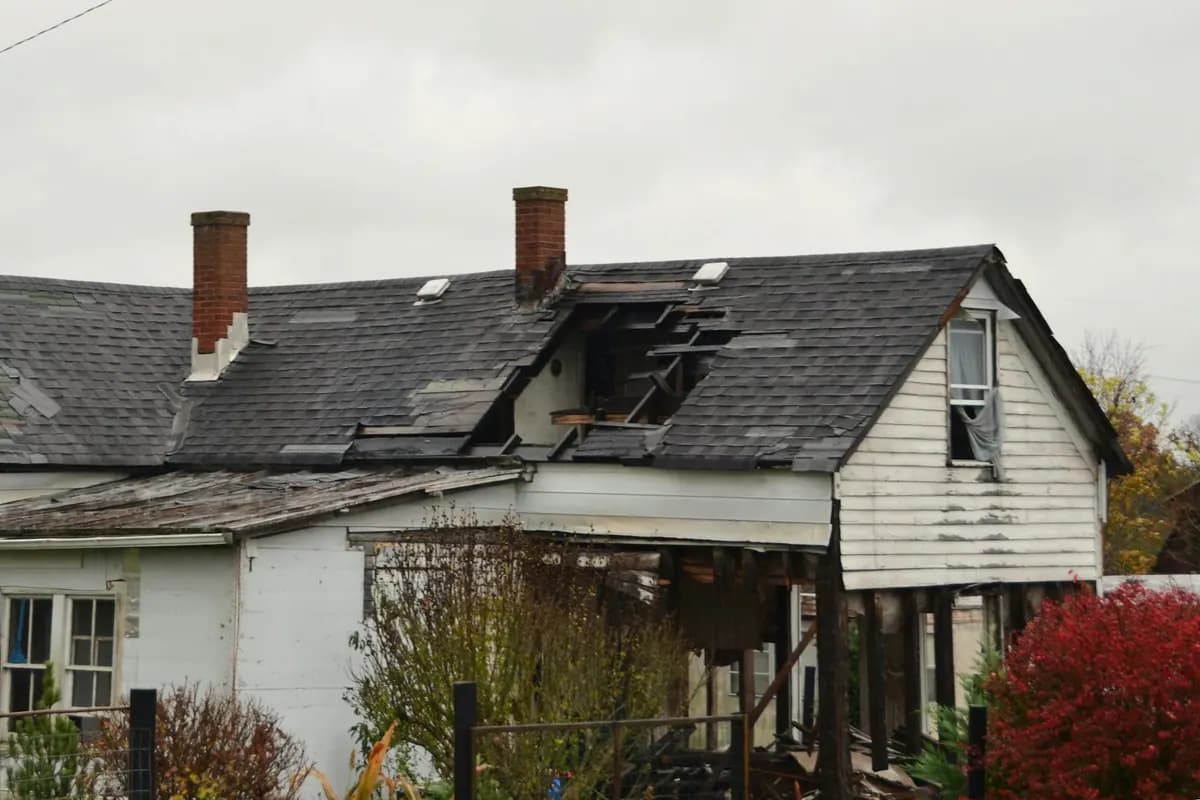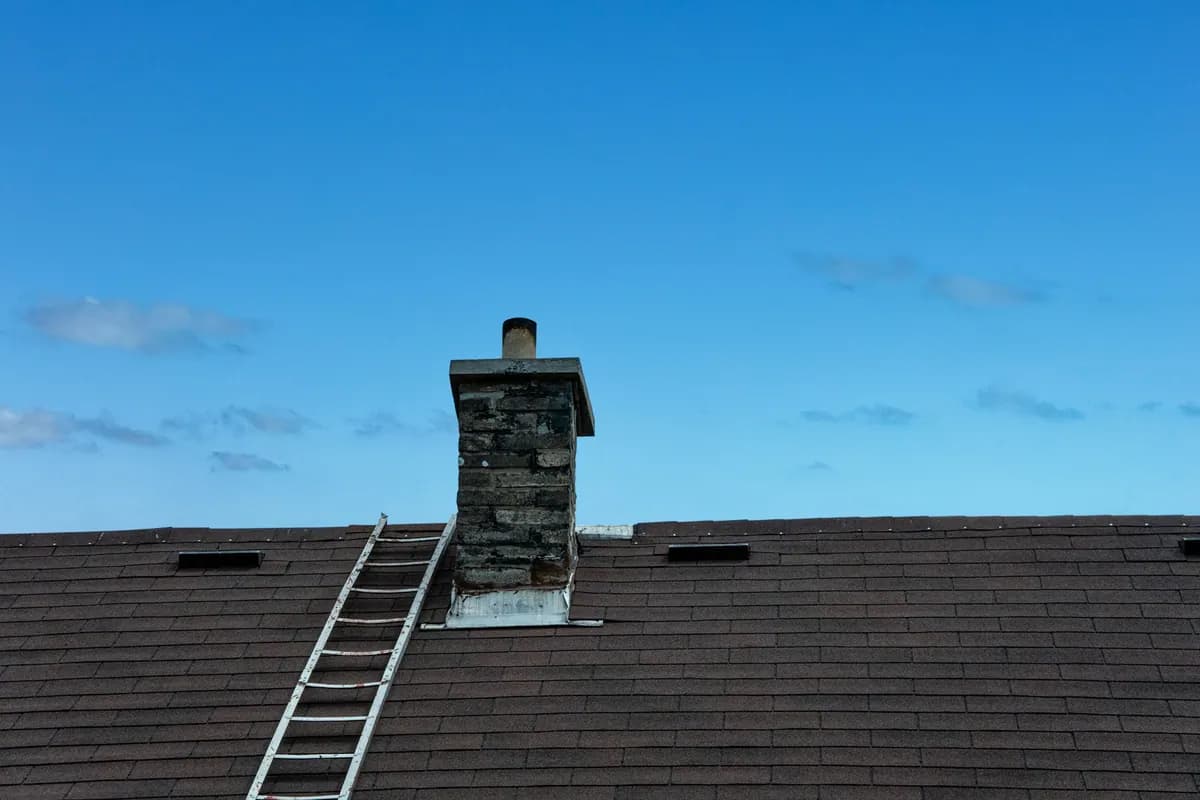
In a county with so many homes that sit empty for part of the year, an inspection is also a practical routine: before renters or family arrive for the season, and after big storms when nobody was there to see what happened.
Good reasons to book an inspection
- You are buying or selling a house
- A major storm passed while the property was empty
- The summer season is coming and the house will be occupied or rented
- There is a stain, but no obvious leak
- The roof is getting older and you want to plan ahead
- You are not sure what the problem is
What an inspection covers
An inspection looks at the roof as a system rather than as a surface.
- Roof covering
- Shingle, membrane or metal condition; wear, damage, lifted or missing pieces.
- Flashing and penetrations
- Chimneys, walls, valleys, skylights, vents and pipe boots.
- Edges and ridges
- Drip edge, rakes and ridge caps — the parts wind tests first.
- Gutters and drainage
- Whether water leaves the roof edge and the downspouts discharge away from the house.
- Attic
- Where accessible: signs of leaks, daylight at penetrations, ventilation, insulation and moisture.
- Exterior metal
- Fasteners, flashing and gutters checked for corrosion, particularly near the water.
Inspections for different situations
A pre-purchase inspection focuses on condition and remaining serviceability. A post-storm inspection focuses on edges, ridges, seals and any impact. A pre-season inspection for a seasonal home combines a condition check with the small maintenance tasks that prevent summer leaks: clearing gutters, checking pipe boots and flashing, and looking for anything loosened over the winter.
What you receive
Findings in plain language, with photographs where they help: what is sound, what needs attention, how urgent it is, and what the options are. If nothing needs doing, that is a perfectly good result.
An inspection is not a promise that a roof will not leak, and it cannot see inside closed walls or under intact roofing. It is an informed look at what is visible and accessible.
Cape May County
A routine that suits shore and seasonal homes
For owners who are not at the property year-round, a spring inspection before the season and a check after any major autumn or winter storm cover most of the risk. On the mainland, where trees overhang many roofs, adding a late-autumn check after leaf fall keeps valleys and gutters clear before winter.
Questions about roof inspection
How long does a roof inspection take?
It depends on the roof's size, complexity and access, and on whether the attic is included. Most residential inspections are measured in an hour or two rather than days.
Do I need to be home?
Not always. The roof exterior can often be inspected without you there; attic access requires someone to let us in. Findings can be sent to you afterwards.
Will an inspection tell me how many years my roof has left?
It can give an informed view of condition and whether the roof is early, middle or late in its service life. A precise number of years is not something anyone can honestly guarantee.
Can you inspect a roof I am thinking of buying?
Yes, with the seller's permission for access. A roofing inspection complements, but does not replace, a general home inspection.