Please call rather than fill in the form if water is coming in now. The phone is faster, and it lets us ask the questions that decide what happens next: where the water is, whether anyone is at the property, and what the weather is doing.
Situations that are urgent
- Water dripping or running through a ceiling or light fixture
- A ceiling bulging with trapped water
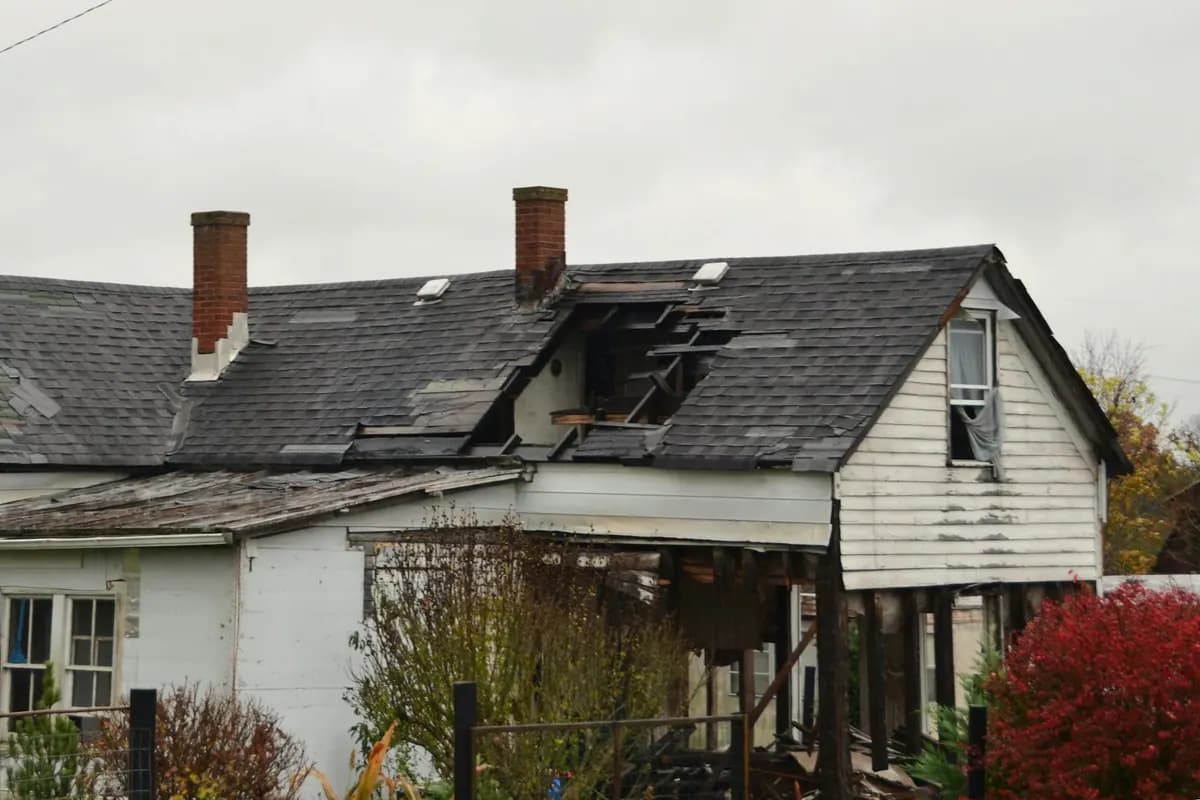
- Shingles, underlayment or sheathing torn away, leaving the deck or attic open
- A tree limb through or resting on the roof
- A leak discovered by a tenant, neighbour or property manager while you are away
Before help arrives
What you can safely do from inside the house makes a real difference to how much damage there is later.
- Keep everyone out from under a sagging ceiling. If water is near light fixtures or outlets, turn off power to that area at the panel if you can do so safely.
- Move furniture, electronics and rugs away from the leak; put down containers and towels.
- Photograph the damage inside and, from the ground, outside. Those photographs help with any insurance conversation later.
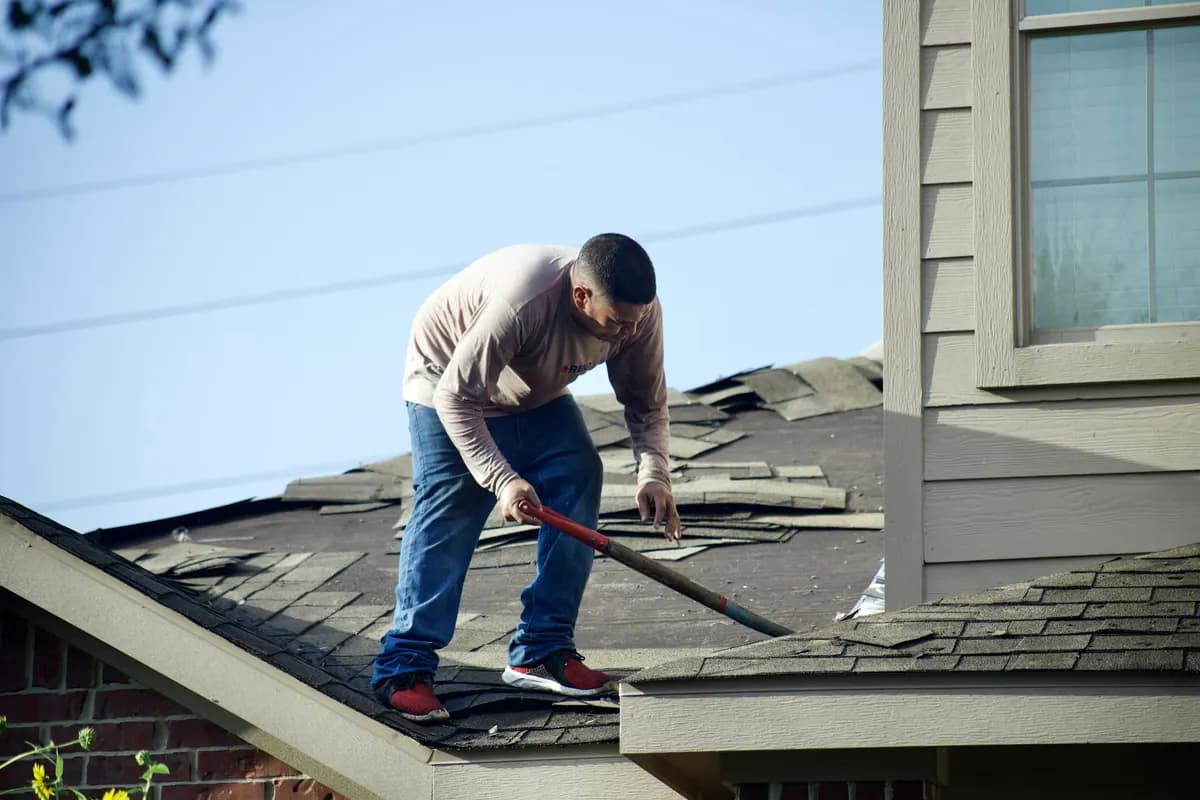
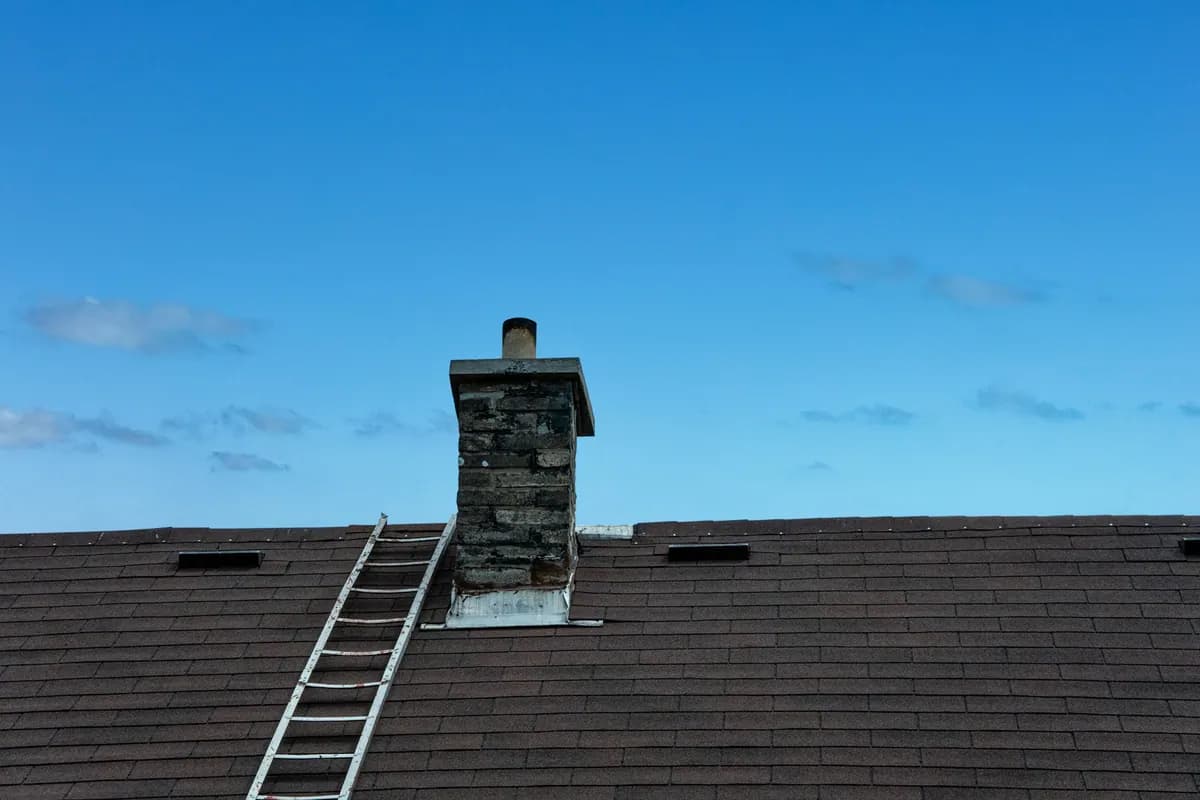
- Do not go onto the roof. Wet, damaged or storm-loosened roofing is dangerous, and a fall is far worse than a leak.
- Keep receipts for anything you buy or pay for to limit damage.
What temporary protection means
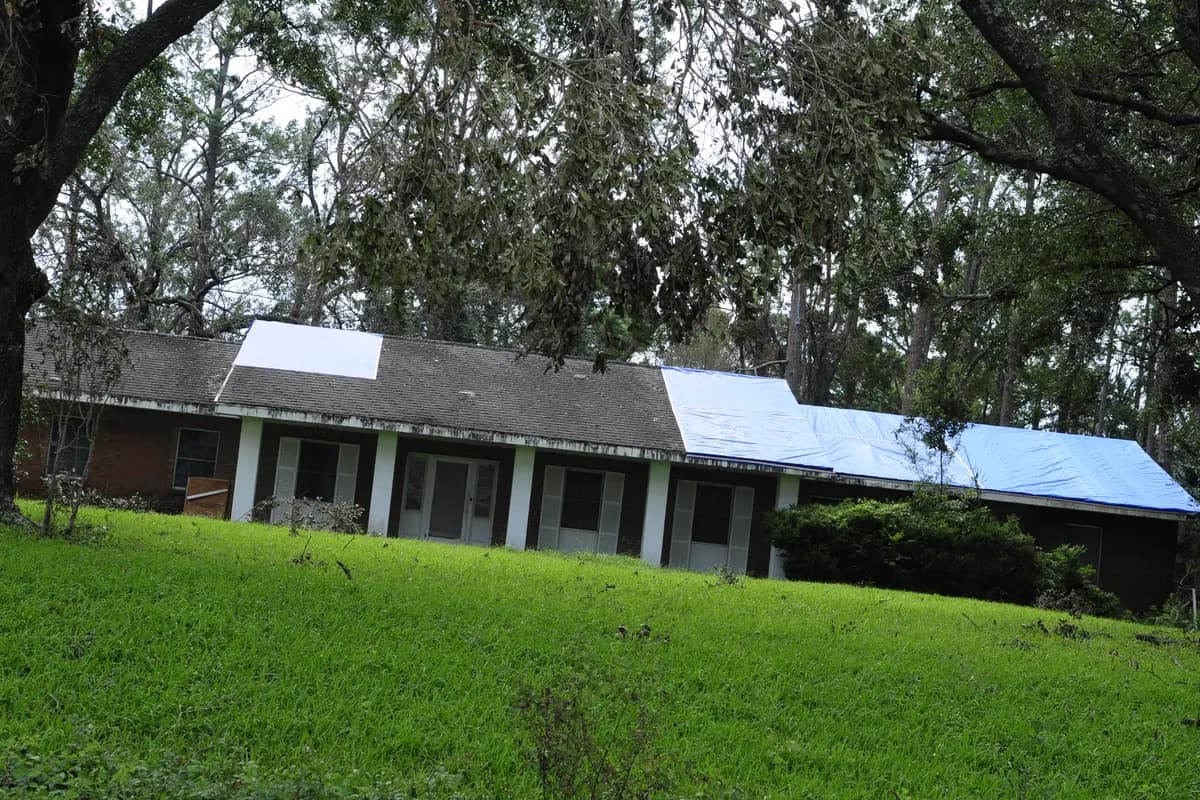
Temporary protection is exactly that: a measure to keep water out until the roof can be repaired properly. Depending on what happened, it might be a tarp secured over an opening, a section of loose roofing re-fastened, displaced flashing pressed back and sealed, or a membrane applied over an exposed area.
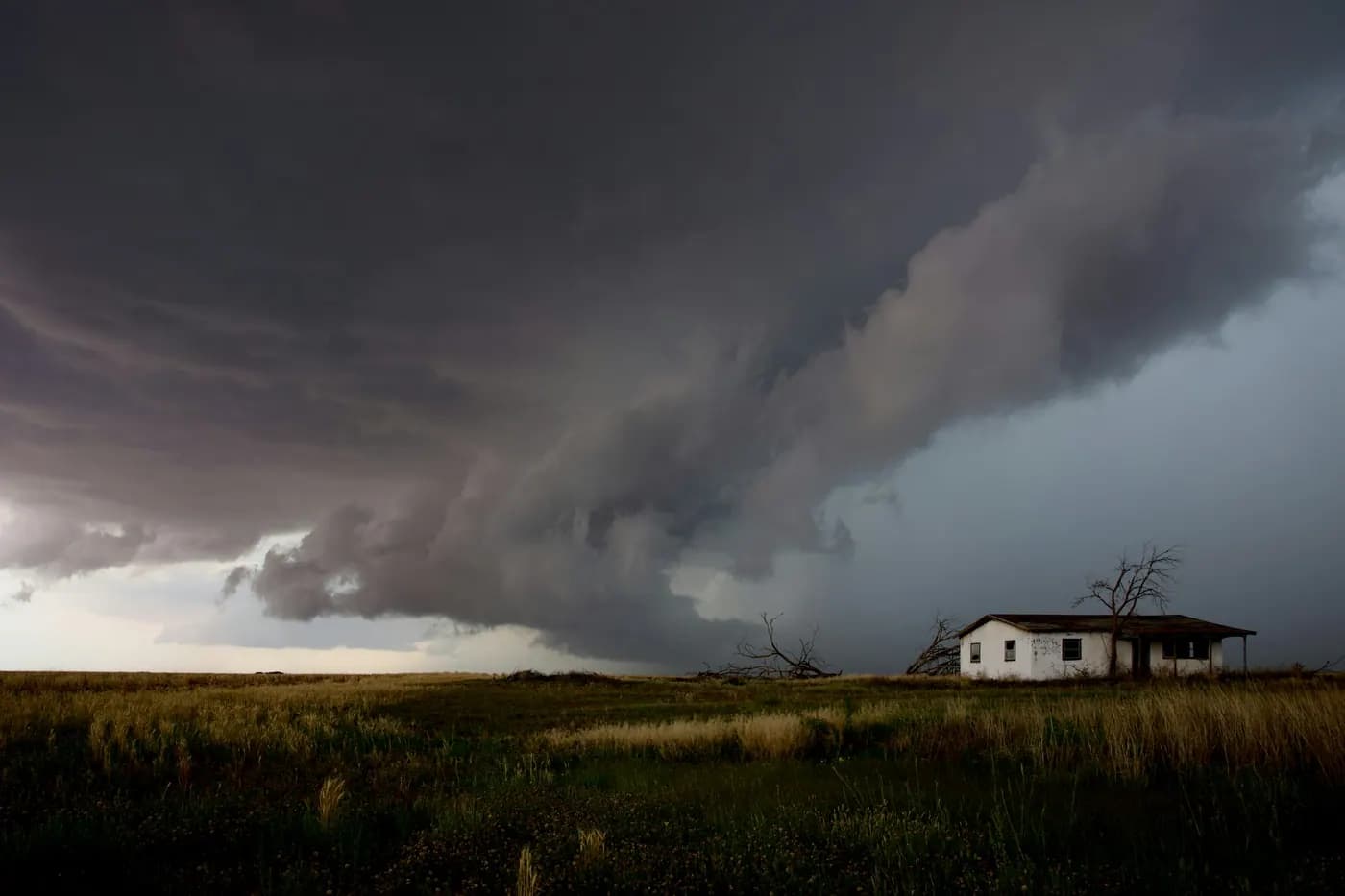
It is done when it is safe to be on the roof. During high winds or lightning, no responsible roofer should be up there; in those conditions the work is limiting damage inside and being ready to go as soon as the weather allows.
A tarp is not a repair. It can shift in the next blow and it degrades in sun. Plan the permanent repair promptly.
After the emergency
Once the property is protected, the roof gets a proper look in daylight and dry conditions: what failed, what else the storm loosened, and whether the decking or interior framing took on water. From there you get a repair plan — or, if the damage is extensive, a conversation about replacement.
Cape May County
When you are not at the property
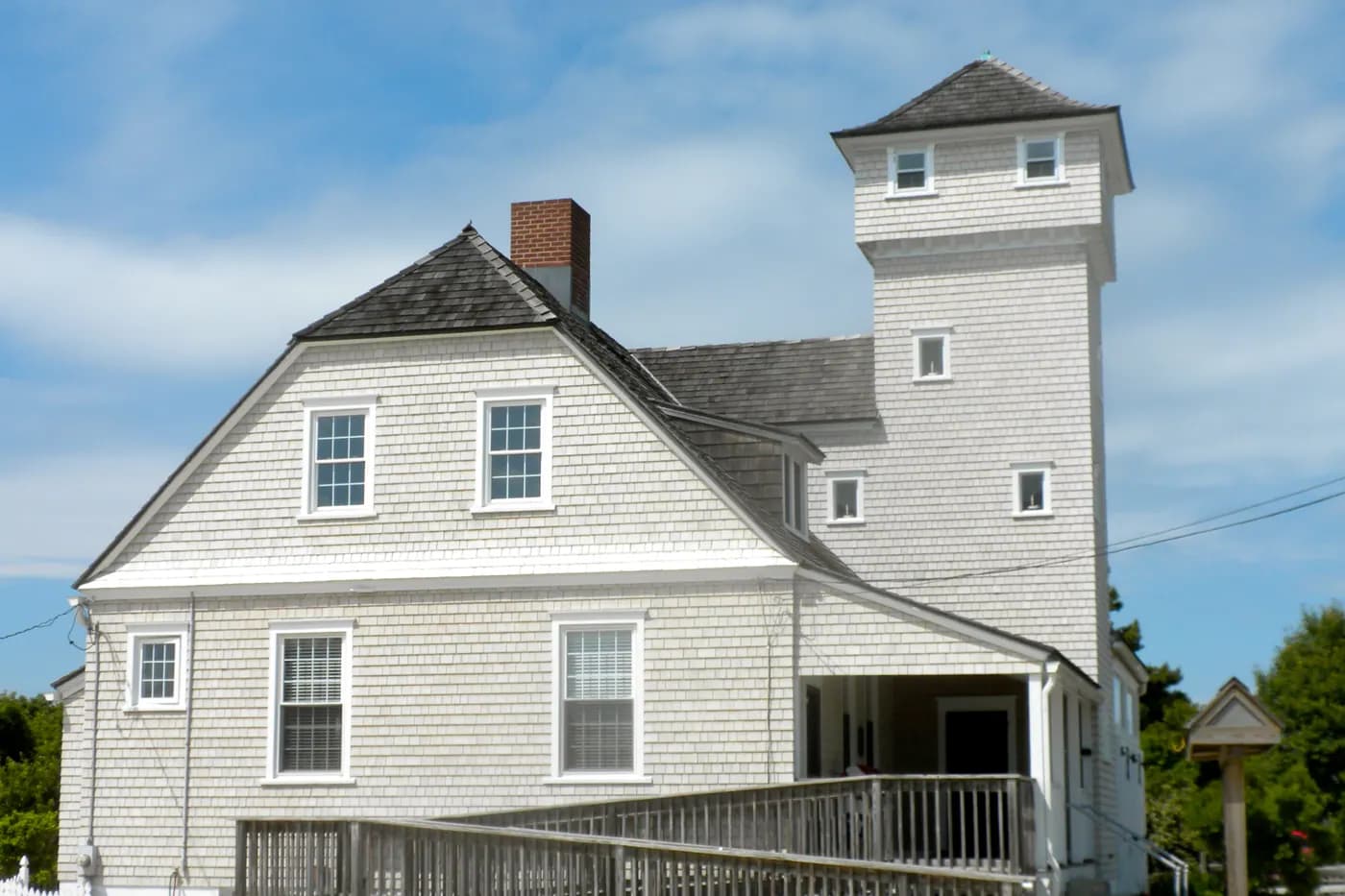
Many emergency calls in Cape May County come from owners who are hundreds of miles away when a storm comes through. It helps to have decided in advance who can let a contractor in, where keys are held, and whether a property manager can make decisions on your behalf.
If you rent the property out, tell us whether guests are in residence — it changes how access and interior protection are handled.
Questions about emergency roof repair
Can you come out during the storm?
Roof work is not safe in high wind, lightning or heavy rain. During the storm the focus is on limiting damage inside; temporary protection on the roof is done as soon as conditions allow.
Should I call my insurance company first?
Protecting the property from further damage is normally expected of an owner, so arranging temporary protection is usually sensible. Check your policy and contact your insurer as well. We can document the roof damage, but the insurer decides what is covered.
I am out of state and a neighbour says water is coming in. What do you need?
The address, how to reach whoever can provide access, and whether anyone is staying there. With that we can plan the visit and keep you updated.