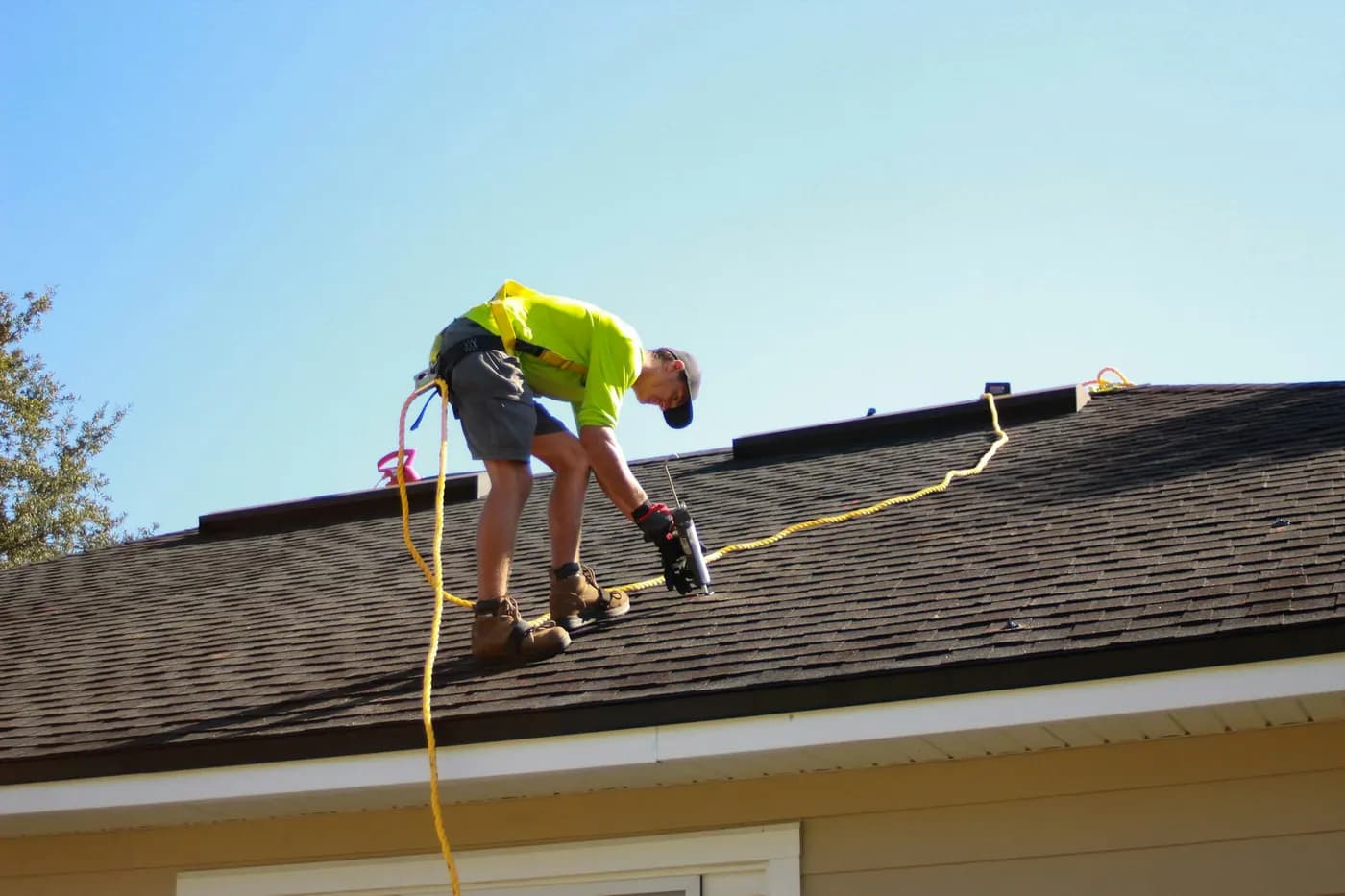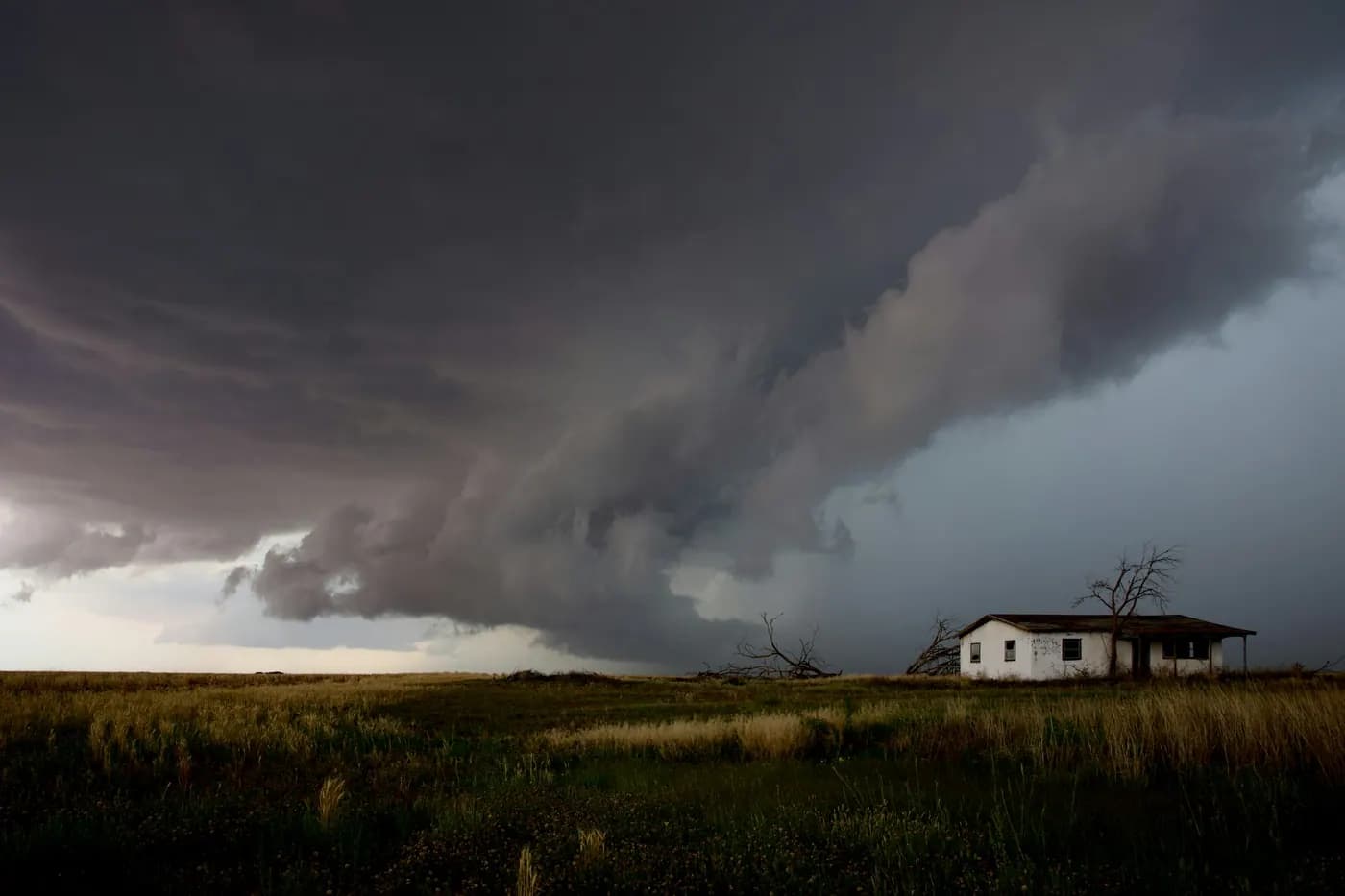
Near the coast, those details are mostly about wind: how the first course is sealed at the edge, how each shingle is nailed, and how the ridge is capped.
Shingle problems worth a closer look
- Curling or cupping at the edges of shingles
- Granules washing into gutters and downspouts
- Creased tabs — often a sign of past wind lifting
- Dark streaks or growth on shaded slopes
- Exposed nail heads or shingles sliding out of line
Architectural and three-tab shingles
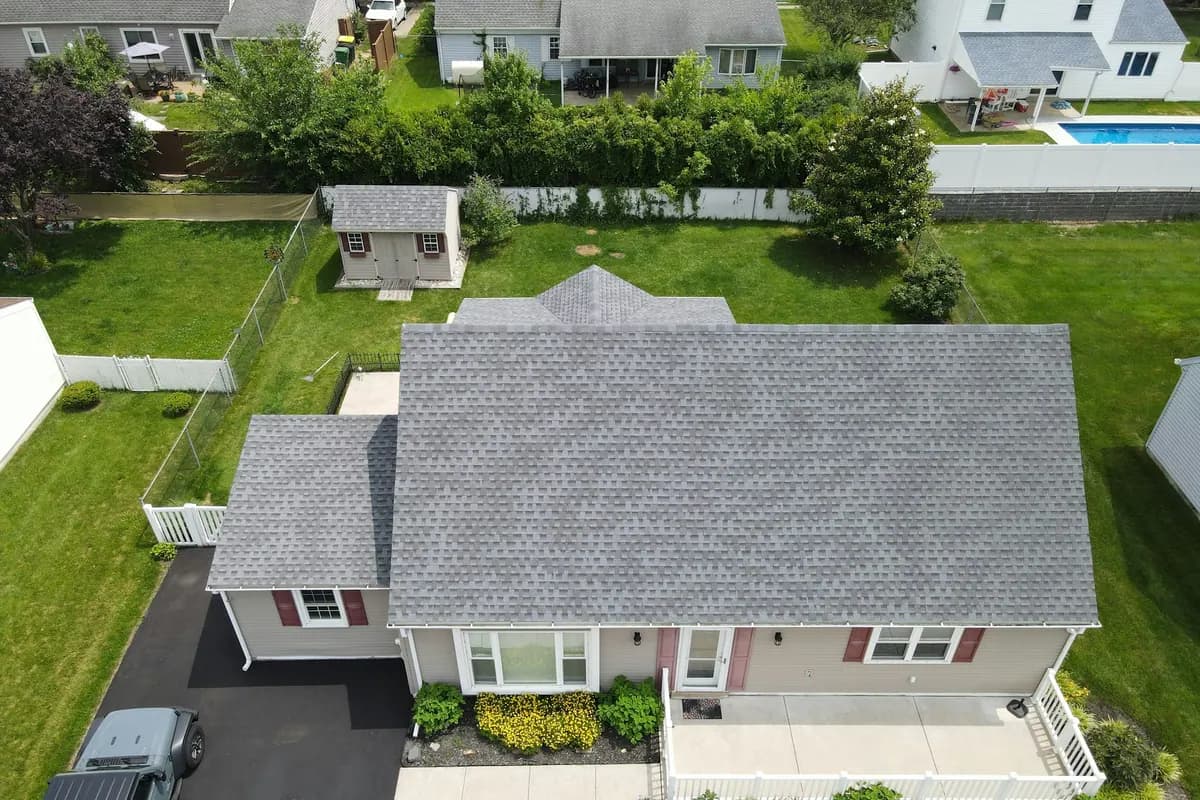
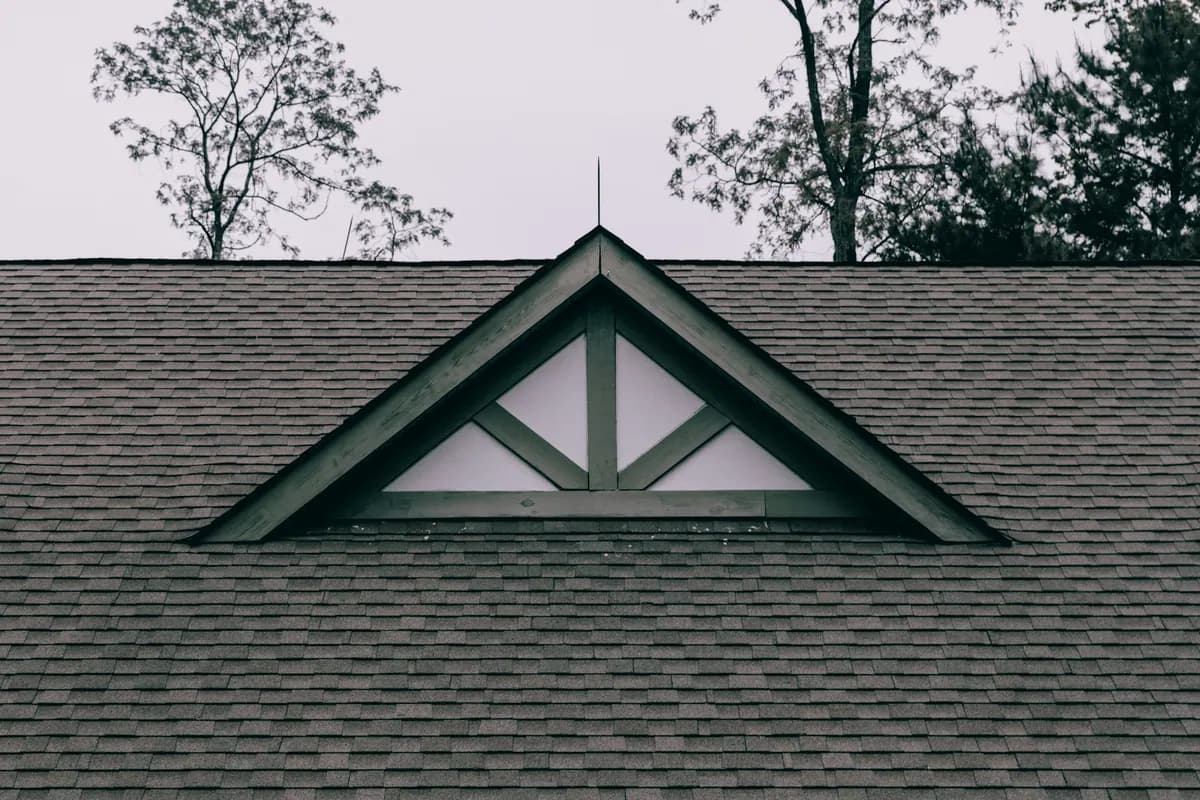
Most new asphalt roofs today use laminated architectural (dimensional) shingles, which are thicker and give a layered look. Older three-tab shingles are flatter and more uniform. On older roofs, finding matching three-tab shingles for a repair can be difficult, which sometimes influences whether a repair or replacement makes more sense.
Within each type, product lines differ in weight, wind-resistance testing and warranty terms. Those specifics come from the manufacturer's literature for the exact product chosen — not from general claims.
The details that decide wind performance
Manufacturers publish installation instructions that set out fastening and edge requirements, including enhanced methods for higher-wind areas. Following them is what the product's performance depends on.
- Starter strip
- A sealed starter course along eaves and rakes anchors the first course, where wind uplift starts.
- Nail placement
- Nails driven in the manufacturer's nailing zone, straight and flush — high or angled nails reduce holding power.
- Drip edge
- Metal at eaves and rakes protects the deck edge and supports the shingle overhang.
- Ridge and hip caps
- Cap shingles fastened for exposure; ridges catch wind from both sides.
- Sealing
- Shingle seal strips bond in warm weather. Roofs installed in cold months may need attention until they seal.
Repair versus re-roof on shingle roofs
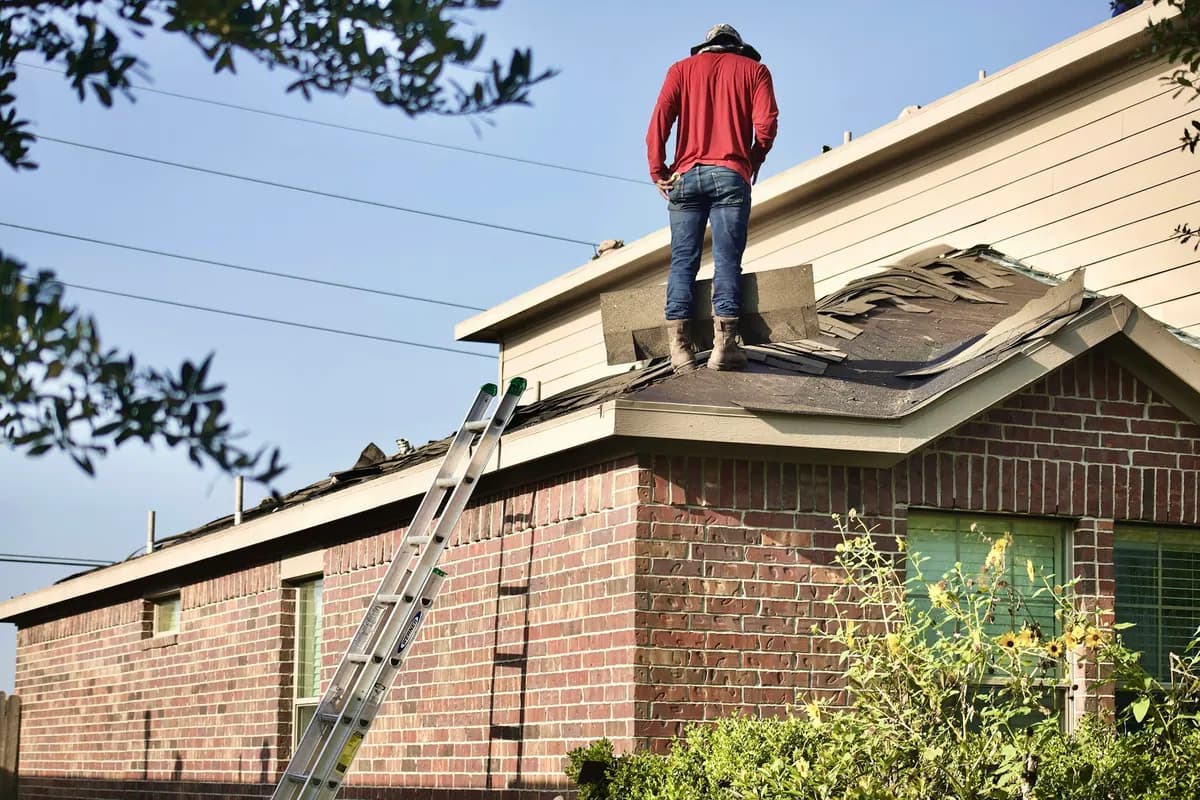
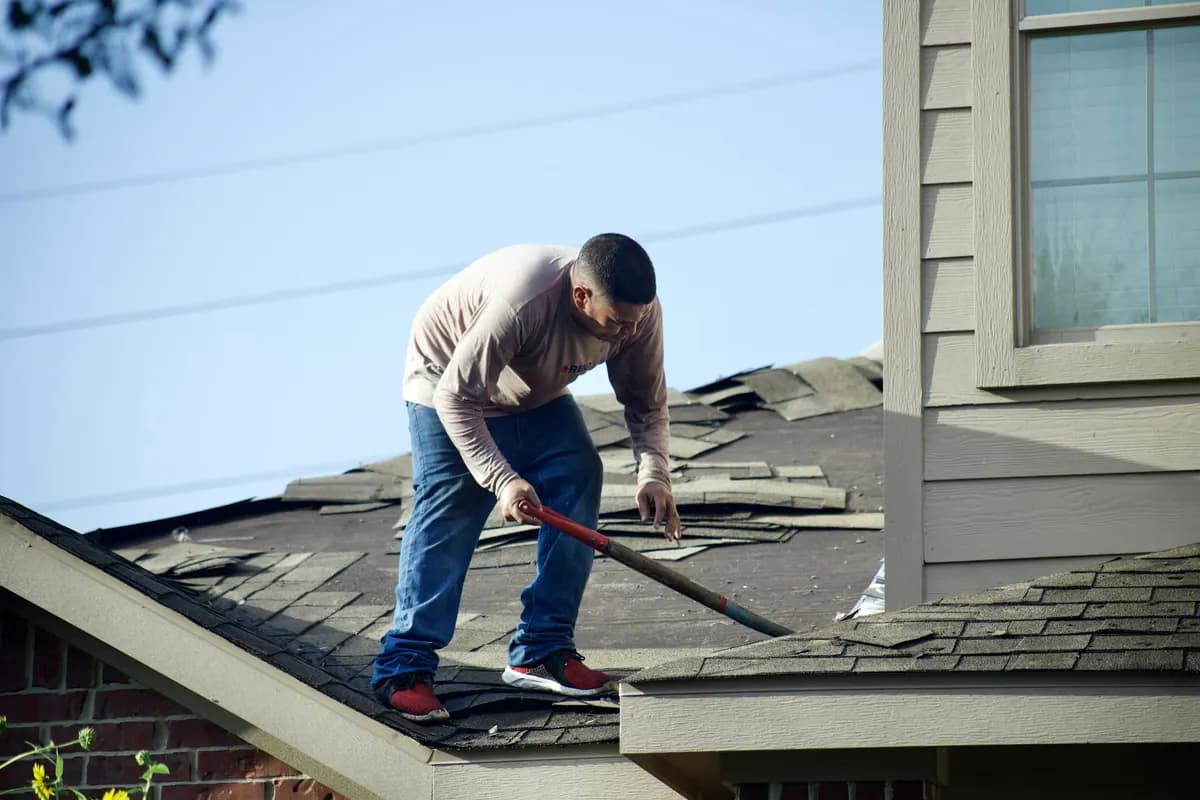
A localised problem — a few wind-lifted shingles, a failed pipe boot — is usually a repair. Widespread granule loss, brittleness and curling across many slopes point toward replacement. See our roof replacement page for what a full asphalt re-roof includes, from tear-off to ridge cap.
Cape May County
Shingles near the water
On oceanfront and inlet-side streets, shingle roofs are tested by wind more often than inland roofs, and damaged edges and ridges are the typical repair. Algae streaking is common on shaded, damp slopes in the county's humid climate; it is mostly cosmetic, but it is worth distinguishing from actual shingle deterioration before deciding on any work.
Questions about asphalt shingle roofing
Are architectural shingles better in wind than three-tab?
Many architectural shingles carry higher wind-resistance ratings than older three-tab products, but ratings vary by product and depend on installation. Compare the specific products' published ratings and installation requirements.
Why are my shingles losing granules?
Some granule loss is normal on new shingles and as they age. Heavy loss, bare patches or large amounts of grit in gutters suggest the shingles are wearing out or were damaged, and are worth an inspection.
Should I pressure-wash dark streaks off the roof?
No. Pressure washing can strip granules and shorten shingle life. If streaking bothers you, ask about low-pressure cleaning methods recommended by the shingle manufacturer.