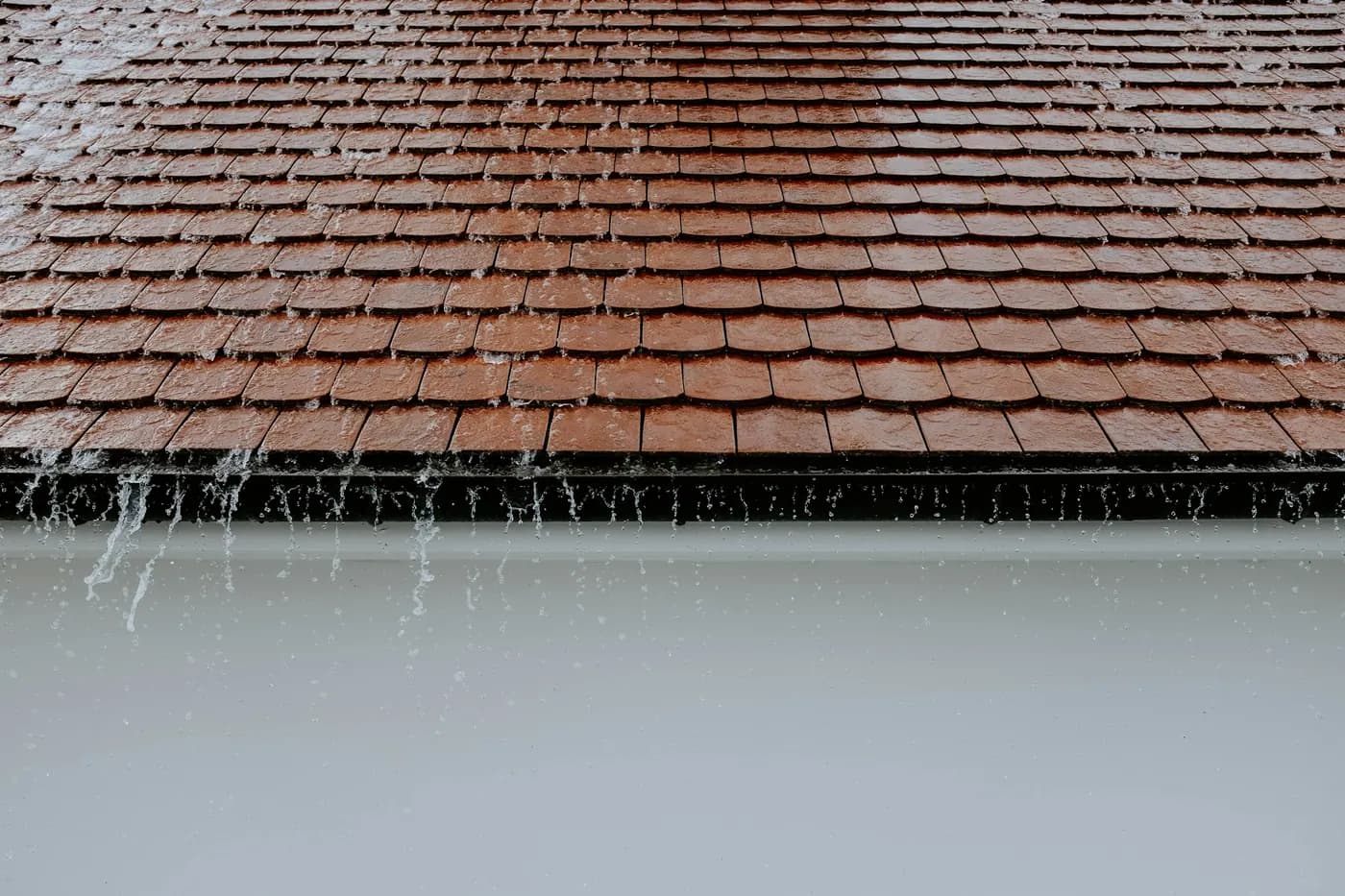
Drainage · 5 min read
How Gutters Help Protect Roof Edges During Heavy Rain
Drip edge, gutter, downspout, ground: the four links that keep a heavy rain away from fascia, walls and foundations.
Roofing for homes and commercial buildings across all 16 Cape May County municipalities
Storm damage or an active leak? Call (914) 906-5748
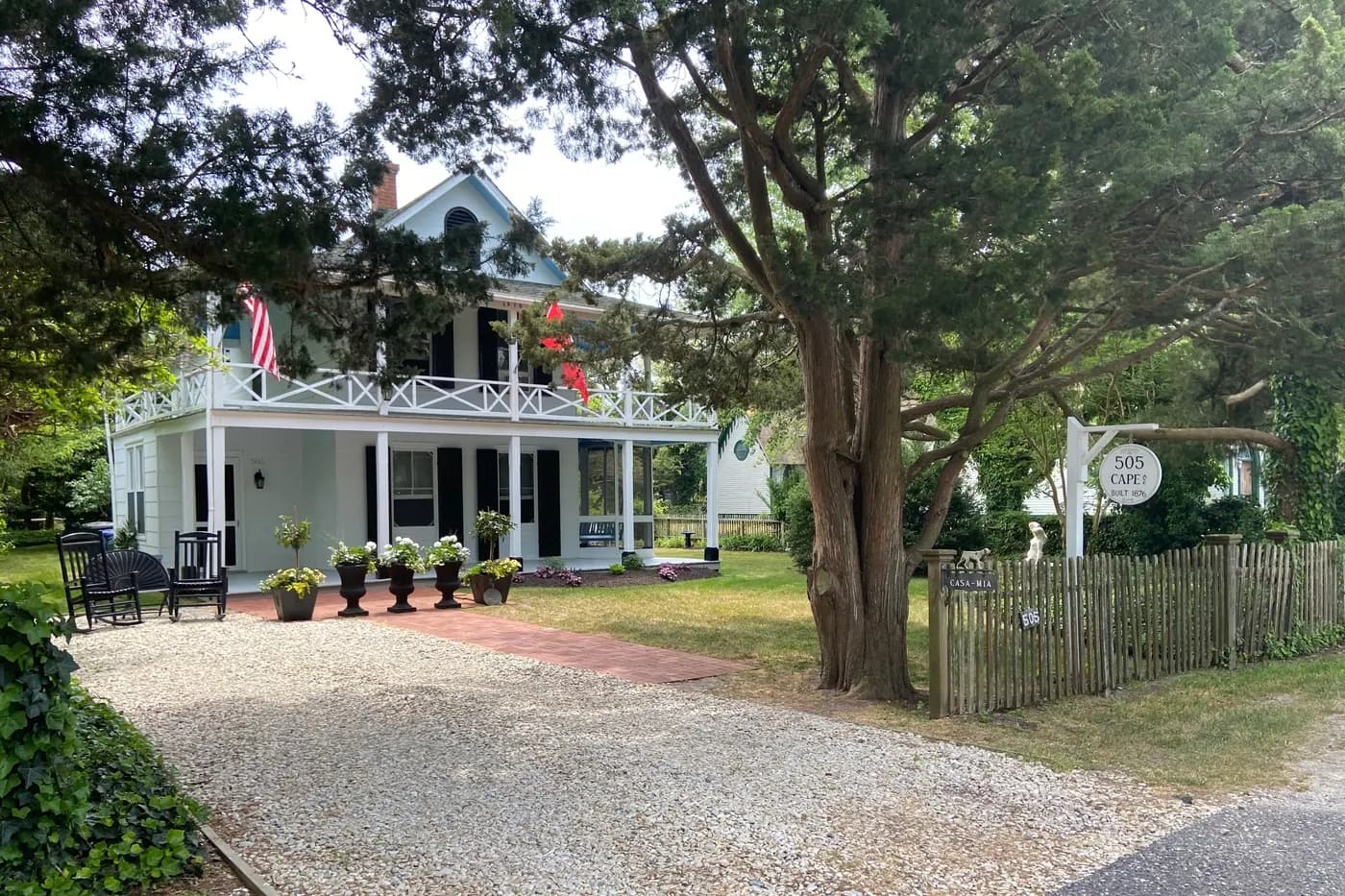
Borough of Cape May Point · Cape May County
A small, quiet borough of cottages and modest houses at the very tip of New Jersey, between the Atlantic and Delaware Bay.
Photo: WhisperToMe / Wikimedia Commons (CC0). Credits
Cape May Point is tiny — about a third of a square mile, with roughly three hundred year-round residents and around six hundred houses. Zoning has kept most houses modest, on 50-by-100-foot lots, and the borough has a quieter, leafier feel than its neighbour Cape May City.
For roofing, the Point is unusual in facing two bodies of water: the Atlantic to the south and Delaware Bay to the west. Wind can arrive from either, and mature trees on many lots add debris that island towns rarely see.
The borough occupies the very tip of the Cape May Peninsula, bordered by Lower Township, the ocean and the bay. The Cape May Lighthouse stands just outside it, in Cape May Point State Park in Lower Township. In summer the population grows to several thousand.
Houses are mostly single-family cottages and modest homes, many with porches, set on small lots among trees and shrubs. Simpler roof shapes are common, though porches and dormers add details.
Exposure profile
Nor'easters in winter, tropical systems late in the year and westerly gales across the bay all affect the Point.
Few places in New Jersey have open water on two sides the way Cape May Point does. Roofs here take onshore wind from the Atlantic and westerly wind across Delaware Bay, so both sides of a house matter when checking for storm damage.
Salt air and roof componentsThe mature trees that give the Point its character also drop leaves and needles into gutters and valleys and keep roofs shaded and damp. Regular gutter clearing, trimming branches back from the roof, and checking shaded slopes for moss and deterioration are the main maintenance tasks.
How storm debris damages roofingSimpler roofs make repairs more straightforward, but porch-to-wall connections, chimneys and vent pipes still account for most leaks. Matching materials on older cottages is worth discussing before work starts.
Roof repairA spring inspection and gutter clean before the season, plus a check after major storms, covers most of the risk for homes that sit empty through winter.
Seasonal-home roof careAfter a storm, look for lifted shingles on the exposed sides and for limbs on or near the roof. Stay clear of any branch resting on the roof and have it removed professionally.
Storm damage roof repairArchitectural shingles suit most roofs here; metal is sometimes used on porches. Near salt water, choose corrosion-resistant flashing, fasteners and gutters.
Asphalt shingle roofingCape May Point homes most often need:
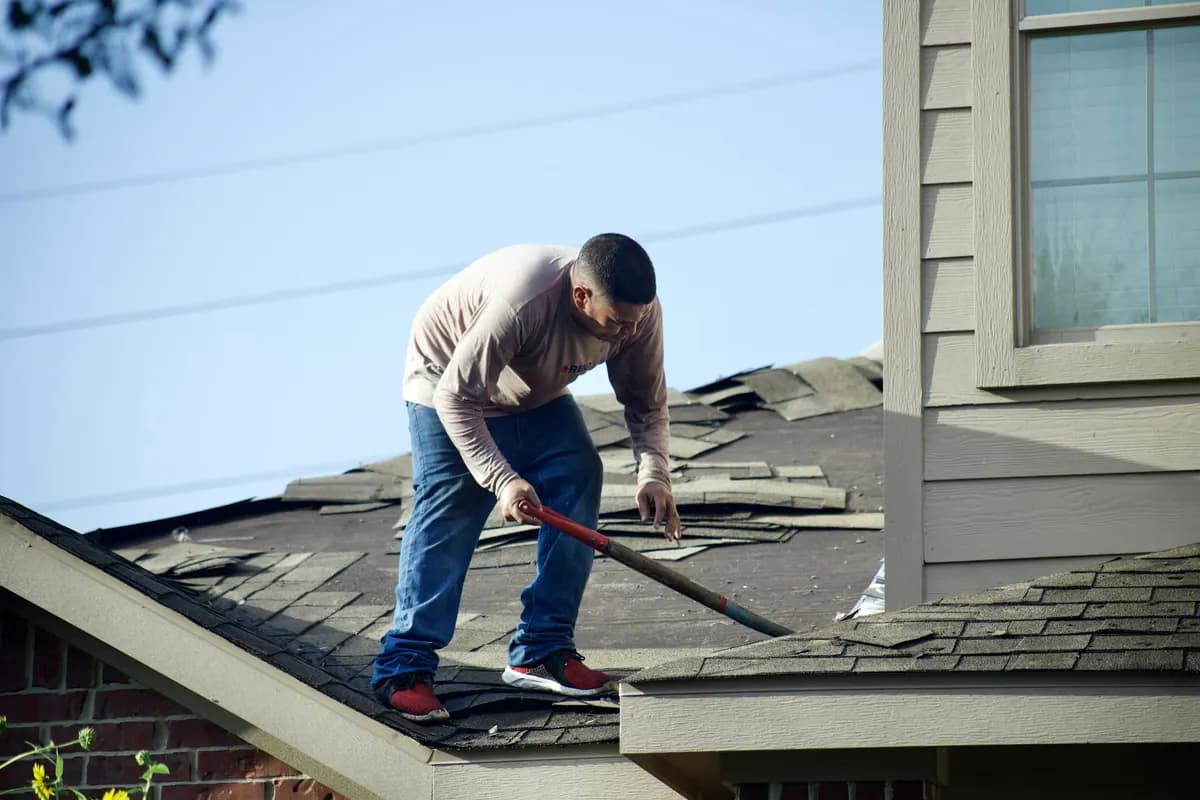
Finding where water is actually getting in — flashing, pipe boots, valleys, lifted shingles, roof edges — and fixing that, rather than the stain it left.
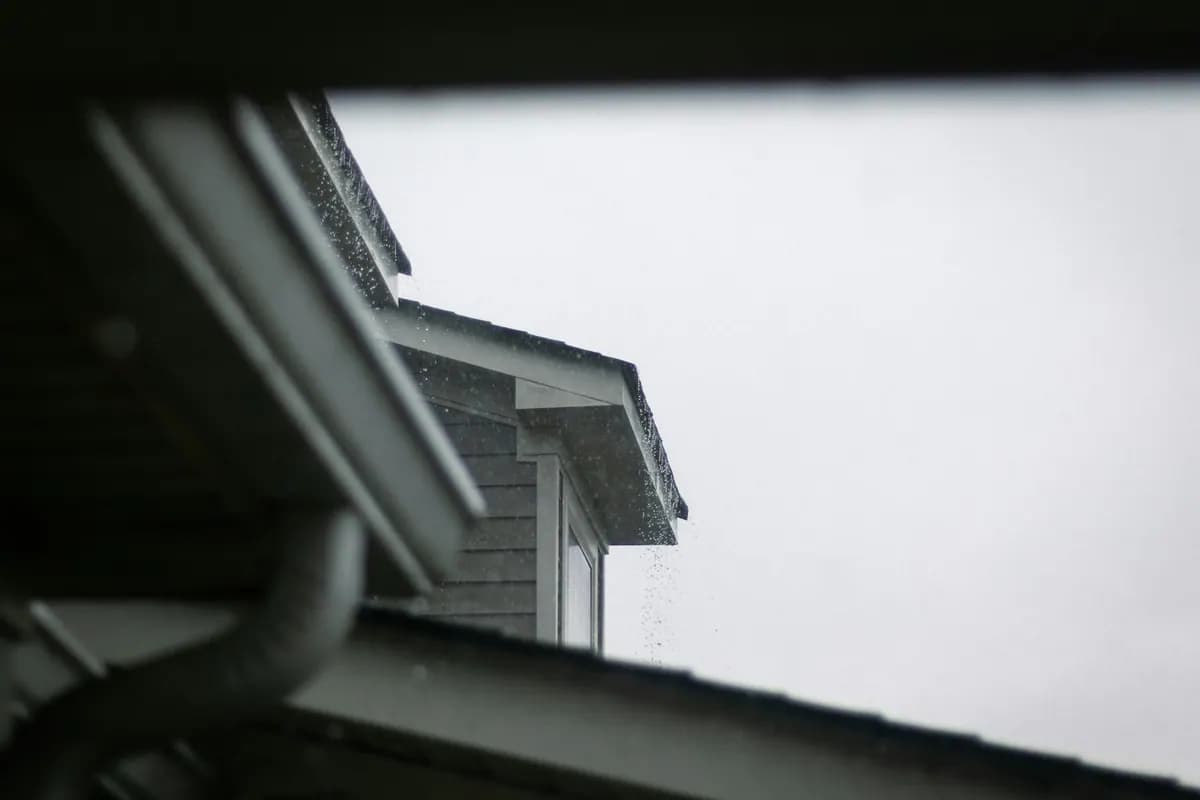
Gutters and downspouts treated as part of the roof: repair, replacement and re-pitching so water leaves the roof edge instead of backing into fascia and walls.
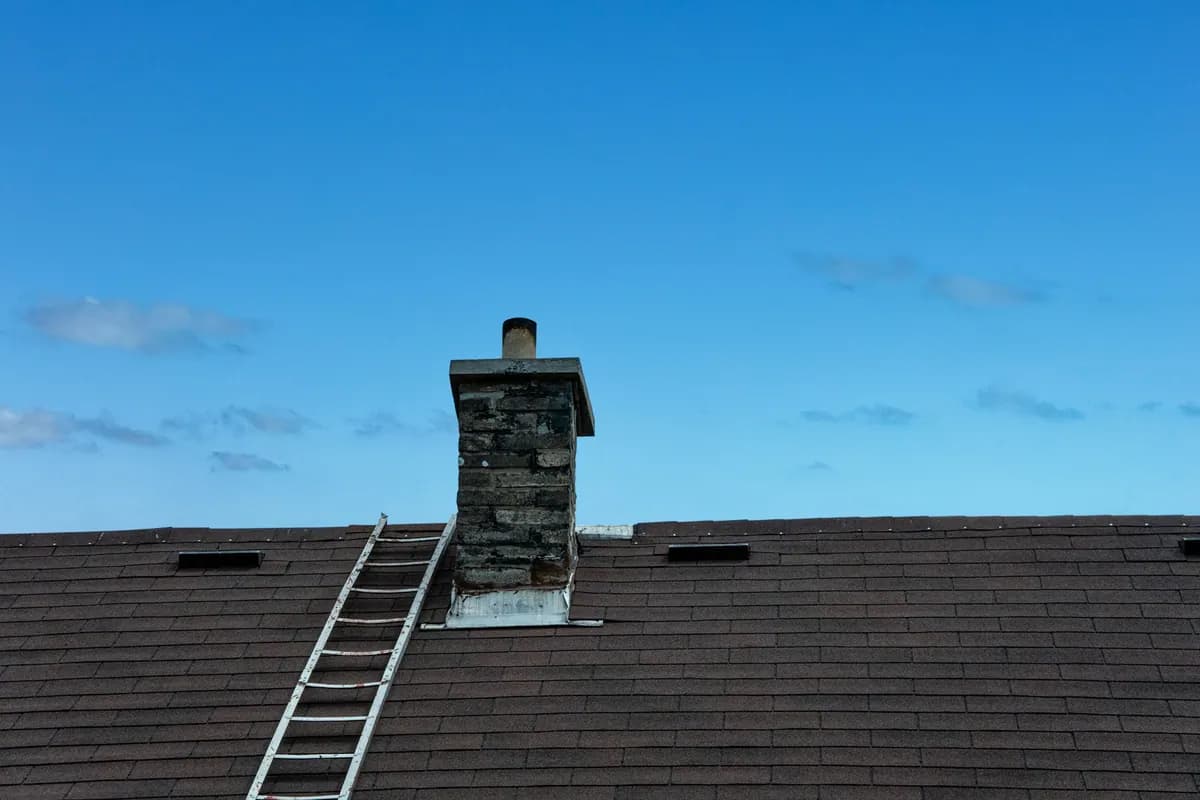
A close look at the whole roof — surface, flashing, edges, drainage and attic — before buying, before the season, after a storm, or when you simply are not sure.
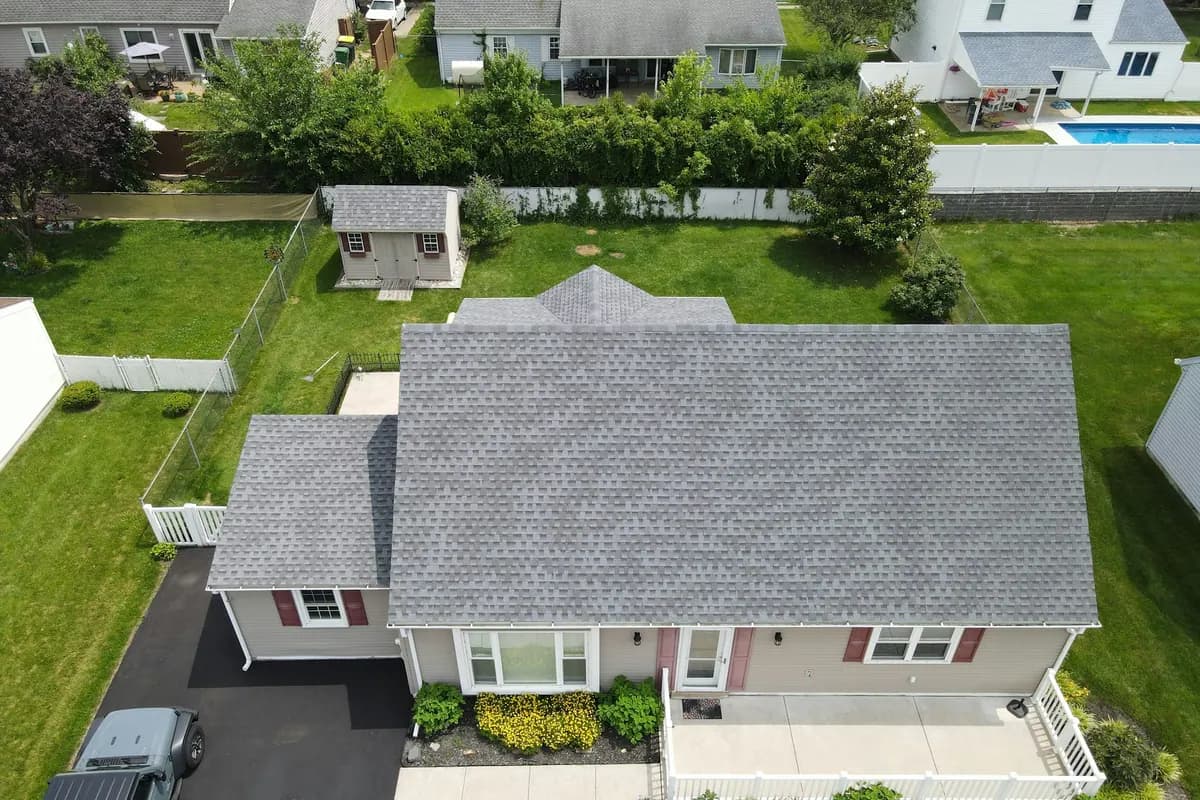
Roofing for the county's full range of houses — Victorian cottages, raised shore homes, duplexes, ranches and farmhouses on wooded mainland lots.
Cape May Point questions
The lighthouse stands in Cape May Point State Park, which is in Lower Township just outside the borough — though it is closely identified with the Point.
Moss holds moisture against the roofing and can lift shingle edges over time. It is worth having looked at, and trimming overhanging branches helps the roof dry.
Yes. An exterior check with photographs can be done without anyone present.
Drainage · 5 min read
Drip edge, gutter, downspout, ground: the four links that keep a heavy rain away from fascia, walls and foundations.
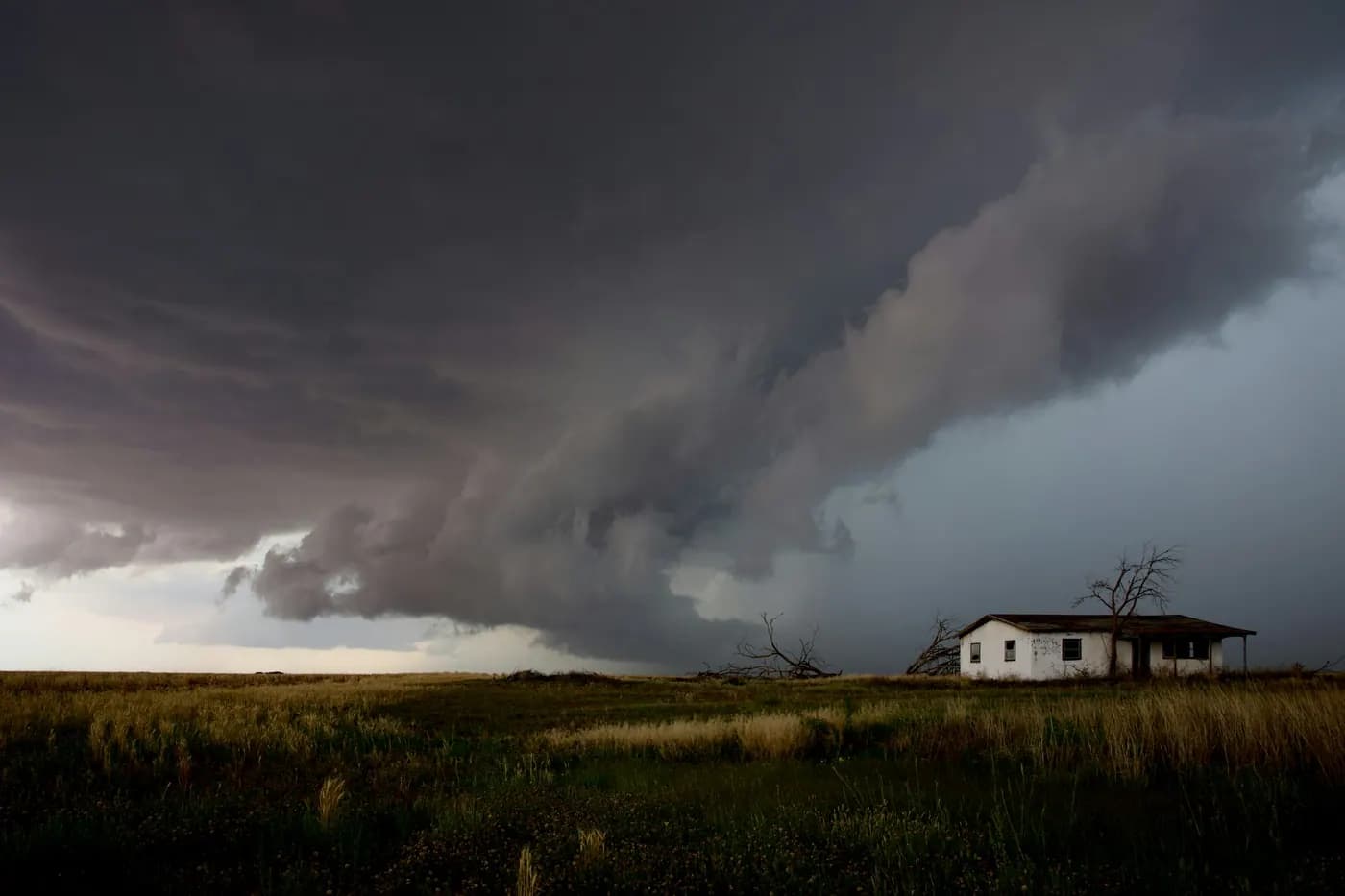
Storms & wind · 7 min read
A ground-level checklist for the day after a nor'easter: what to look at, what to photograph, and what should never be done from a ladder.
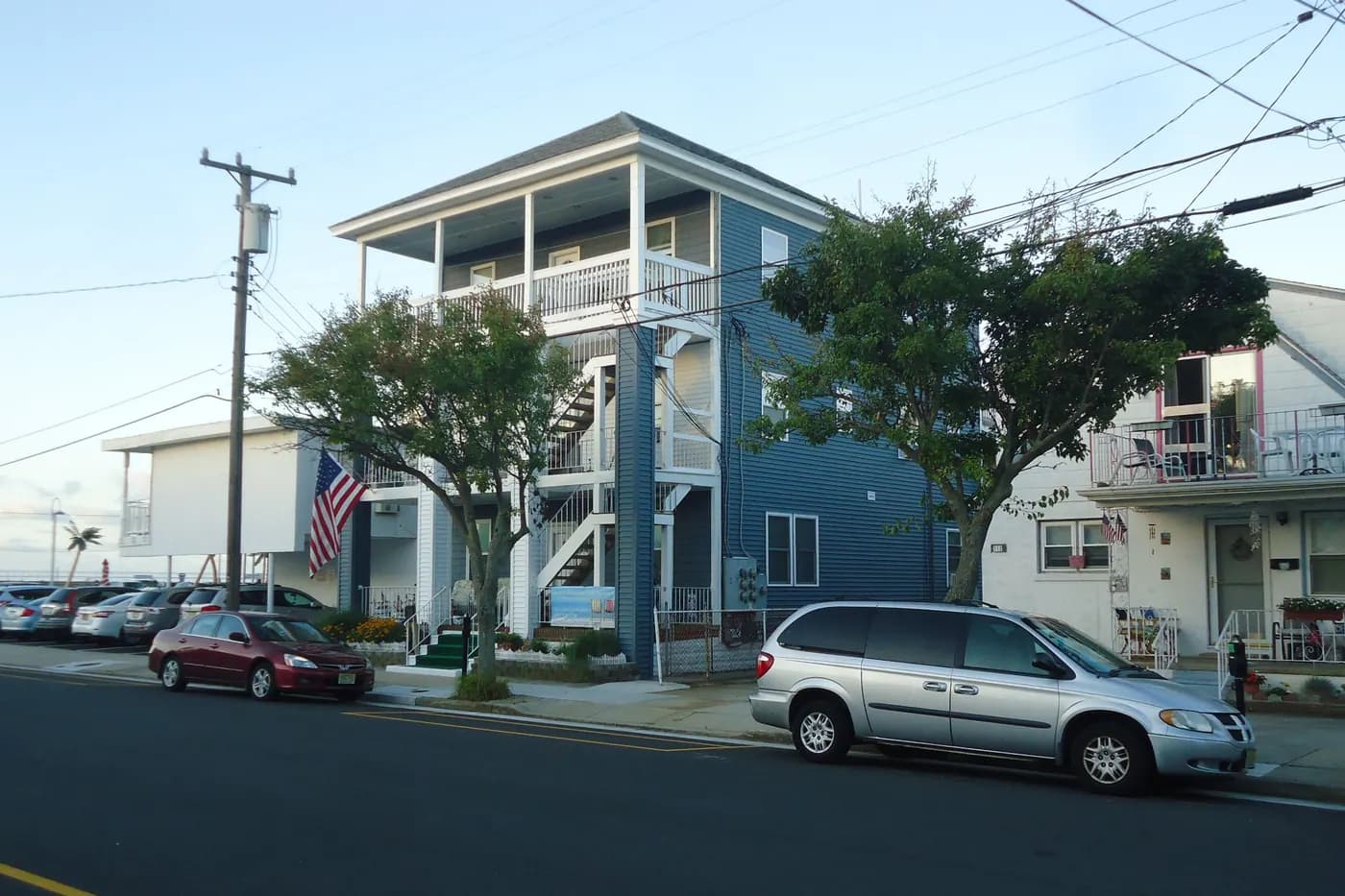
Seasonal homes · 6 min read
A simple calendar for owners who are not there all year — and the access plan that makes it work.
Roof evaluation request
Tell us about the property and what you are seeing. If you are away from your Cape May Point property, say so and we will ask about access.
Roofing for the Borough of Cape May Point, Cape May County, New Jersey. This page describes an area we serve; we do not claim an office in Cape May Point.