Older homes · 7 min read
Roof Flashing Problems Around Chimneys and Dormers
Step, counter, apron and head flashing — how they are meant to work, why they fail on older houses, and why caulk is not a fix.
Roofing for homes and commercial buildings across all 16 Cape May County municipalities
Storm damage or an active leak? Call (914) 906-5748
City of Cape May
The City of Cape May at the tip of the peninsula — a National Historic Landmark district of steep gables, mansards, dormers, towers and porches, each one a roofing detail to get right.
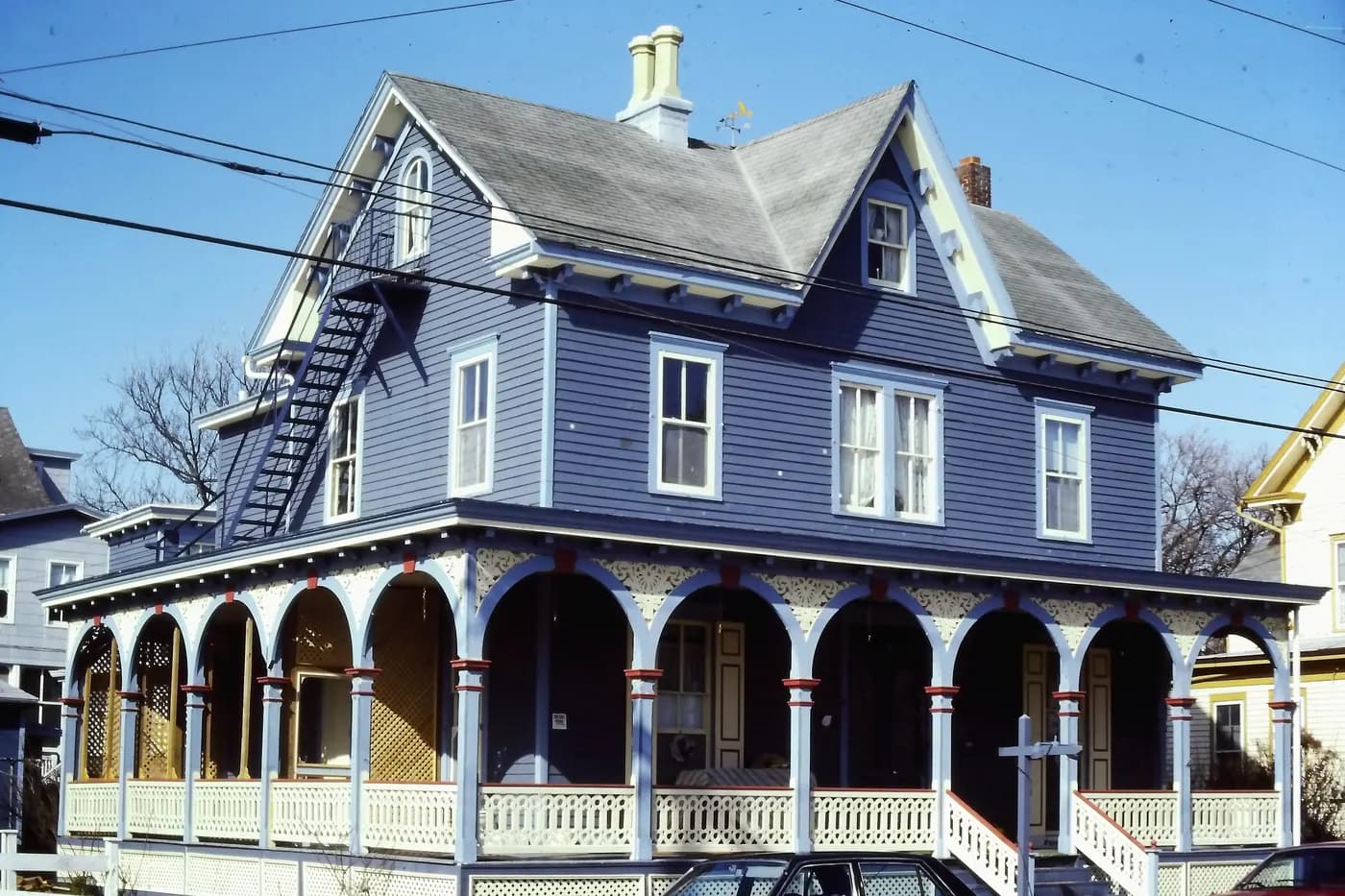
Photo: Bmzuckerman / Wikimedia Commons (CC BY 4.0). Credits
Cape May is the only city in the United States designated in its entirety as a national historic district. Its streets hold one of the country's largest concentrations of Victorian houses — cottages with steep cross gables and gingerbread trim, mansard-roofed houses with rows of dormers, towers, cupolas and deep porches.
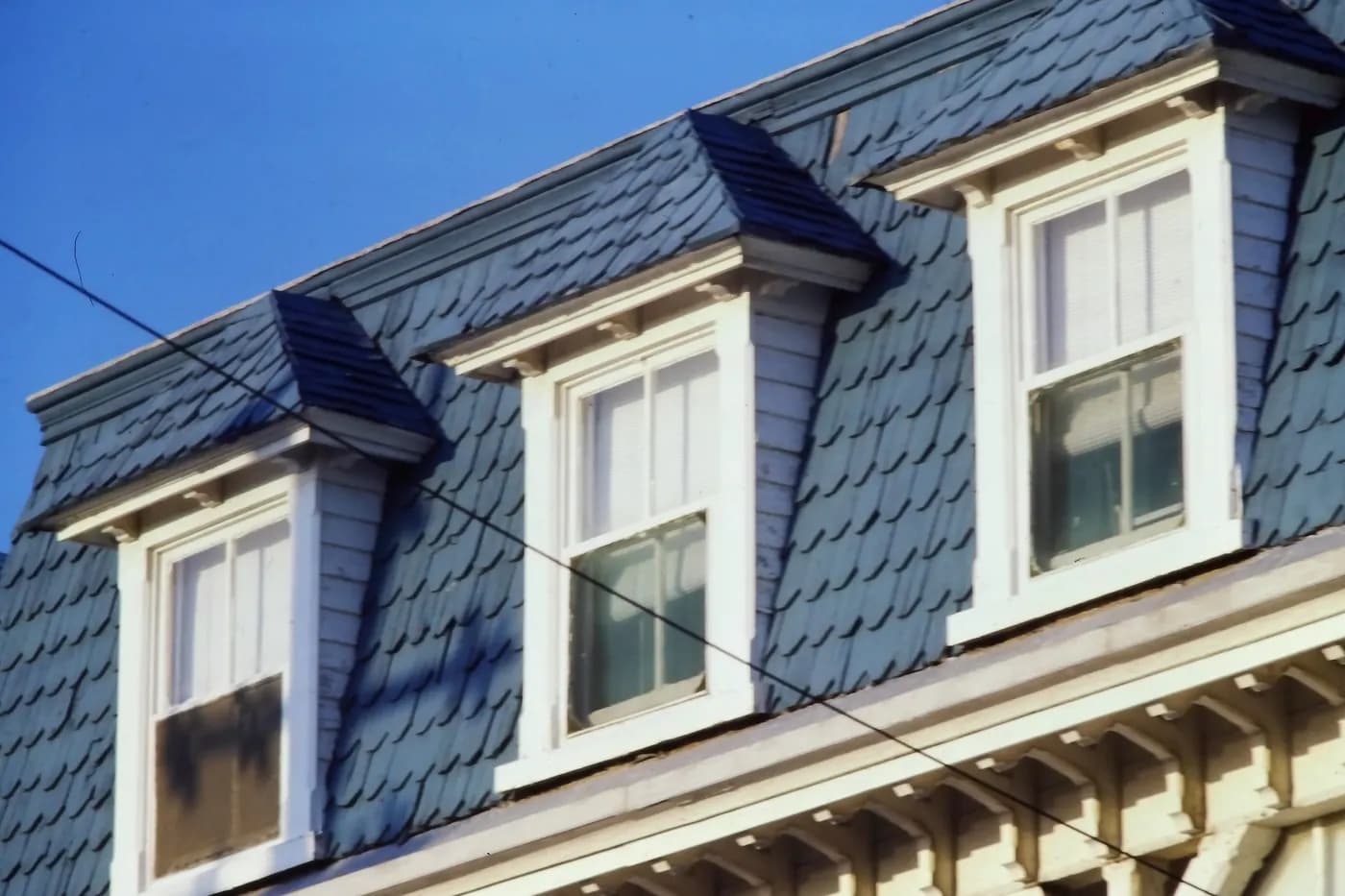
Those buildings are beautiful, and they are some of the most complicated roofs in the county. A Victorian house can have a dozen roof planes, several valleys, dormers on every side, a porch roof tied into the walls and two or three chimneys. Almost every leak on these houses starts at one of those junctions.
Historic setting
Because the whole city is a designated historic district, exterior changes — including some roofing changes — can be subject to local review. Confirm what applies to your property with the City of Cape May before choosing materials or starting work. We work on older and historic houses, but we do not provide historic-preservation compliance advice.
The place
The City of Cape May sits at the southern tip of the Cape May Peninsula, on the Atlantic near the mouth of Delaware Bay, bordered by West Cape May and Lower Township. It is generally low-lying — its highest point is about fourteen feet above sea level. Around 2,800 people live here year-round, and summer brings tens of thousands of visitors to its inns, guest houses, hotels and rental homes.
The houses
Much of the building stock is 19th- and early 20th-century: Gothic Revival and Italianate cottages, Stick Style and Second Empire houses with mansard roofs, Queen Anne houses with towers, and later Colonial Revival additions such as porches. Many houses have been converted to inns and bed-and-breakfasts; there are also larger hotels, commercial buildings on the main shopping streets, and newer houses built to fit the district.
The whole of Cape May is a designated historic district, and many owners are rightly careful about any change to how a house looks. Before a roofing project, it is worth confirming with the City of Cape May whether the work — especially a change of material, colour or profile — needs review.
Our role is the roofing itself: finding and fixing leaks, rebuilding flashing, and replacing roofs with careful detailing. For guidance on preservation requirements, consult the city and, where appropriate, a preservation professional.
Victorian roofs combine many small surfaces. Each junction is a potential leak point:
Old houses often have flashing that has been patched with tar or sealant for decades. That can hold for a while, but it hides the real condition underneath. Lasting repairs usually mean removing the patching and rebuilding step and counter flashing at chimneys and walls, and head and side flashing at dormers.
Chimneys themselves may need masonry attention before new flashing will stay sealed; that is worth assessing together.
On a complex older roof, a good repair is small, precise and matched as closely as possible to what is there. Tracing the leak often starts inside — from the stain back through the attic or ceiling space — because on a roof with many planes, water can travel a long way before it shows.
Many older houses were built without the ventilation modern roofs expect, and later insulation work can reduce airflow further. Warm, moist air trapped in an attic can condense on the underside of the roof deck. When a roof is replaced, adding balanced intake and exhaust ventilation — where it can be done in keeping with the house — is worth discussing.
With its highest point only about fourteen feet above sea level, Cape May has little topography to break the wind. After a significant storm, towers, dormers and ridges are the first places to check, along with any loose decorative trim.
A replacement on a Victorian house is a detailed project: many small roof areas, extensive flashing, careful protection of porches and decorative trim, and material choices that may need city review. The proposal should spell out how each area and each flashing detail will be handled.
Roofs in the city carry asphalt shingles, slate and slate-look products, metal on porches and towers, and membranes on low-slope areas. The right choice depends on the house, the budget, the roof's pitch and any review requirements. We can explain the practical trade-offs of each system.
Deep porches are part of Cape May's character, and many of their roofs are low-slope. They need membranes or metal suited to that pitch, and sound flashing where they meet the walls — the most common porch leak point.
Weather
Summers bring a daily sea breeze and occasional heavy thunderstorms; nor'easters peak in late winter, and tropical systems are most likely from late summer into autumn. Wind-driven rain is the weather that finds Victorian roof details.
Wind
Towers, cupolas and tall dormers stand above the main roof and catch wind from every direction; decorative trim and exposed ridges on steep roofs are also vulnerable.
Drainage
Steep roofs shed water fast into valleys and onto porch roofs below. Some older houses have built-in or box gutters integrated into the cornice; when those fail, water enters the wall and cornice rather than simply spilling over.
Cape May's older houses usually need careful repair and well-planned replacement:
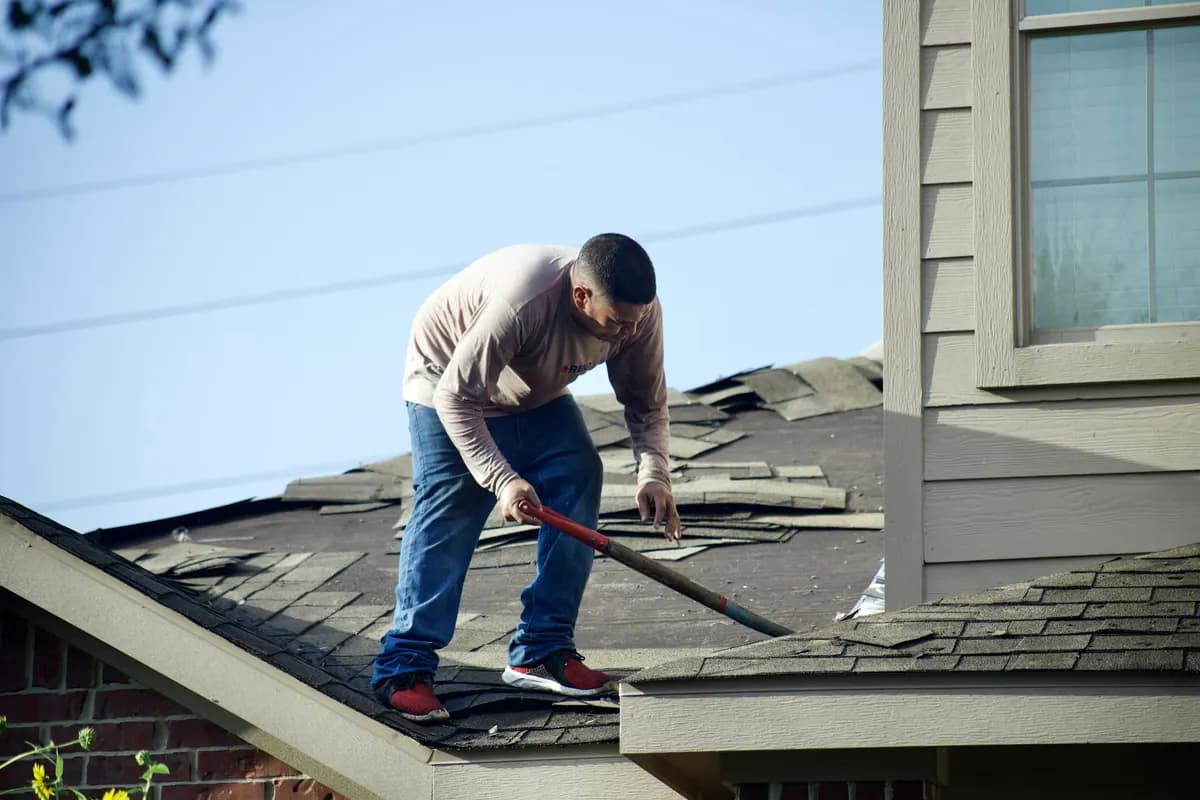
Finding where water is actually getting in — flashing, pipe boots, valleys, lifted shingles, roof edges — and fixing that, rather than the stain it left.
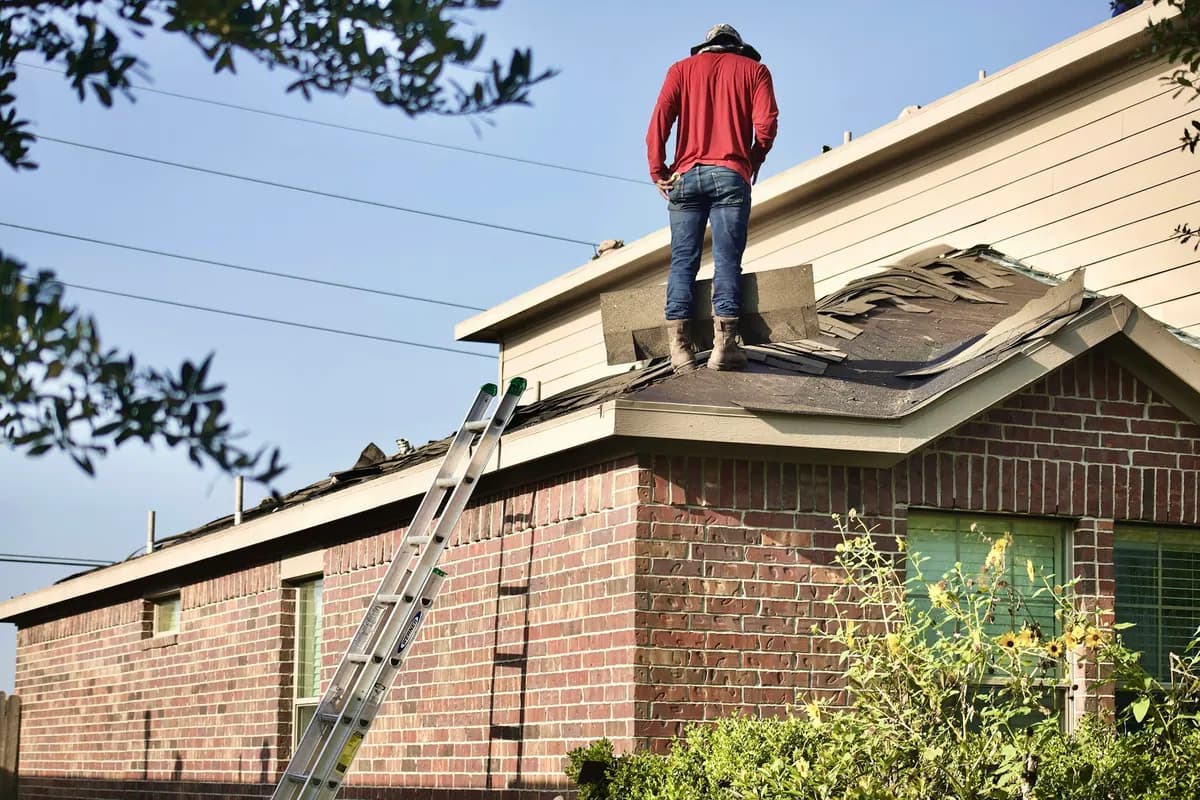
A complete tear-off and rebuild — deck review, underlayment, edge metal, flashing, ventilation and ridge — planned around the house and the season.
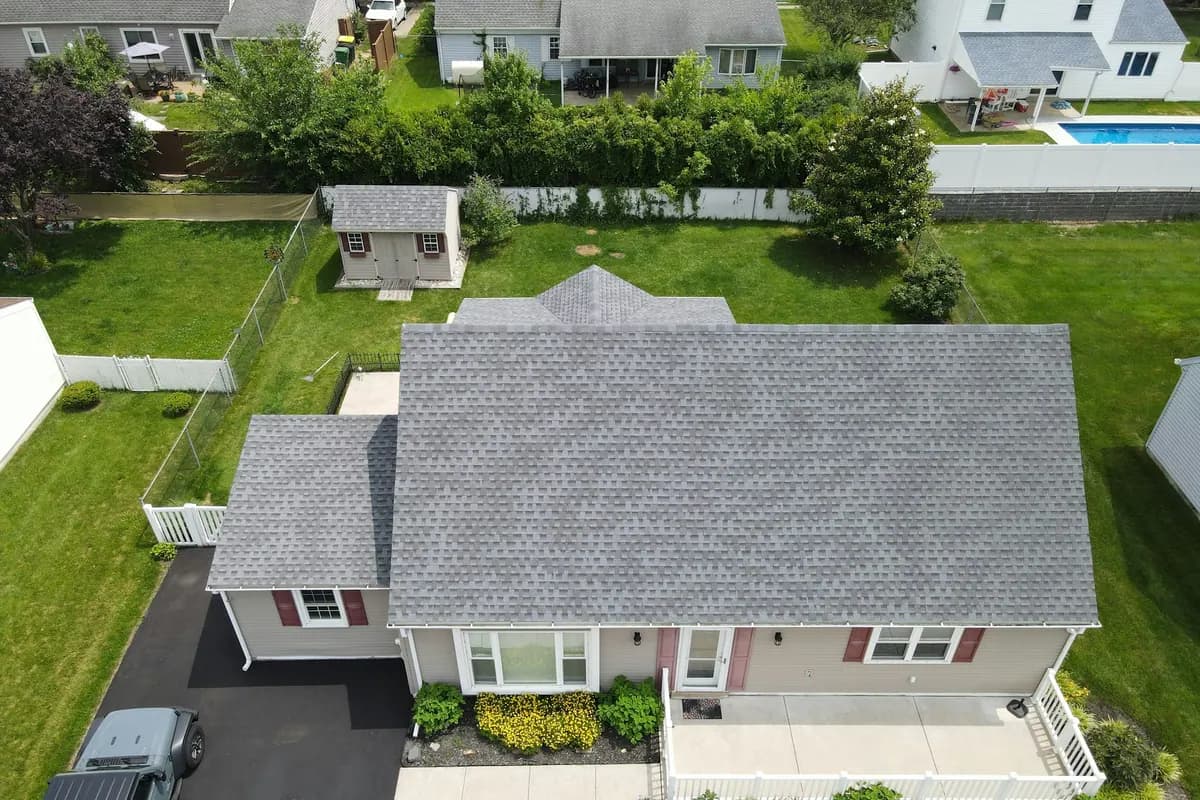
Roofing for the county's full range of houses — Victorian cottages, raised shore homes, duplexes, ranches and farmhouses on wooded mainland lots.
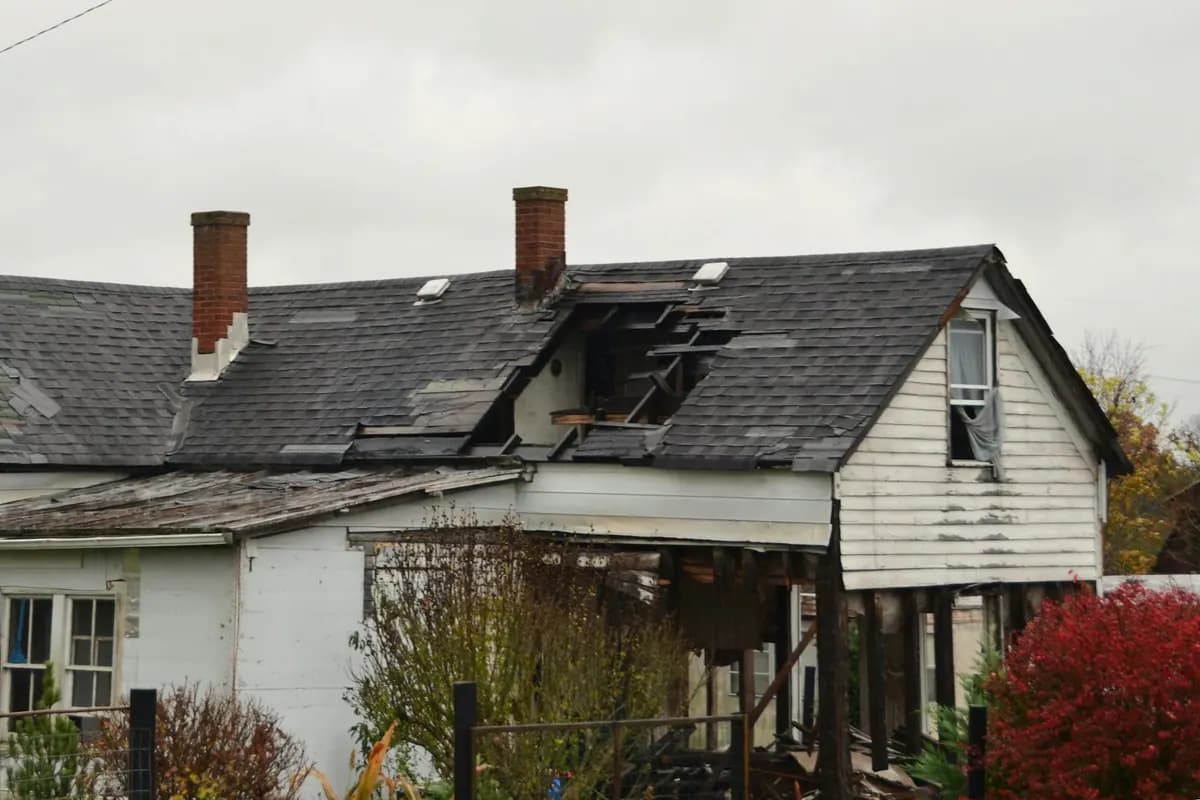
Assessing and repairing roofs after nor'easters, tropical systems and severe thunderstorms: wind uplift, torn ridges and edges, displaced flashing and debris impact.
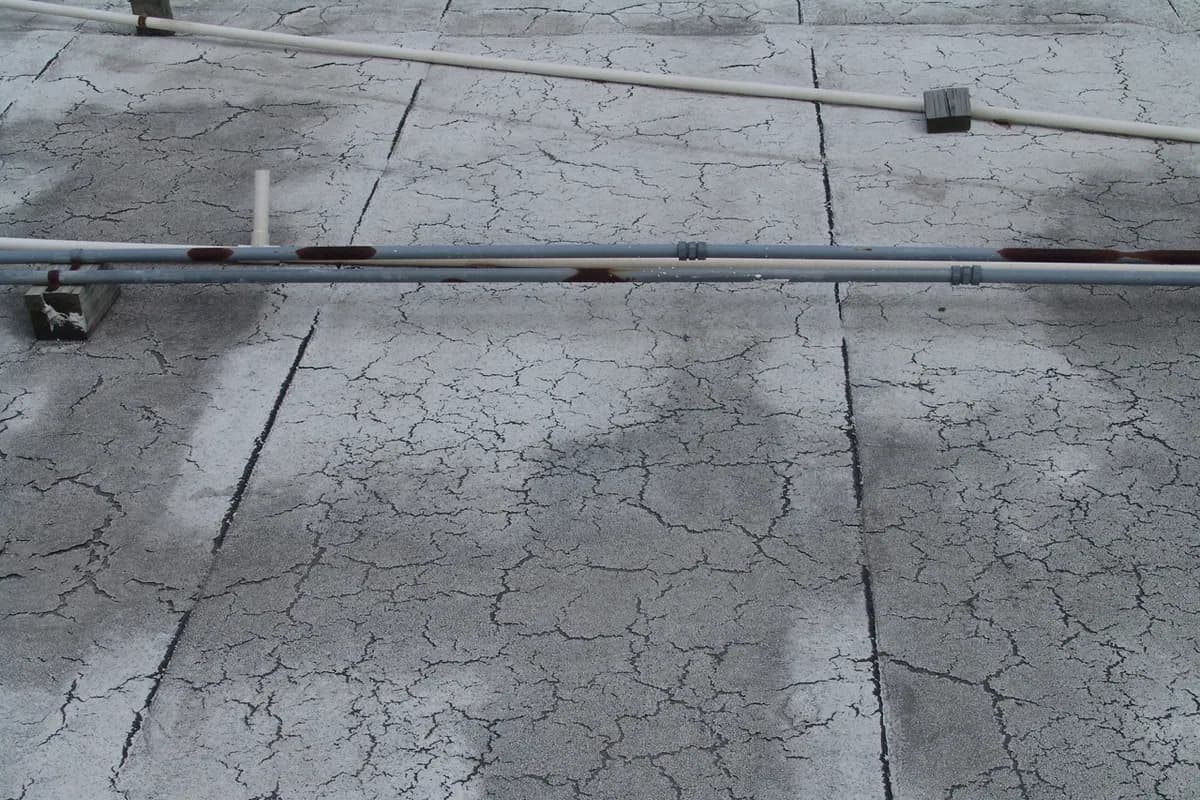
Low-slope roofs on additions, porches, decks over living space and commercial buildings: membrane and seam repair, drainage correction, flashing and replacement.
Cape May questions
The whole city is a designated historic district, and exterior changes can be subject to local review. Check with the City of Cape May for what applies to your property before choosing materials. We do not provide preservation-compliance advice.
Often yes. Dormer leaks usually come from the cheek-wall step flashing or the head flashing, and those can be rebuilt locally if the surrounding roof is sound.
Repairs can usually be scheduled around guests. Larger projects are best planned for the off-season.
No. They are three separate municipalities at the tip of the peninsula, and Cape May County is the county that contains all sixteen. We have separate pages for West Cape May and Cape May Point.
Older homes · 7 min read
Step, counter, apron and head flashing — how they are meant to work, why they fail on older houses, and why caulk is not a fix.
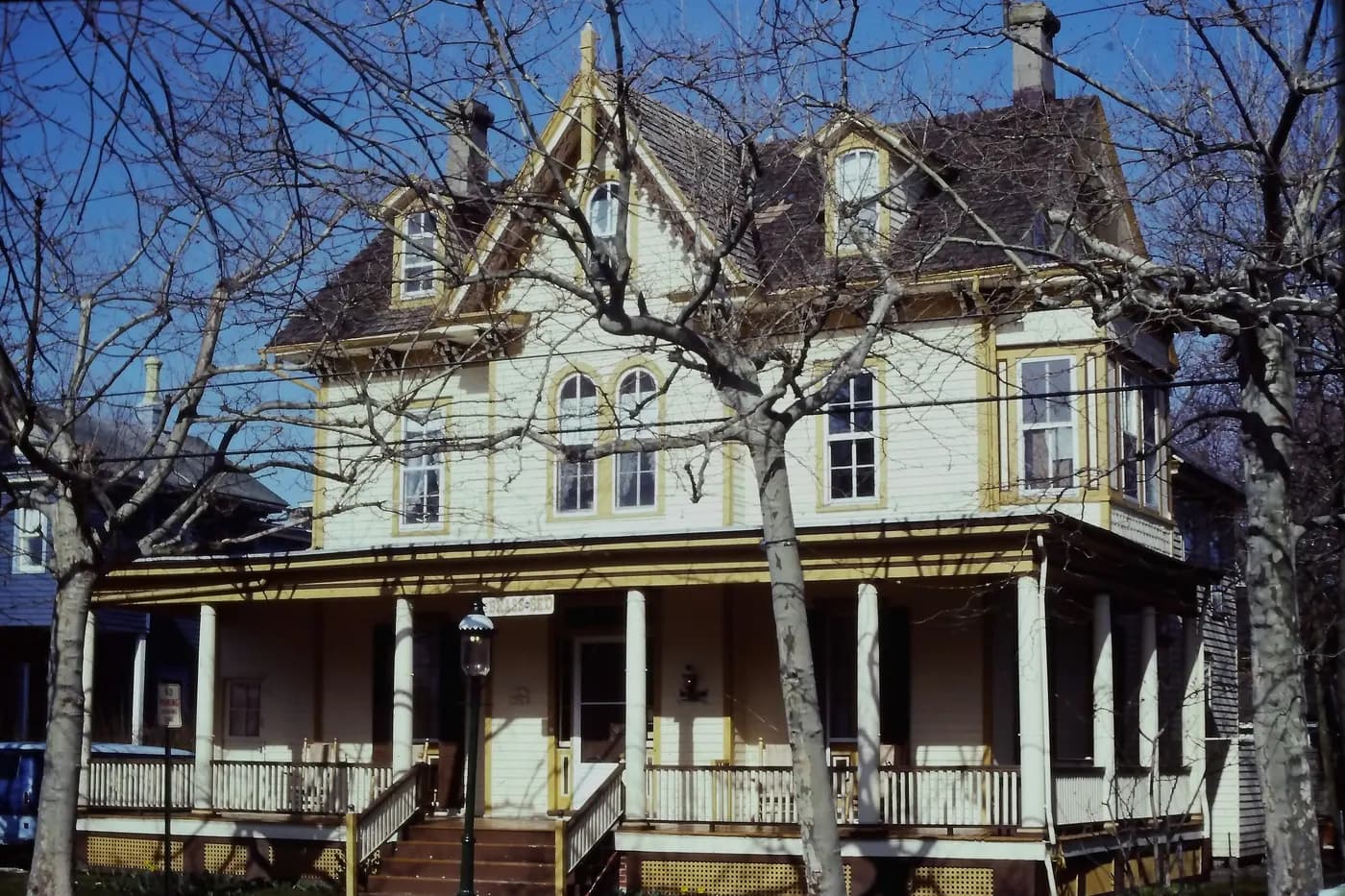
Older homes · 7 min read
Older houses hide surprises under the shingles. What to expect, what to ask, and what to settle before tear-off day.
Ventilation · 5 min read
A breezy coastal climate does not ventilate an attic for you. How intake and exhaust work, and the signs a roof space is trapping moisture.
Roof evaluation request
Tell us about the property and what you are seeing. If you are away from your Cape May property, say so and we will ask about access.
Roofing for the City of Cape May, Cape May County, New Jersey. This page describes an area we serve; we do not claim an office in Cape May.