Storms & wind
Signs Shingles Have Been Lifted by Wind
The damage that looks like nothing: broken seals, creased tabs and raised edges that fail in the next storm.
· 5 min read · Cape May Roofing Experts
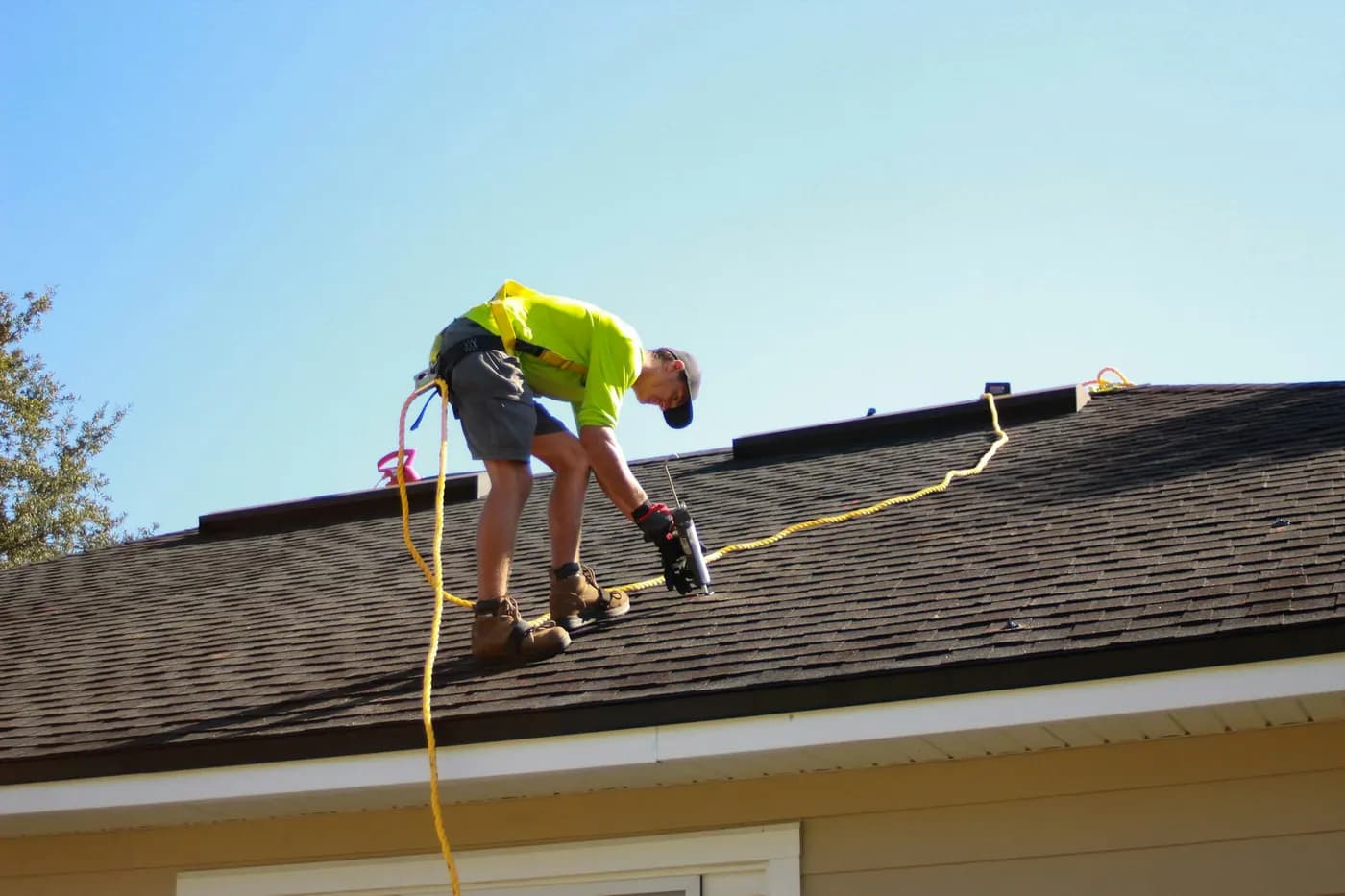
Photo: Raze Solar / Unsplash (Unsplash License). Credits
Missing shingles are obvious. Lifted shingles are not. A shingle can be pulled up by a gust, have its adhesive seal broken, and settle back down looking almost normal. Its hold on the roof is now much weaker, and the next strong wind can take it — and the ones around it.
How a shingle holds on
Asphalt shingles are held by nails and by a strip of adhesive that bonds each shingle to the one below after installation. The seal is what resists wind lifting the tab. Once it breaks, the tab can flex in every gust.
What lifted shingles look like
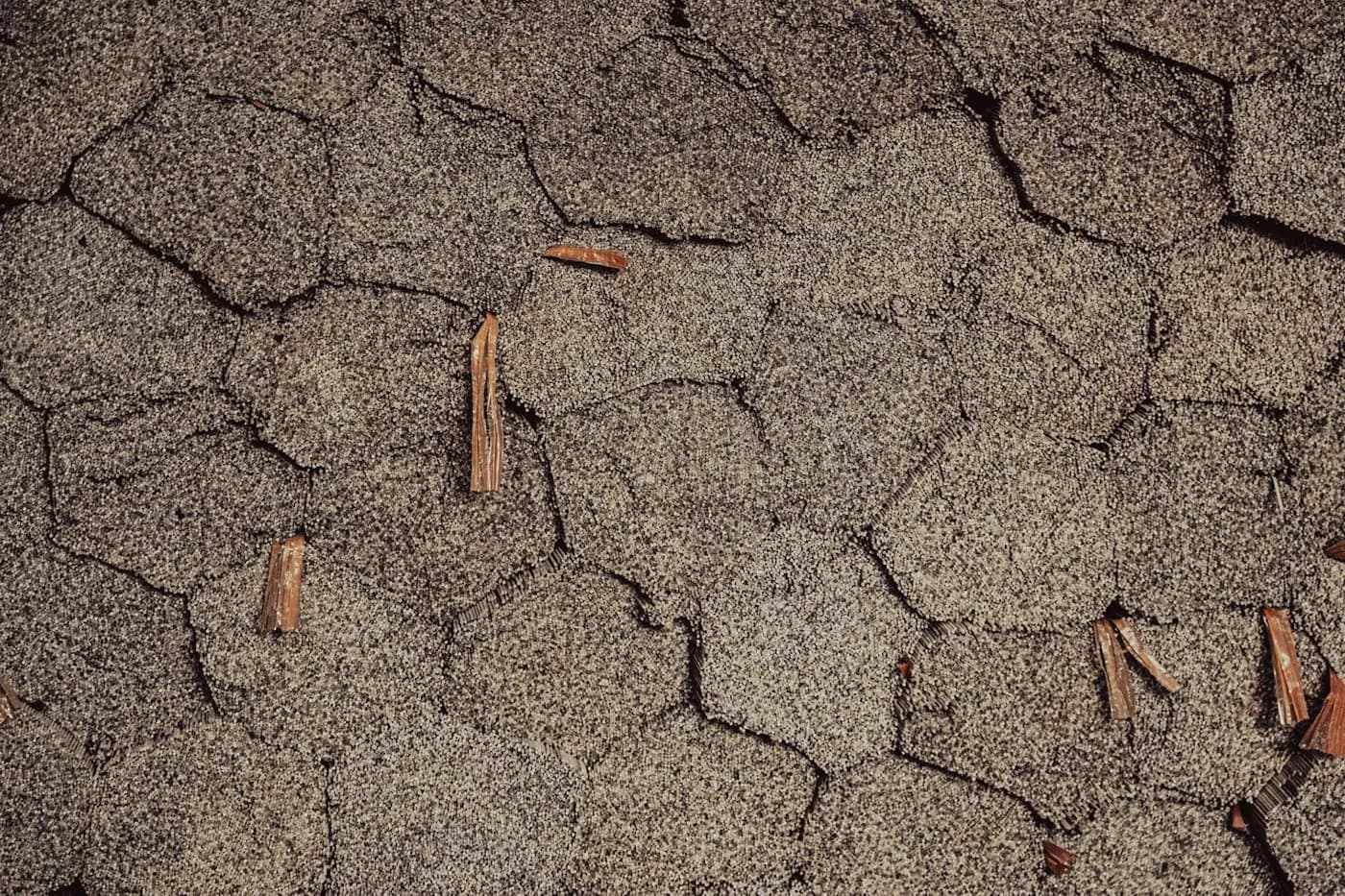
- A horizontal crease across the tab, where it was bent back
- Tabs that sit slightly raised or wave in a breeze
- Shingles out of line with their row
- Exposed nail heads or nails backed partly out
- Loose granules or a bare line where tabs have rubbed
- Clusters of damage along edges, rakes, hips and ridges
Where to look
Wind uplift is strongest at the eaves, rakes, corners, hips and ridge, and on the side of the house facing the storm. On the barrier islands, that is often the ocean or inlet side; along Delaware Bay, the west side.
What repair involves
Creased or torn shingles are replaced. Unsealed but intact shingles can sometimes be re-secured following the manufacturer's guidance. Where lifting is widespread on an older roof — shingles brittle and cracking when handled — replacement may be the more sensible option.
The bottom line
Look for creases, raised tabs and exposed nails along edges and ridges after strong wind, and fix them before the next storm finishes the job.