Residential roofing here means fitting the work to the house and to how it is used: whether someone lives there year-round, whether it is rented by the week in summer, or whether it sits empty for months at a time.
Common residential requests
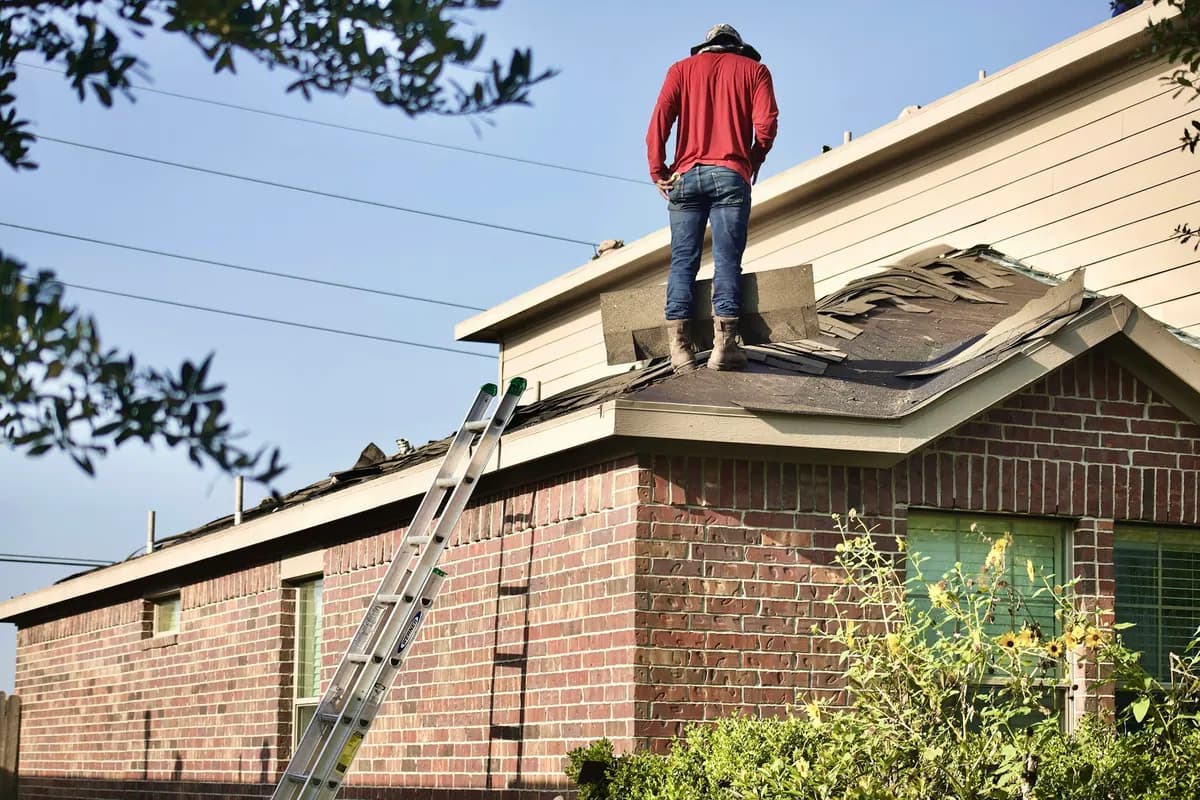
- A leak that needs finding and fixing
- An aging roof that needs an honest repair-or-replace opinion
- A pre-season check before summer renters arrive
- A storm check after being away
- A roof for an addition, dormer or garage
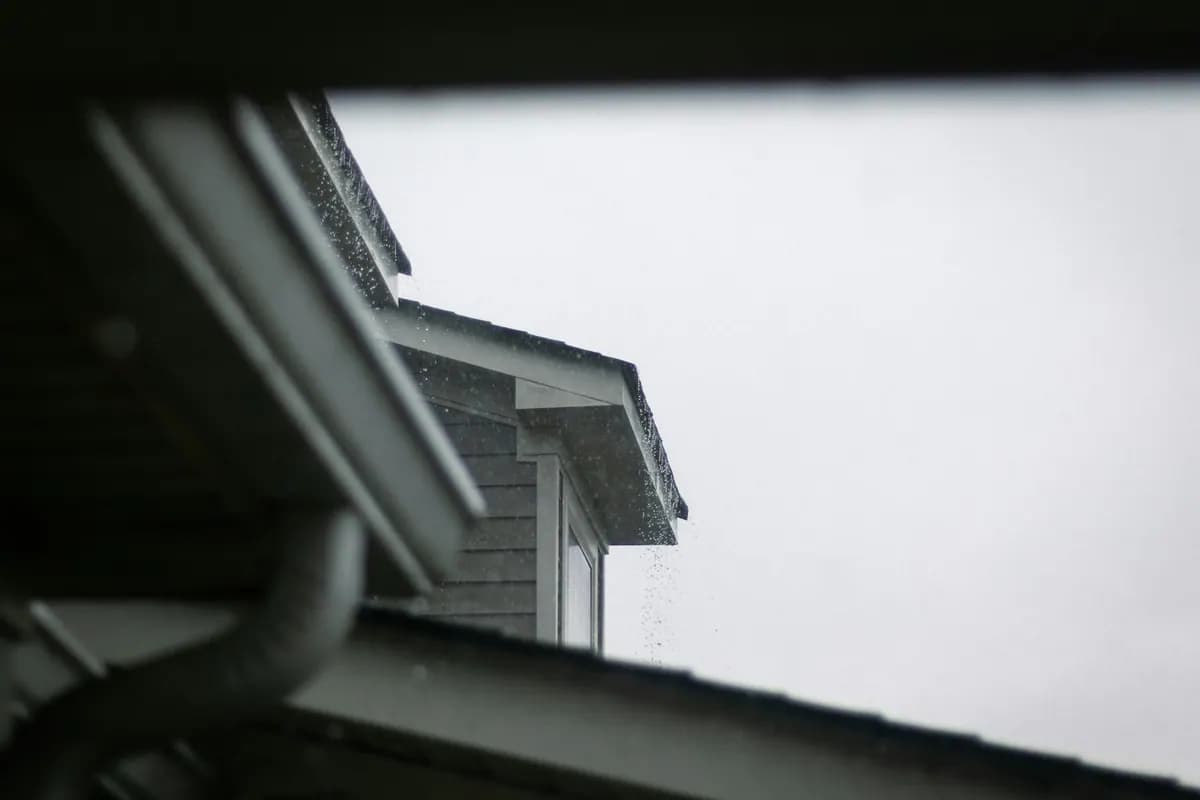
- Gutters and drainage that overflow at the roof edge
Different houses, different roofing problems
The roof tells you a lot about where to look for trouble.
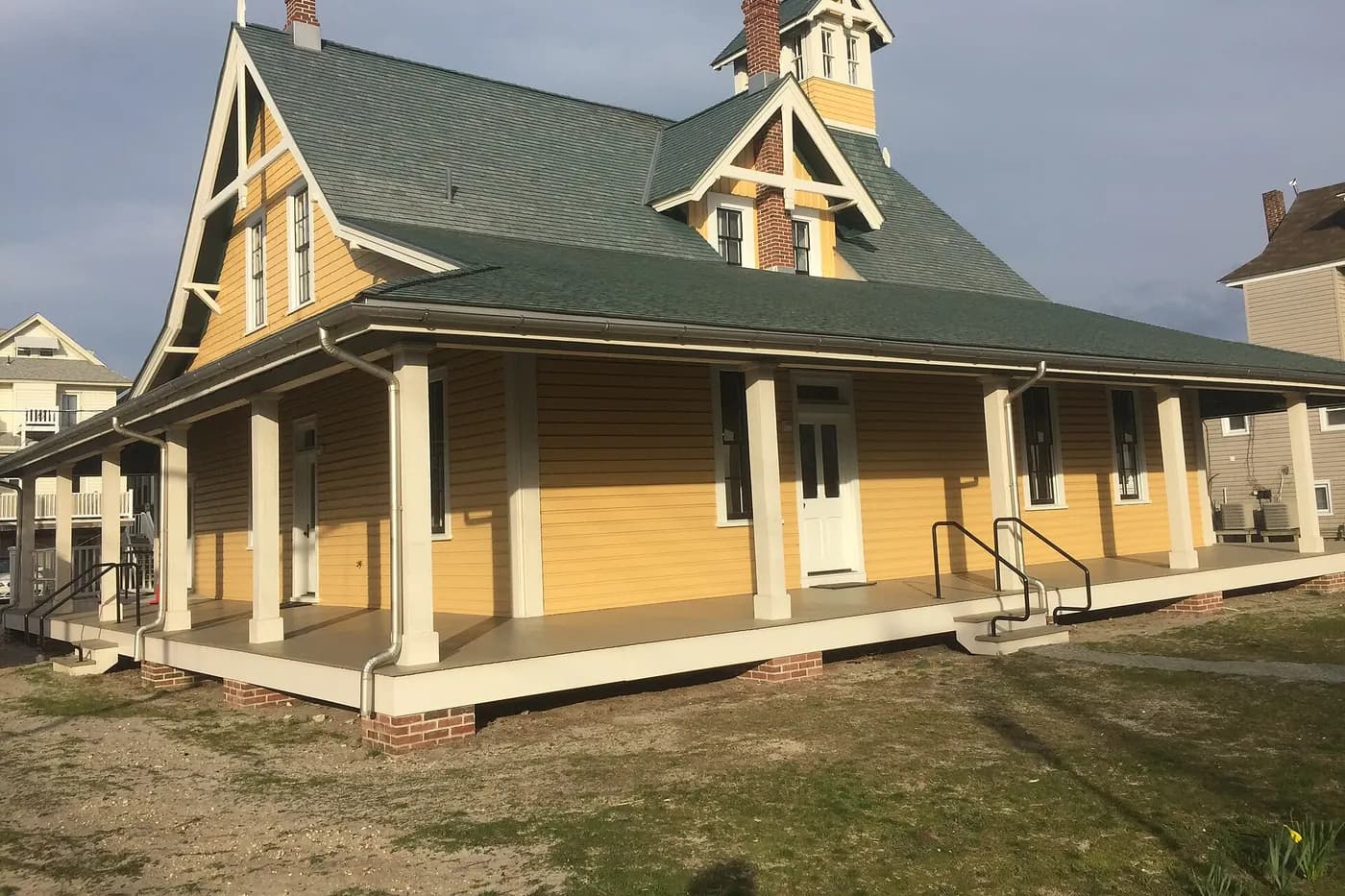
- Steep, complex older roofs
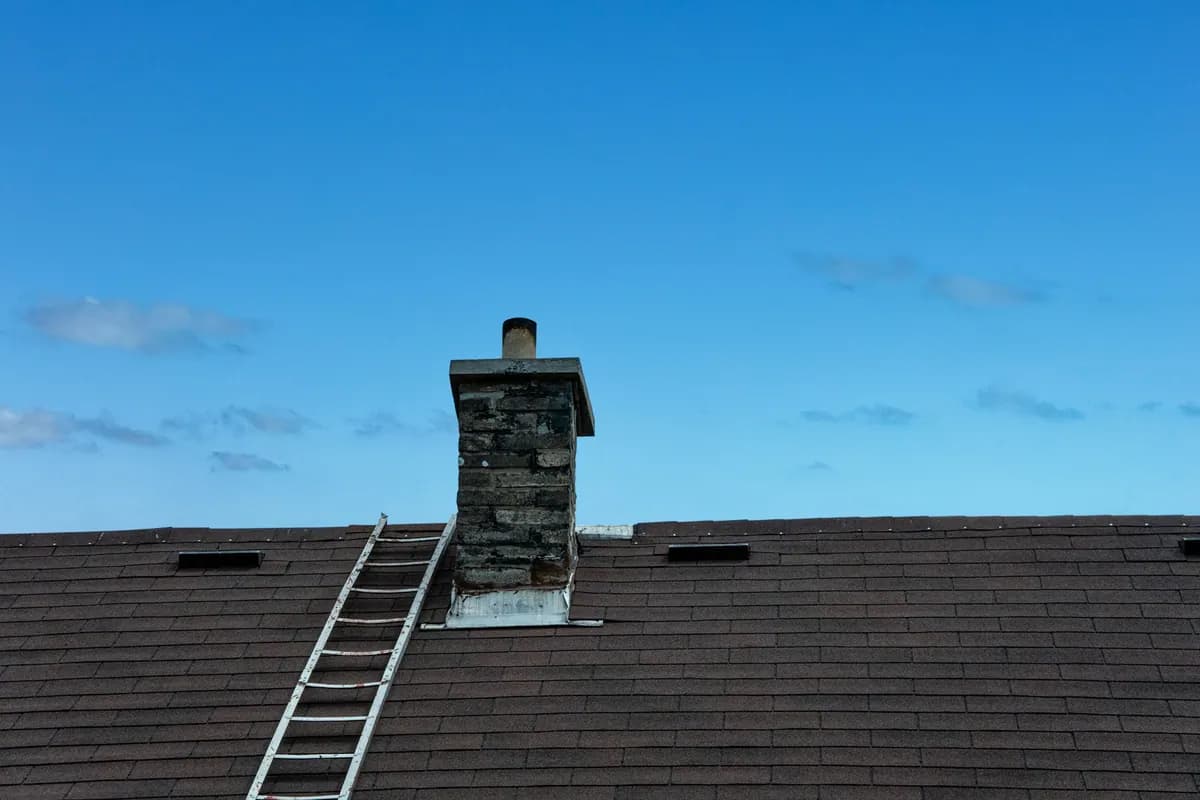
- Many intersecting planes, dormers and chimneys mean many flashing details — each a possible leak point.
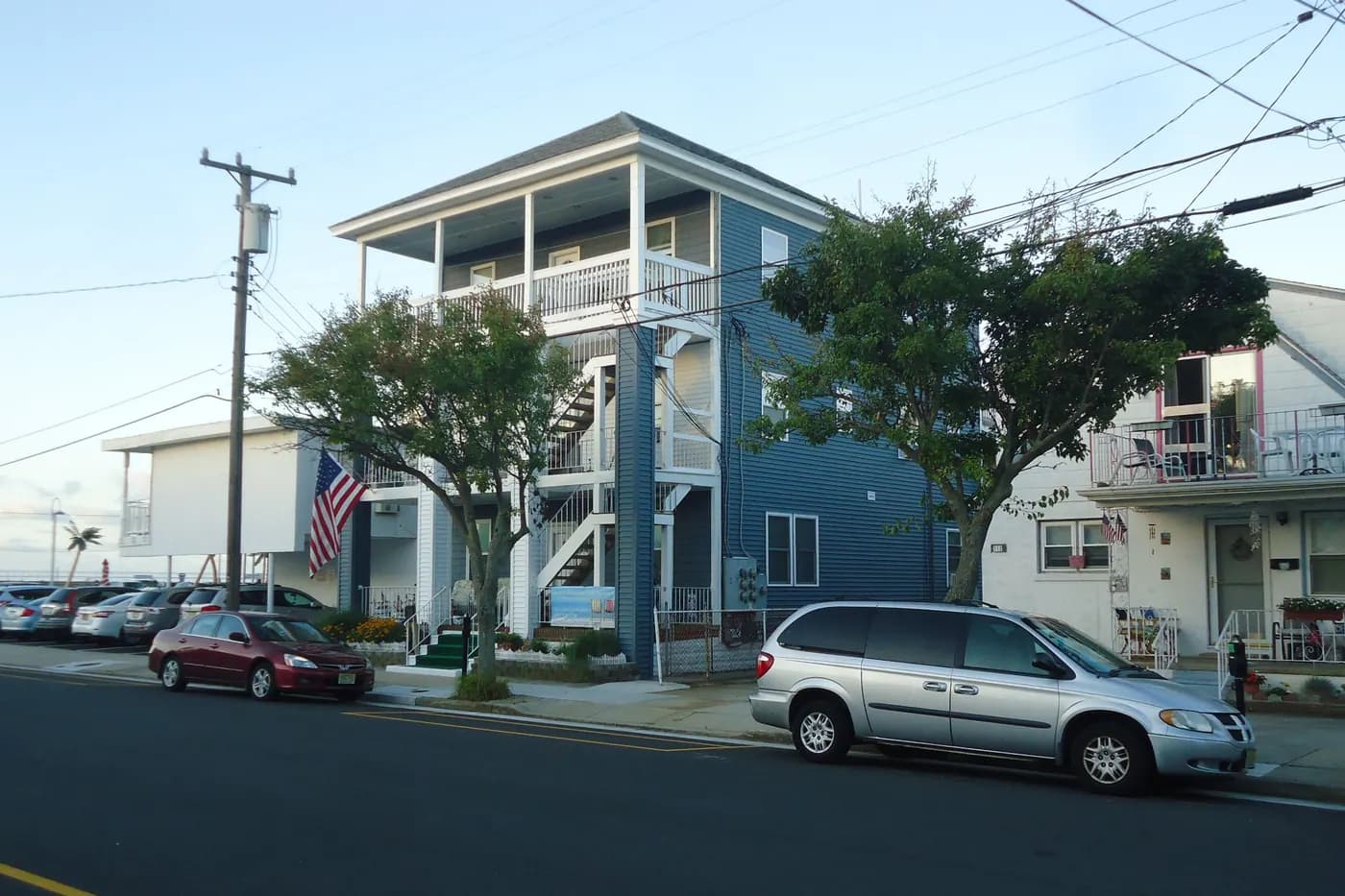
- Raised and multi-storey shore homes
- Height and exposure increase wind load on edges and ridges; access for repair needs planning.
- Low-slope sections
- Porch roofs, rear additions and flat decks over living space need membranes, not shingles.
- Ranch and split-level homes
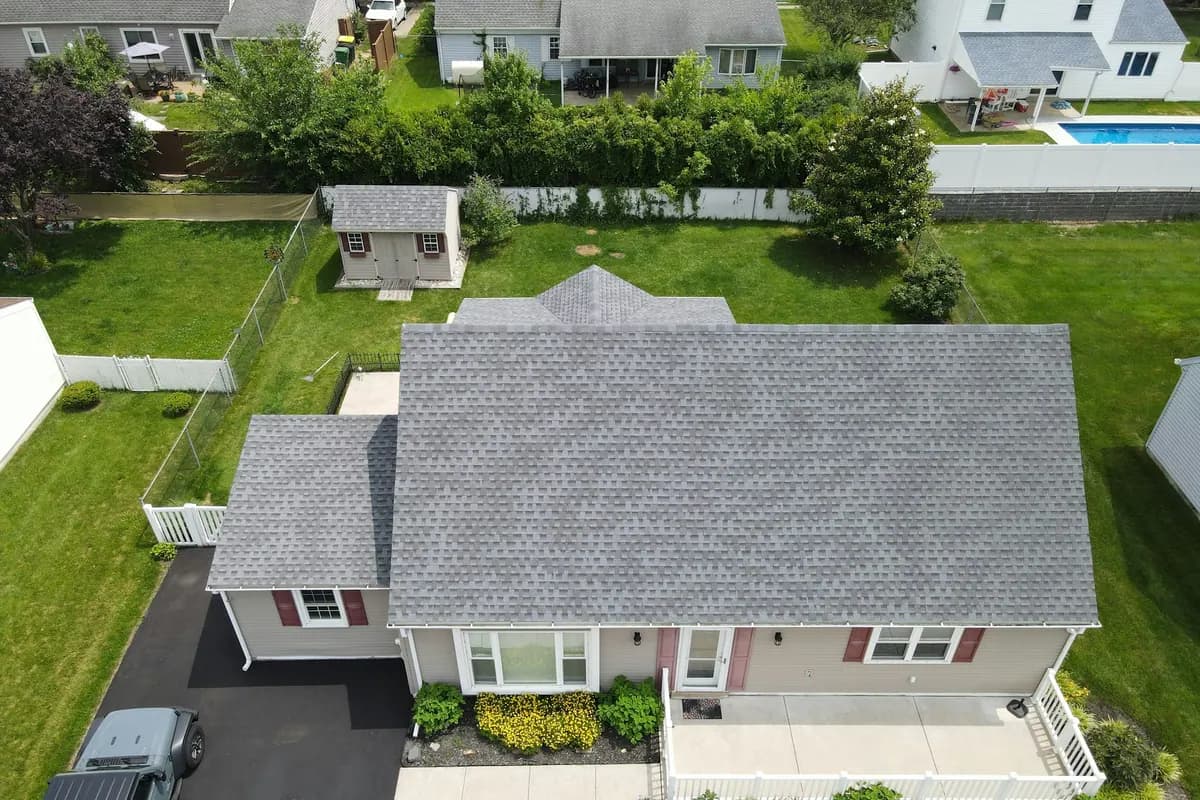
- Simpler roofs, but long eaves and older ventilation can lead to moisture and edge problems.
- Houses under trees
- Debris in valleys and gutters, abrasion from limbs and slower drying after rain.
Living in the house while the roof is worked on
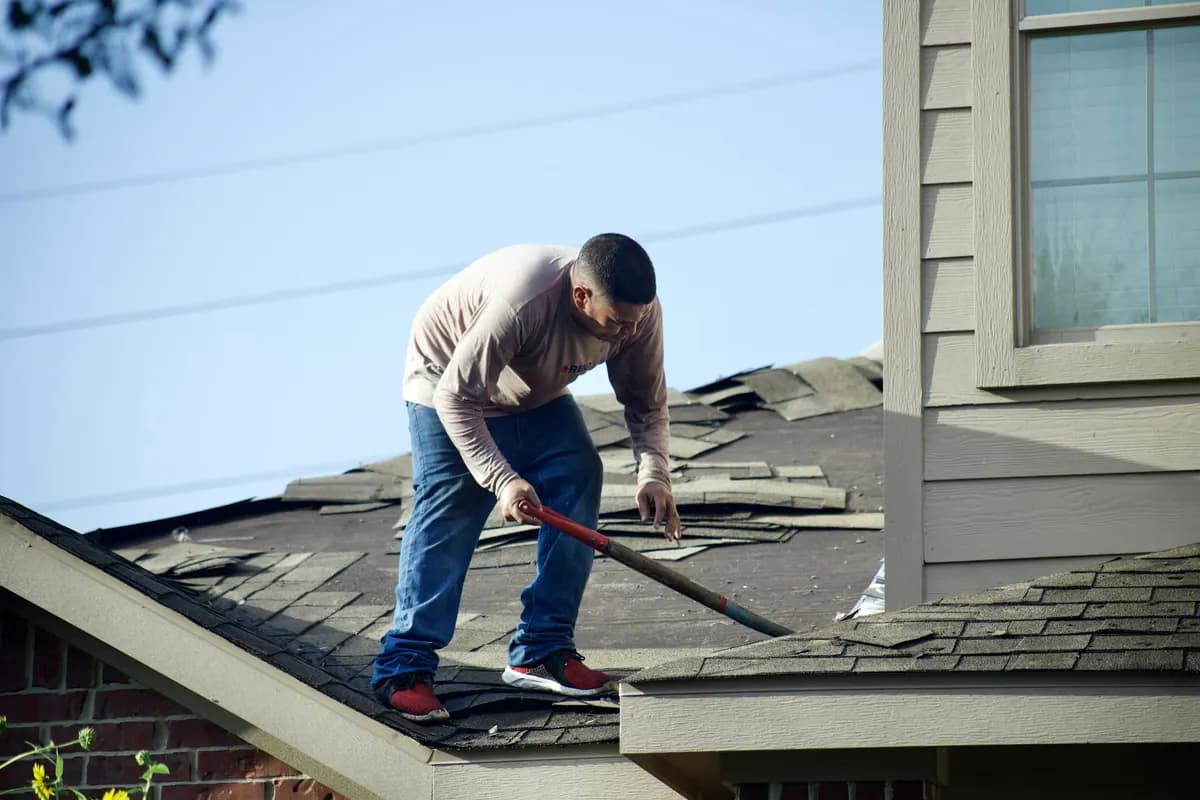
Roof work is noisy, and a tear-off shakes loose dust in attics. Most people stay in the house during a repair or replacement; it helps to clear the attic space beneath the work area where practical, move vehicles from the driveway, and keep pets indoors or away.
For rental properties, the simplest approach is scheduling around bookings. If that is not possible, guests should be told in advance.
Year-round, seasonal and rental homes
A year-round household notices a leak within hours. A seasonal house may not be visited for weeks. For owners who are away, a pre-season and post-storm routine — and knowing who can grant access — matters more than any single material choice.
- Schedule a check before the summer season and after major storms.
- Keep gutters and downspouts clear so water leaves the roof edge.
- Tell tenants or managers what signs of a leak look like and who to call.
Cape May County
What Cape May County housing data tells us
In the 2020 census, most housing units in the barrier-island towns were counted as vacant on census day — a category that includes seasonal and occasional-use homes. In Sea Isle City the share was more than four in five; in North Wildwood close to four in five; in Ocean City and Wildwood Crest roughly three in four. On the mainland — Woodbine, Middle and Upper Townships — a much larger share of homes are lived in year-round.
That split changes the job. A seasonal house benefits from scheduled checks and a clear access plan; a year-round house on a wooded lot benefits more from regular gutter and valley attention.
Questions about residential roofing
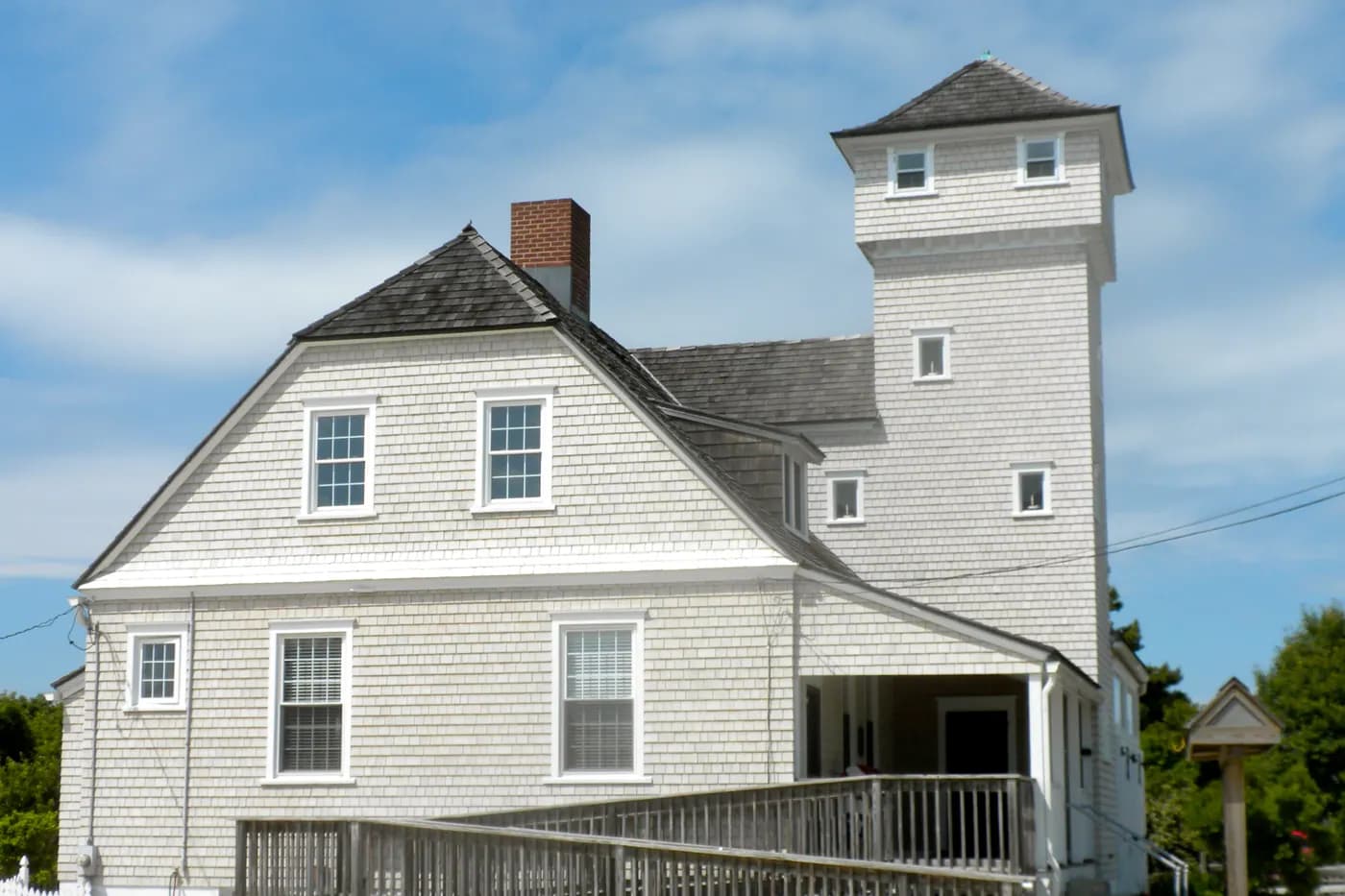
Do you work on older and historic houses?
Yes, we work on older homes, which often have complex rooflines and many flashing details. Properties in designated historic districts may be subject to local review for exterior changes; check with the municipality before choosing materials. We do not provide historic-preservation compliance advice.
My house is rented weekly in summer. When should roof work happen?
Spring and autumn are usually easiest. Plan larger projects well ahead of the season so weather delays do not collide with bookings.
Can you inspect the roof while I am away?
Often, yes, if access to the attic is arranged or not needed. Photographs and a written summary can be shared with you afterwards.