For shore properties that are rented or used seasonally, timing matters as much as materials. Planning the work for the shoulder season, and knowing how the house will be protected each night of the job, is part of a sound replacement plan.
Signs a roof may be approaching replacement
- Shingles curling, cupping or cracking across large areas, not just one slope
- Heavy loss of granules — bare, dark patches and grit collecting in gutters
- Several leaks at different details within a season
- Soft or spongy areas underfoot, or sagging between rafters
- Repeated wind damage after every significant storm
- A roof you know has already been layered over once
Repair or replace: making the call on an aging roof
Age alone is not a reason to replace a roof, and a new-looking roof is not necessarily a sound one. The decision rests on condition: how brittle the shingles are, how widespread the wear is, whether the deck is holding fasteners, and how often the roof has needed attention lately.
If most of the roof is in reasonable shape and the problem is local, repair is usually the better value. If the same kinds of failure are appearing across the roof, patching becomes a cycle. An assessment should show you what was found — ideally with photographs — so you can weigh the choice yourself.
What a full replacement includes, layer by layer
Scope varies with the house, the roof system chosen and what is found once the old roof is off. On an asphalt shingle roof, a complete replacement typically covers these components:
- Tear-off
- Removal of existing roofing down to the deck, so hidden damage can be seen and fixed rather than covered over.
- Deck review and repair
- Soft, rotted or delaminated sheathing is replaced; loose boards are re-fastened. Any extra deck work should be explained before or as it is found.
- Underlayment
- A continuous water-shedding layer over the deck, lapped correctly, beneath the shingles.
- Ice and water protection
- Self-adhering membrane at eaves, valleys and around penetrations where codes and conditions call for it.
- Drip edge
- Metal edge at eaves and rakes that directs water into the gutter and protects the deck edge from wind-driven rain.
- Flashing
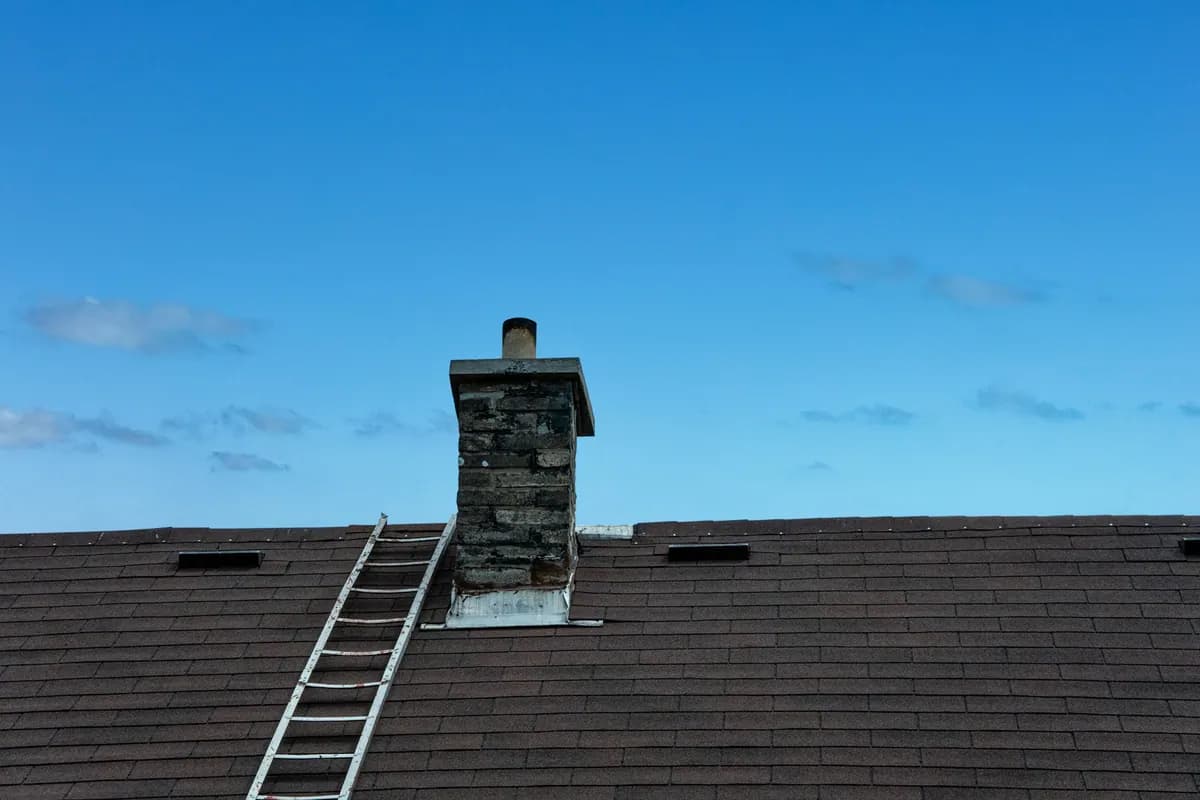
- Step, counter, apron and valley flashing replaced or rebuilt rather than simply reused.
- Starter and field shingles
- Starter shingles along eaves and rakes seal the first course against wind uplift; field shingles installed to the manufacturer's fastening pattern.
- Ventilation
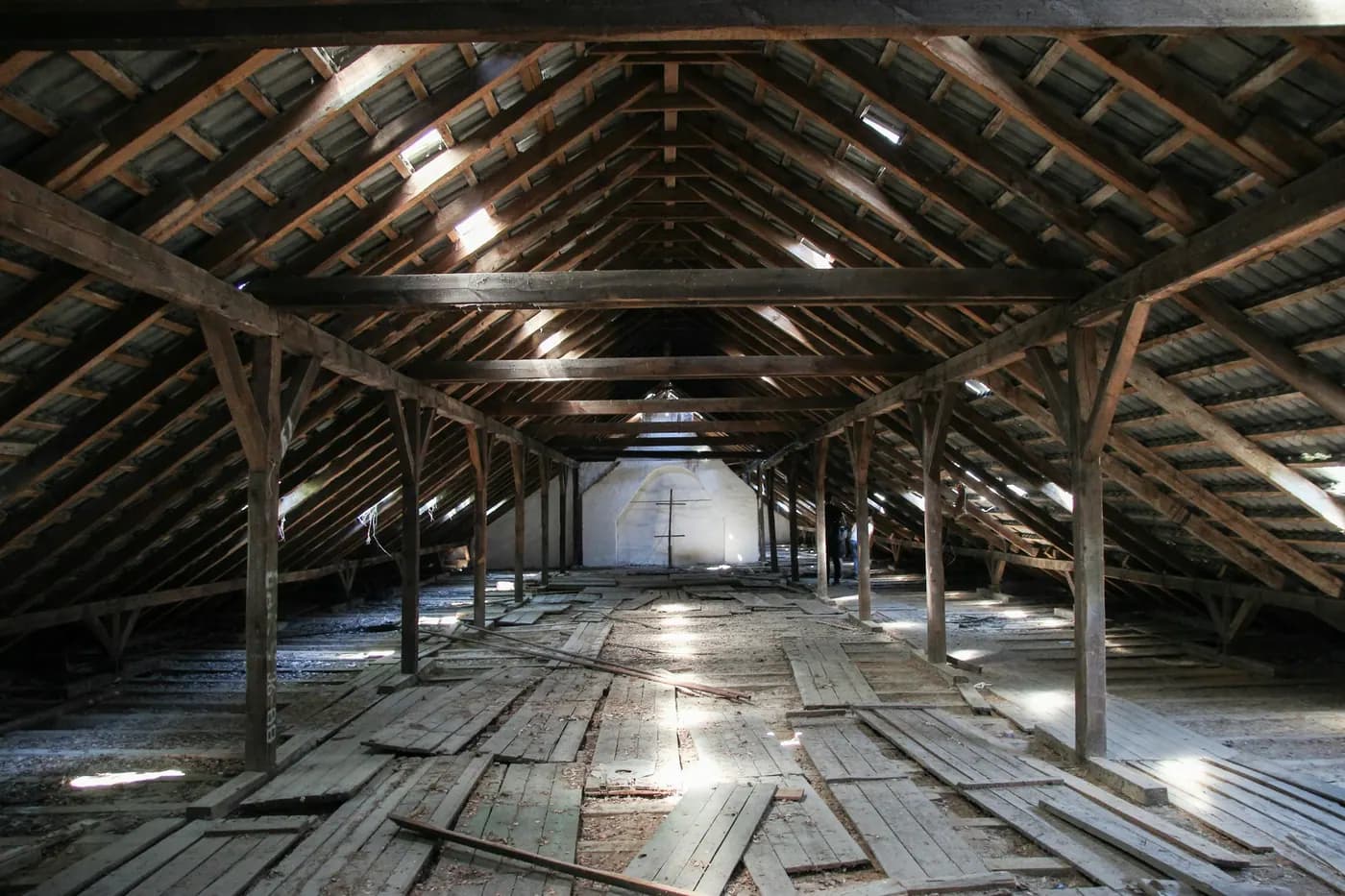
- Intake and exhaust balanced so the attic can breathe — often ridge vent with soffit intake, depending on the house.
- Ridge cap
- Capping shingles along ridges and hips, secured for the exposure of the site.
- Cleanup
- Debris removal, magnetic sweep for nails, gutters cleared of grit and offcuts.
What to settle before work starts
A good replacement proposal is specific. Before agreeing to one, it is reasonable to know:
- Which roofing system and product line will be installed, and in what colour
- How deck repairs found after tear-off will be handled and priced
- Whether flashing will be replaced and where
- How the attic will be ventilated after the work
- How the house will be protected overnight and if weather turns mid-job
- Who handles permits and inspections required by the municipality
- What written warranty terms apply — manufacturer and workmanship — and where they are documented
Warranty coverage depends on the specific products and the written contract. Ask to see the terms in writing; do not rely on verbal descriptions.
From first visit to final walk-through
- 1Condition assessmentRoof surface, attic, flashing, ventilation and drainage looked at together, so the proposal reflects the whole roof.
- 2Written proposalSystem, scope, known extras, how unknowns such as deck damage are handled, and the expected schedule.
- 3Scheduling around the propertyOccupancy, rentals, access for materials and dumpster placement, and forecast all factor into the start date.
- 4Tear-off and dry-inOnly as much roof is opened as can be dried-in the same day.
- 5InstallationDeck repairs, underlayment and membranes, edge metal, flashing, shingles, ventilation and ridge.
- 6Cleanup and reviewSite cleaned, gutters cleared, and the finished roof reviewed with you.
Cape May County
Replacement planning for shore and seasonal properties
Across Cape May County a large share of homes are second homes or seasonal rentals — in the 2020 census, most housing units in Sea Isle City, North Wildwood and Ocean City were counted as vacant, a category that includes seasonal homes. For those owners, the practical questions are when the house can be empty, who can give site access, and how to avoid a half-finished roof over a booked week.
Exposure also shapes the details. A house near an inlet or on the oceanfront block takes more wind than one tucked into a mainland neighbourhood, so edge metal, starter courses and ridge fastening deserve particular attention there.
Questions about roof replacement
Can new shingles go over the old ones?
Sometimes codes allow a second layer, but a full tear-off lets the deck, flashing and edges be inspected and corrected. Layering over also adds weight and can hide problems. On most replacements we recommend removing the old roofing.
How long does a replacement take?
It depends on the size and complexity of the roof, what is found under the old roofing, and weather. A simple roof may take a day or two; complex roofs with many dormers, valleys or deck repairs take longer. You will get an expected schedule in the proposal.
Do I need to be there during the work?
Not necessarily. Many seasonal owners arrange access and are updated remotely. We do need to know how to reach you if hidden damage is found that changes the scope.
Will insurance pay for my new roof?
That is decided by your insurer under your policy, not by a roofer. If storm damage is involved we can document the roof's condition for you, but no contractor can promise a claim outcome.