Older homes
Roof Repair vs Replacement for an Older Shore Home
A decision guide for owners of older shore houses: what points to repair, what points to replacement, and how rental timing fits in.
· 6 min read · Cape May Roofing Experts
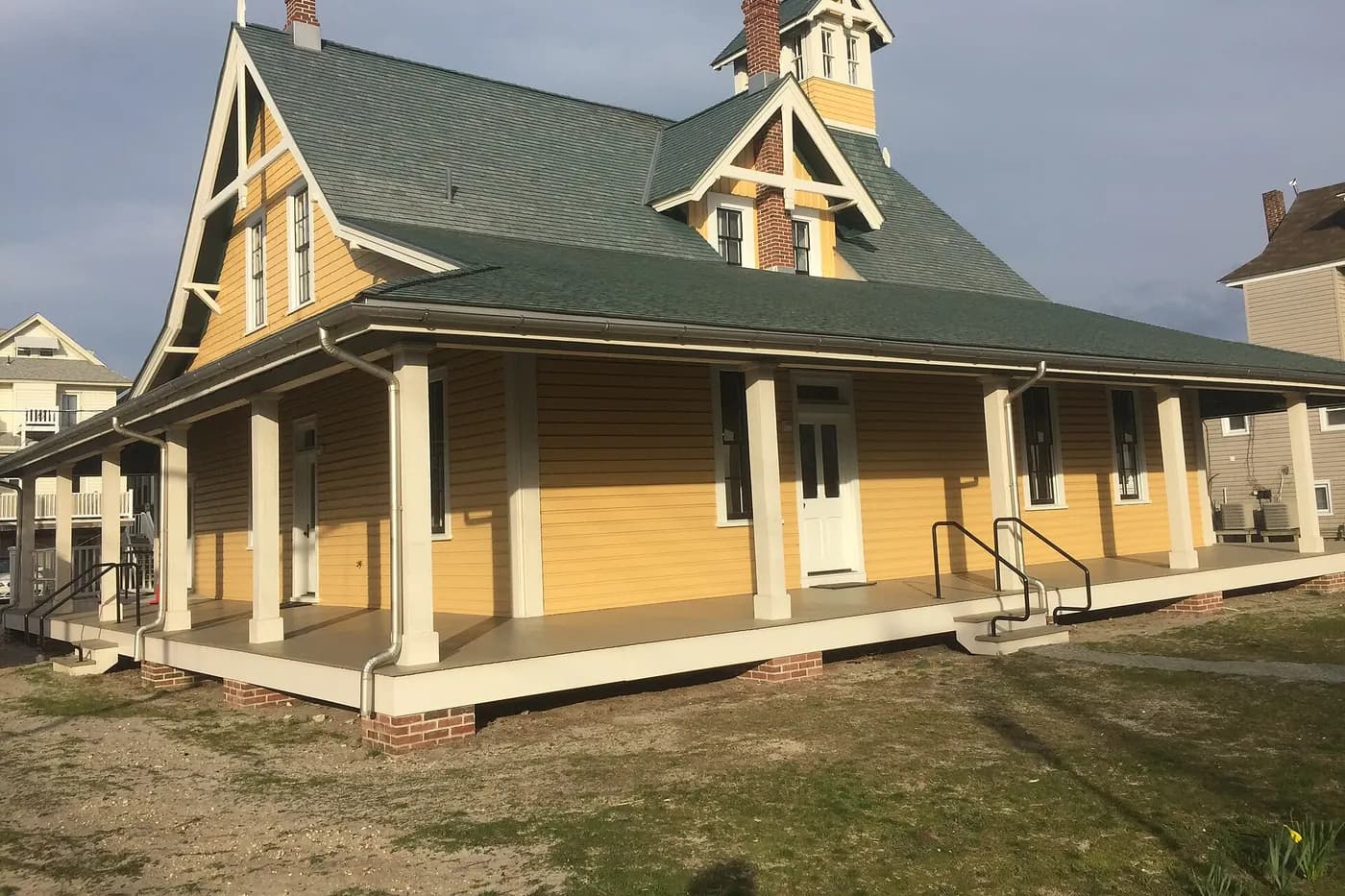
Photo: Andrew Hink / Wikimedia Commons (CC BY-SA 4.0). Credits
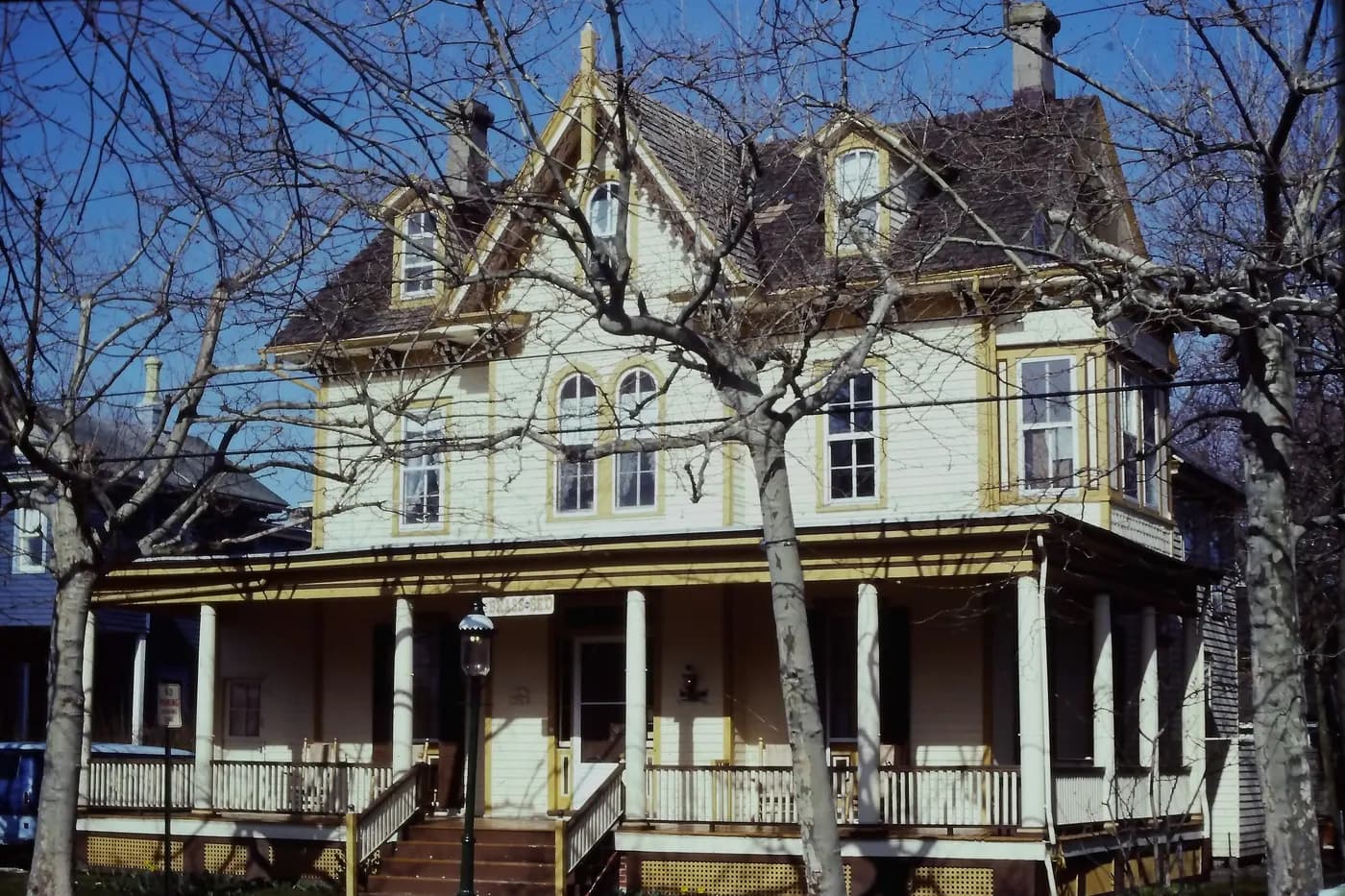
Older shore houses often have roofs with history: layers from earlier re-roofs, flashing patched many times, repairs in different shingles. When a new leak appears, the question is whether one more repair makes sense.
Signs that point to repair
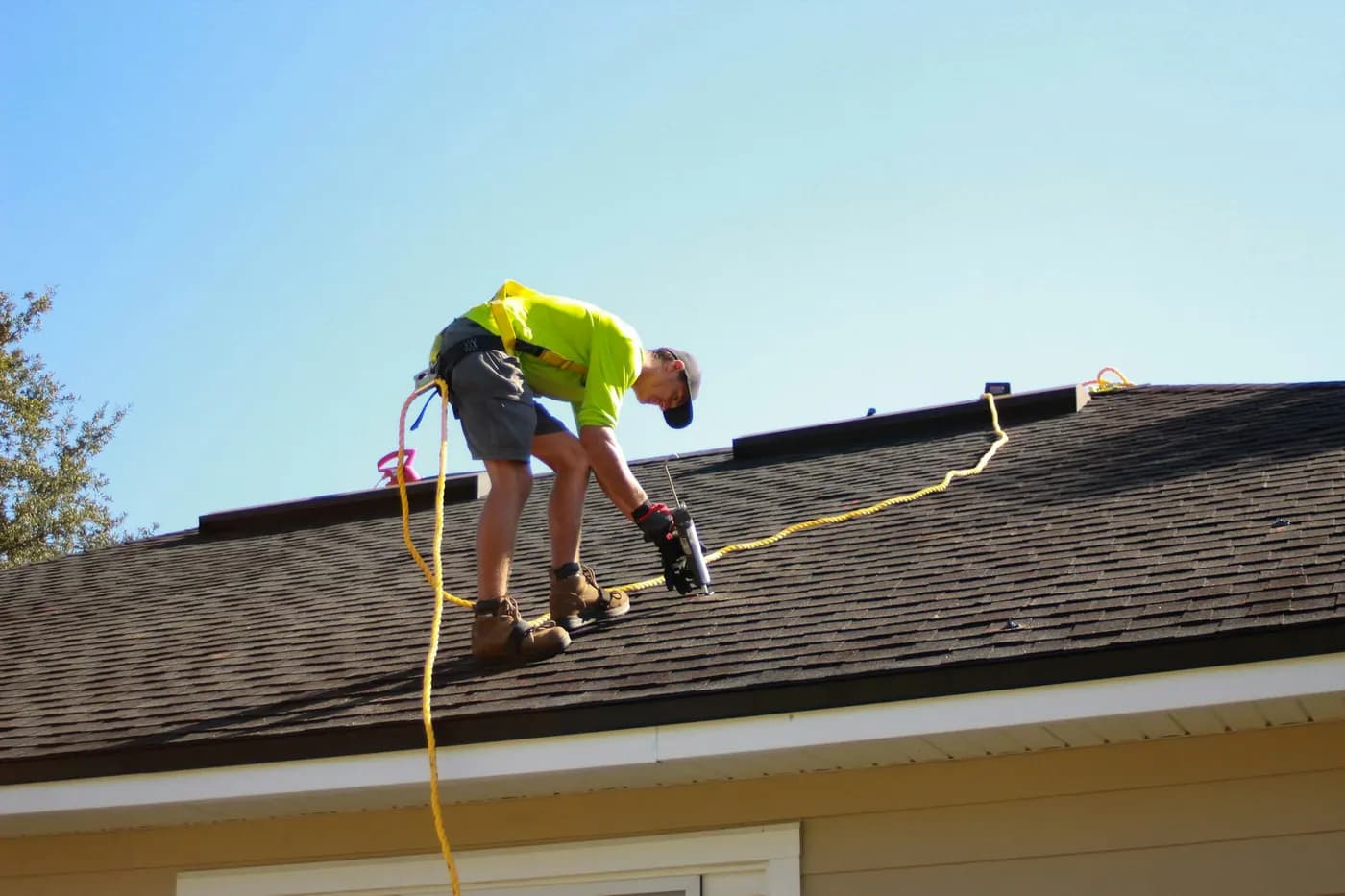
- The problem is local — one flashing, one pipe boot, one storm-damaged area.
- Shingles elsewhere are flexible and holding granules.
- The deck is solid around the problem.
- Leaks have been rare.
Signs that point to replacement
- Shingles brittle, curling or cracking across many slopes.
- Several unrelated leaks in a short period.
- Repeated wind losses after every storm.
- More than one layer of roofing already.
- Soft or sagging deck areas.
Timing around the season
For rentals and second homes, a sensible middle path is common: a solid repair now to get through the season, with replacement planned for autumn or spring. That only works if the repair is honest about being temporary where it is.
Questions to ask
- What exactly failed, and why?
- Is anything else close to failing?
- Will this repair hold, or is it buying time?
- If we replace, what would the scope include — deck, flashing, ventilation?
- When could the work fit around our occupancy?
The bottom line
Local problems on a sound roof are repairs; widespread wear, repeated leaks and multiple layers point to planning a replacement — ideally off-season.