Drainage · 5 min read
How Gutters Help Protect Roof Edges During Heavy Rain
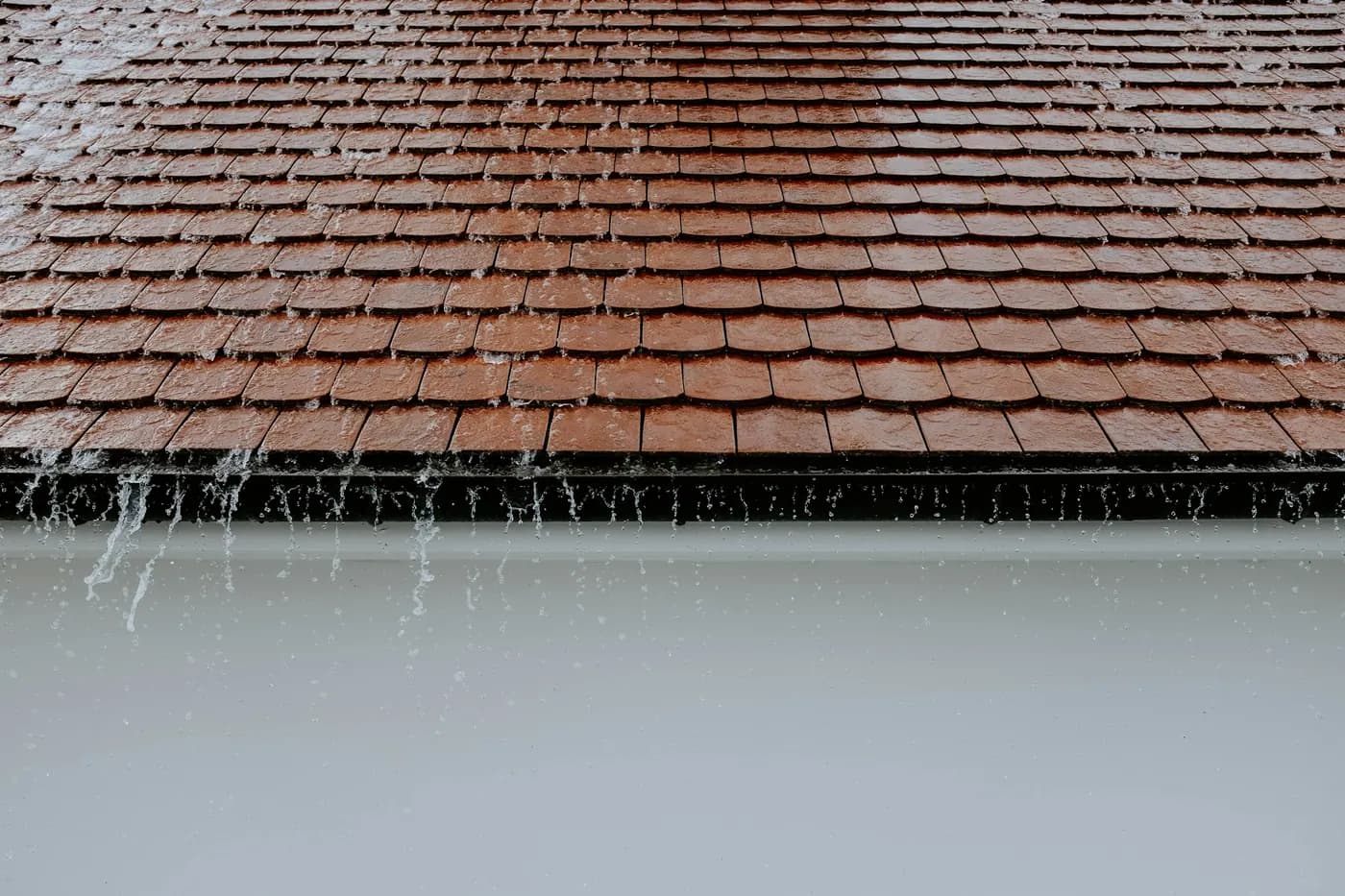
Drip edge, gutter, downspout, ground: the four links that keep a heavy rain away from fascia, walls and foundations.
Roofing for homes and commercial buildings across all 16 Cape May County municipalities
Storm damage or an active leak? Call (914) 906-5748
Borough of West Cape May
A small borough just inland of Cape May City, with farmhouse roots, 19th-century houses and a record for rain.
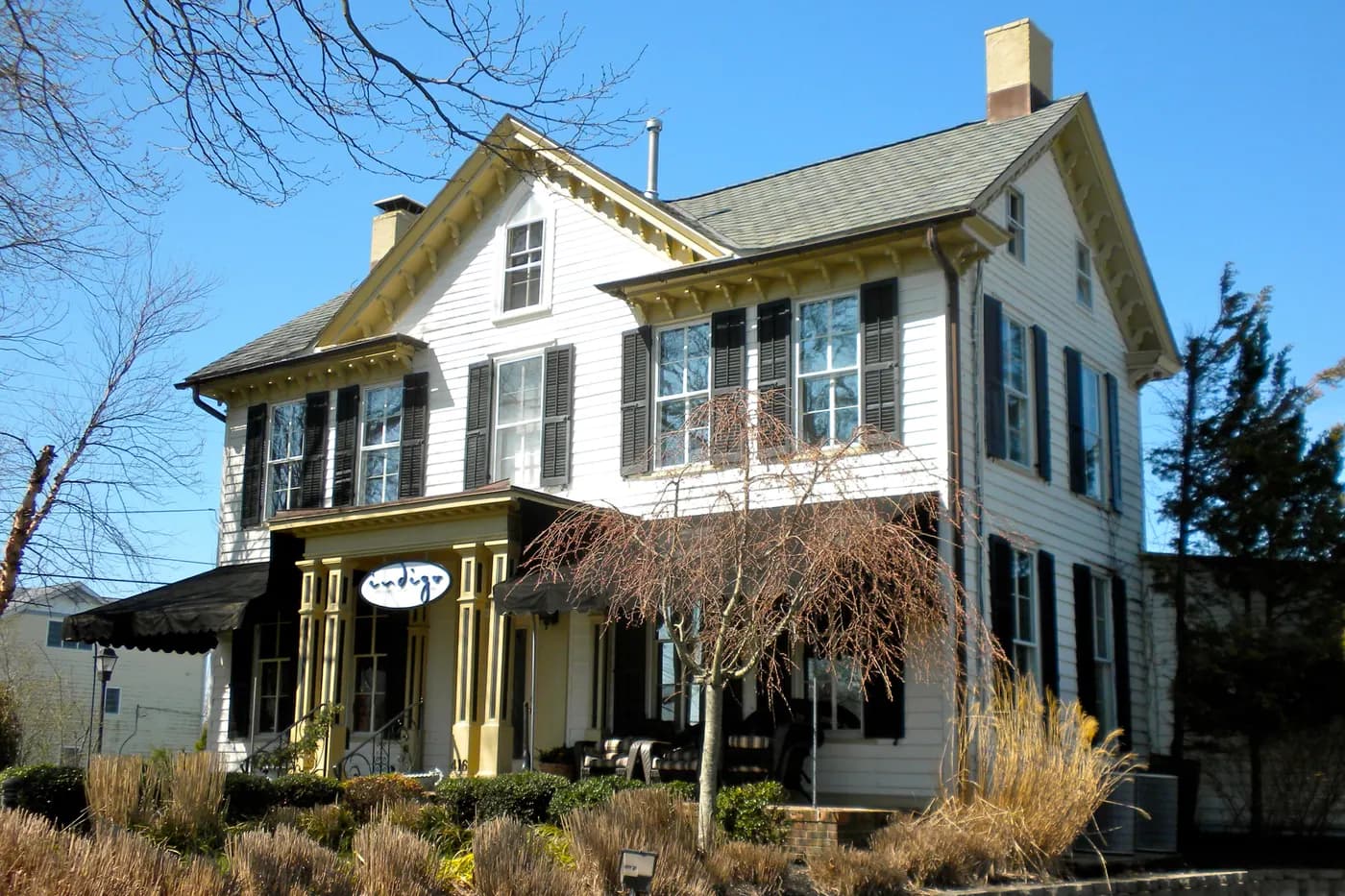
Photo: Smallbones / Wikimedia Commons (Public domain). Credits
West Cape May is often mistaken for part of Cape May City, but it is its own borough — about a square mile, just inland of the city, incorporated in 1884. It has no oceanfront. Its character comes from its agricultural past, still celebrated with a farmers' market and festivals for strawberries, tomatoes and lima beans, and from its older houses, from farmhouses to Victorian-era homes.
For roofs, one fact stands out: when Hurricane Sandy came through in October 2012, West Cape May recorded 9.53 inches of rain — more than anywhere else in New Jersey. Heavy rain, more than salt spray, is the weather to plan for here.
Historic setting
West Cape May has older and historically significant houses, including National Register-listed properties. Owners should check with the borough about any review requirements before changing roofing materials; we do not provide preservation-compliance advice.
The place
West Cape May borders Cape May City and Lower Township and sits entirely on land, set back from the ocean. The borough runs under the Walsh Act commission form of government and has about a thousand residents. Houses such as the Whilldin-Miller House on South Broadway, listed on the National Register, and the Wilbraham Mansion — a c.1840 farmhouse enlarged in 1900 — reflect its long history.
The houses
Housing includes 19th-century farmhouses, some of them expanded with later wings, Victorian-era houses, modest cottages and newer homes. Older houses often combine roof sections built at different times, which means more transitions and flashing details than a single-period roof.
Many older West Cape May houses were enlarged over the decades — a wing here, a porch or dormer there. Each addition created a new junction between roof sections. Those junctions, rather than the open roof surfaces, are where most leaks on these houses begin.
The borough's Sandy rainfall record is a useful benchmark. Gutters and downspouts that cope with a normal storm can be overwhelmed by several inches of rain in a day. Checking gutter size, downspout count and discharge points is worthwhile, especially where valleys dump concentrated water into one corner.
Chimney, wall and dormer flashing on older houses has often been patched rather than rebuilt. A lasting repair usually means removing old patching and installing new step and counter flashing correctly lapped with the roofing.
Leaks on houses with several roof sections can travel before they show. Tracing starts from the stain and works back through the attic to the likely junction or flashing detail.
A full replacement on an older house is the chance to rebuild every flashing detail, correct the transitions between sections and improve ventilation. If the house is historically significant, confirm material requirements with the borough first.
Older houses often lack balanced attic ventilation. Adding intake and exhaust during a replacement helps control moisture and heat in the attic.
After heavy-rain storms, check ceilings, especially below valleys and where additions meet the original house. After wind storms, look for lifted shingles and fallen limbs.
Weather
Sandy's record rainfall here is a reminder that prolonged heavy rain can overwhelm gutters and find weak flashing. Nor'easters and tropical systems bring both wind and sustained rain.
Drainage
Houses expanded over time often have valleys and roof sections that concentrate water in a few places. Gutters sized for ordinary rain can be overwhelmed in extreme events; downspouts need clear, direct paths away from foundations.
West Cape May homes most often need these services:
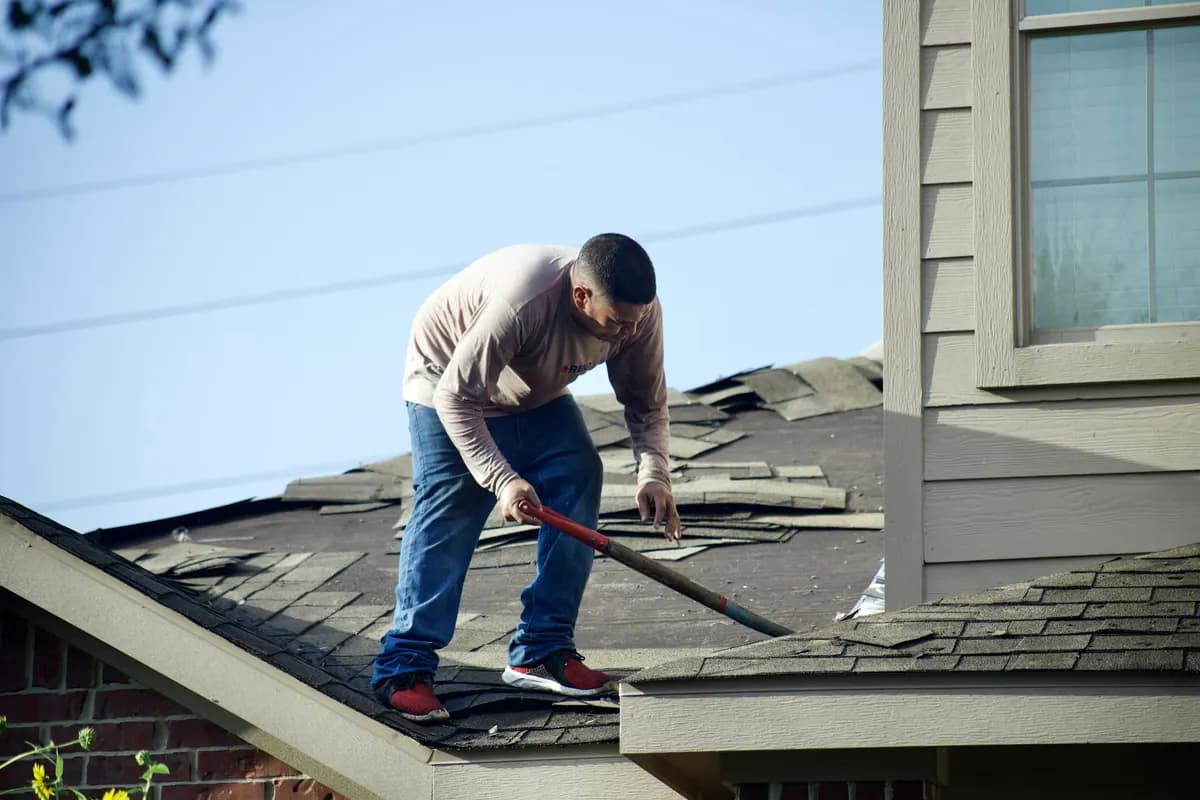
Finding where water is actually getting in — flashing, pipe boots, valleys, lifted shingles, roof edges — and fixing that, rather than the stain it left.
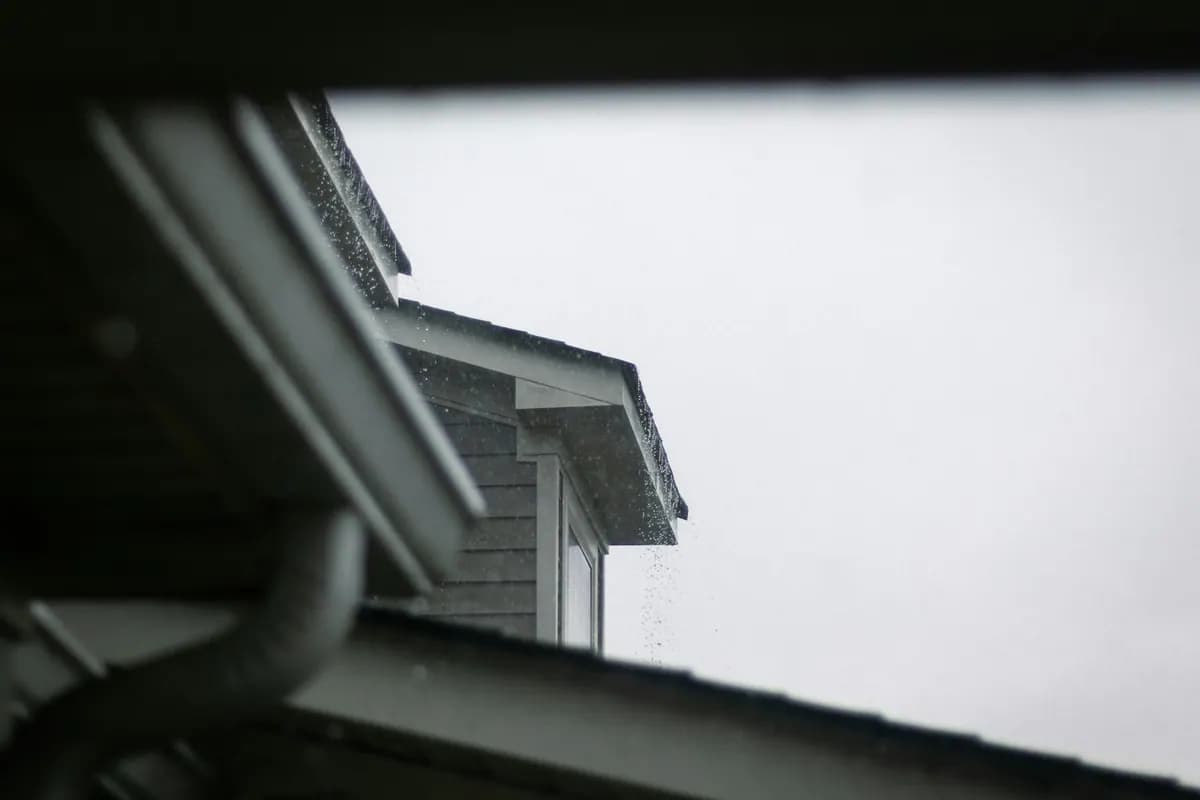
Gutters and downspouts treated as part of the roof: repair, replacement and re-pitching so water leaves the roof edge instead of backing into fascia and walls.
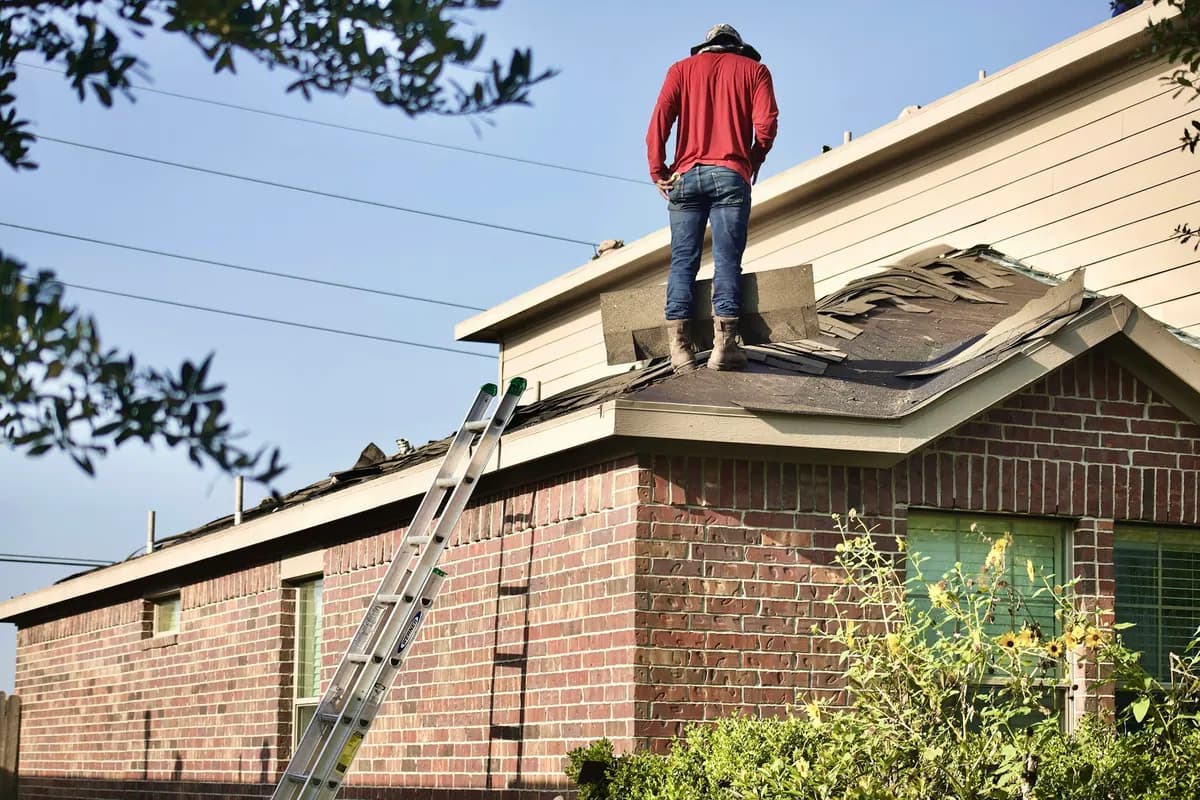
A complete tear-off and rebuild — deck review, underlayment, edge metal, flashing, ventilation and ridge — planned around the house and the season.
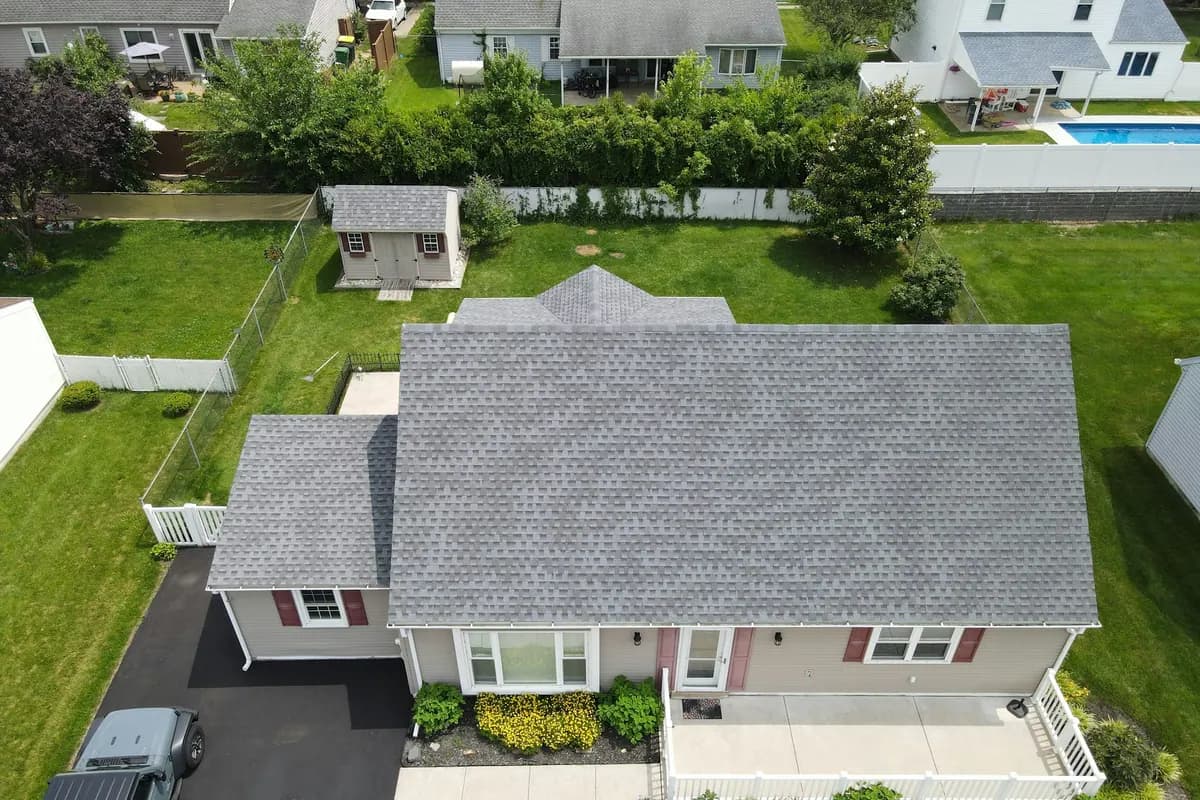
Roofing for the county's full range of houses — Victorian cottages, raised shore homes, duplexes, ranches and farmhouses on wooded mainland lots.
West Cape May questions
No. West Cape May is a separate borough, incorporated in 1884, bordering Cape May City and Lower Township.
Possibly, or more downspouts, or better handling at valley outlets. An inspection during or after heavy rain shows where water is overwhelming the system.
Most often at the junctions between sections — valleys, wall flashing where a lower roof meets a taller wall, and where porches tie in.
Drainage · 5 min read
Drip edge, gutter, downspout, ground: the four links that keep a heavy rain away from fascia, walls and foundations.
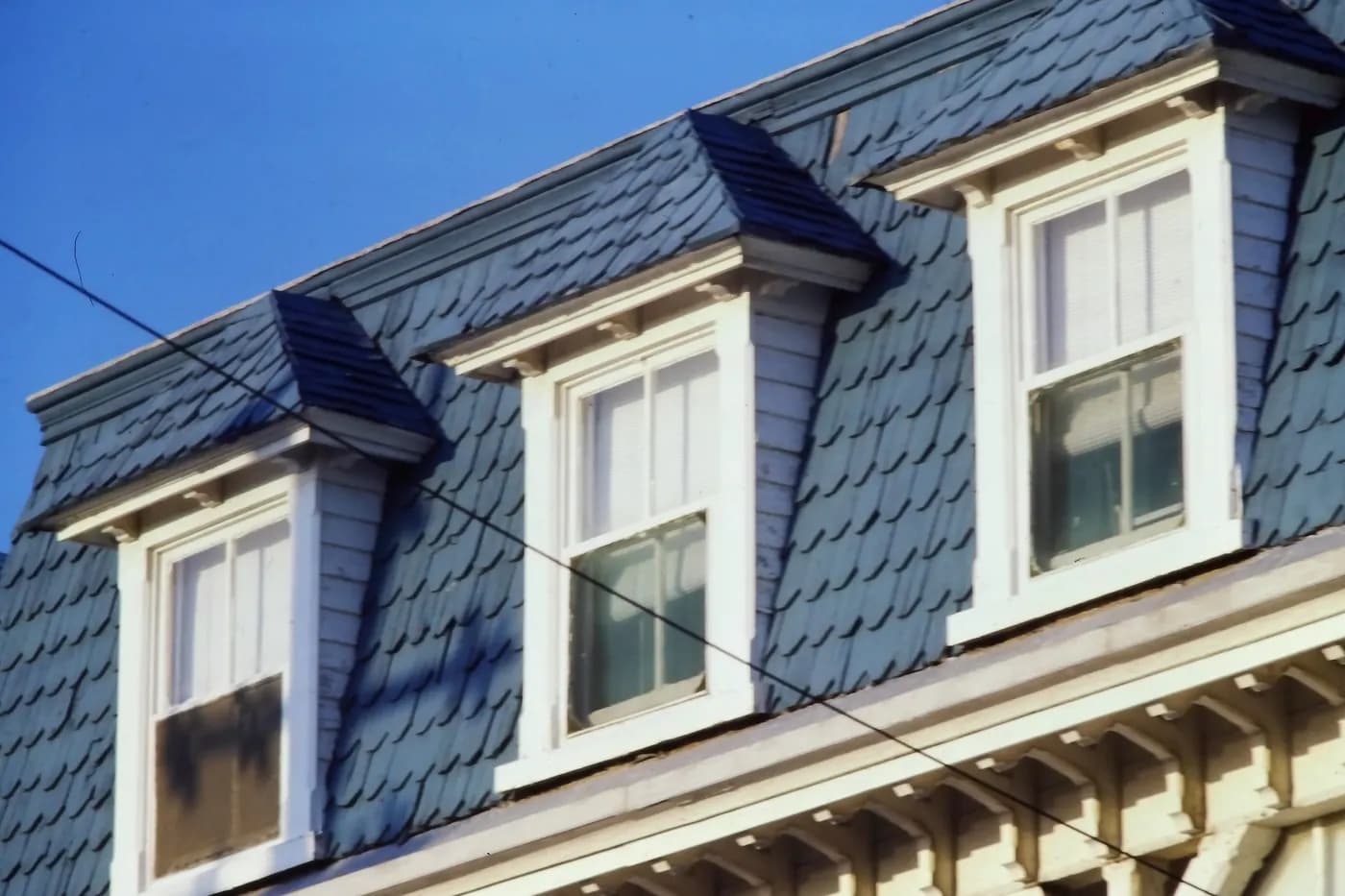
Older homes · 7 min read
Step, counter, apron and head flashing — how they are meant to work, why they fail on older houses, and why caulk is not a fix.
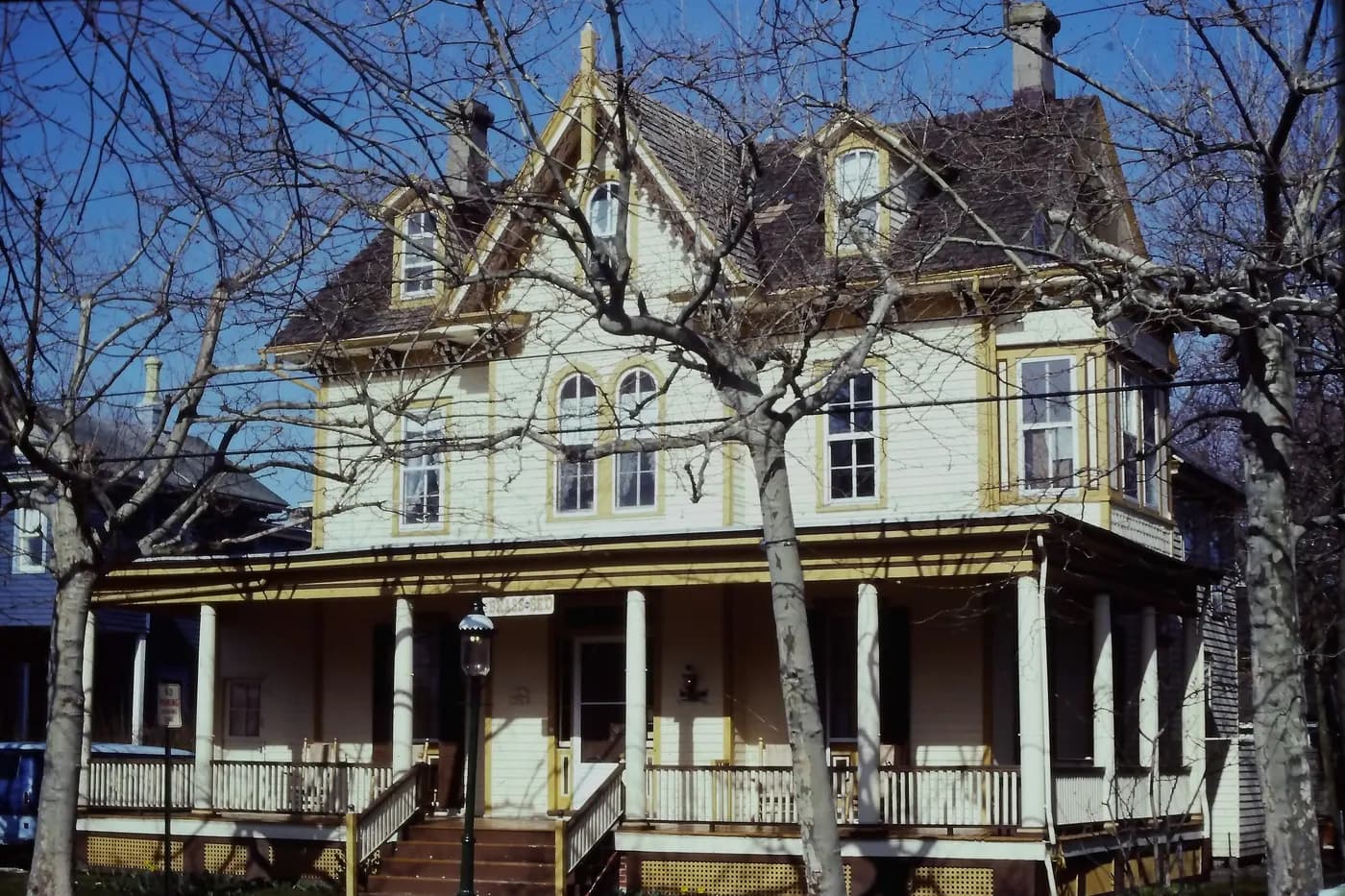
Older homes · 7 min read
Older houses hide surprises under the shingles. What to expect, what to ask, and what to settle before tear-off day.
Roof evaluation request
Tell us about the property and what you are seeing. If you are away from your West Cape May property, say so and we will ask about access.
Roofing for the Borough of West Cape May, Cape May County, New Jersey. This page describes an area we serve; we do not claim an office in West Cape May.