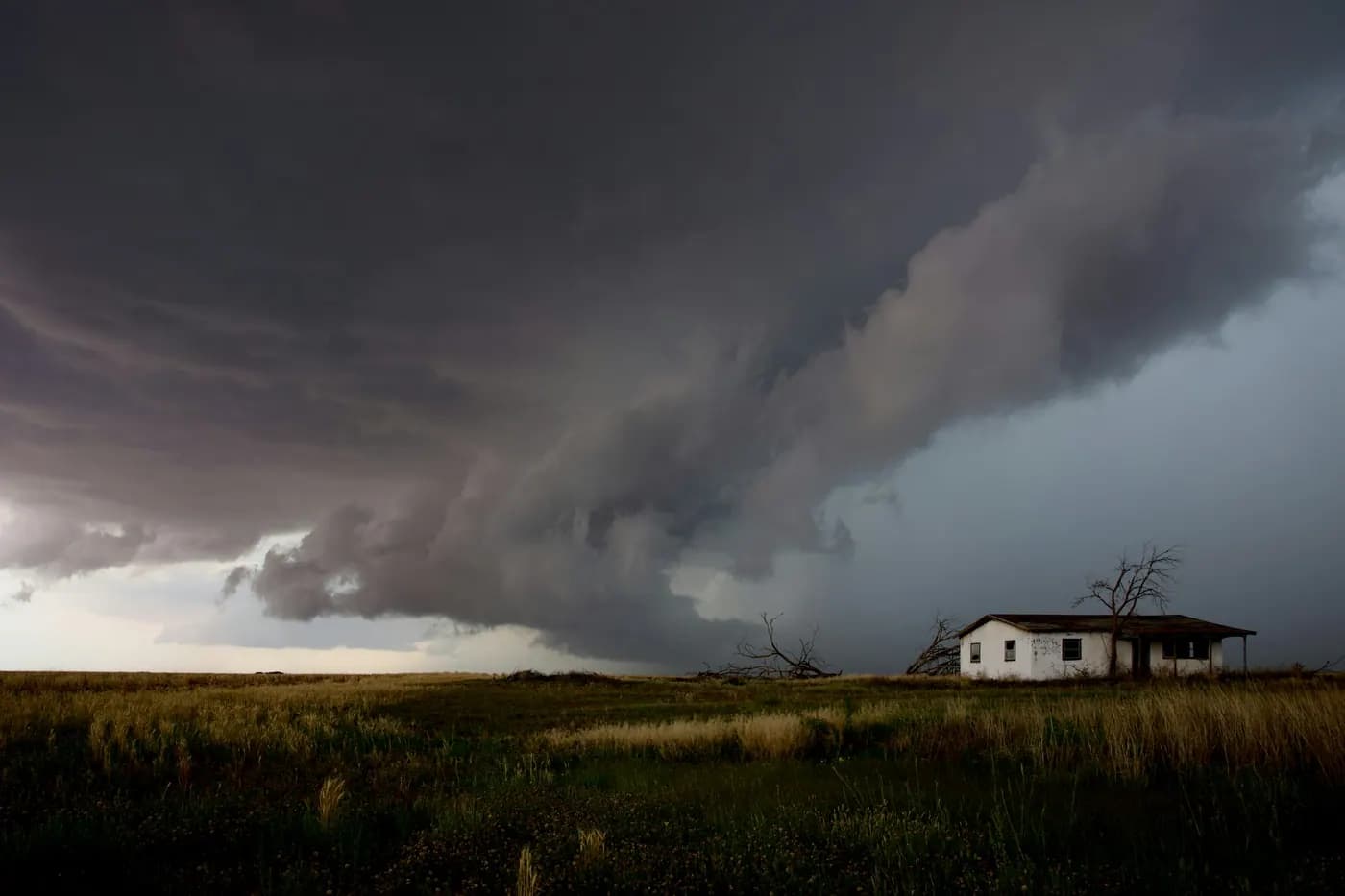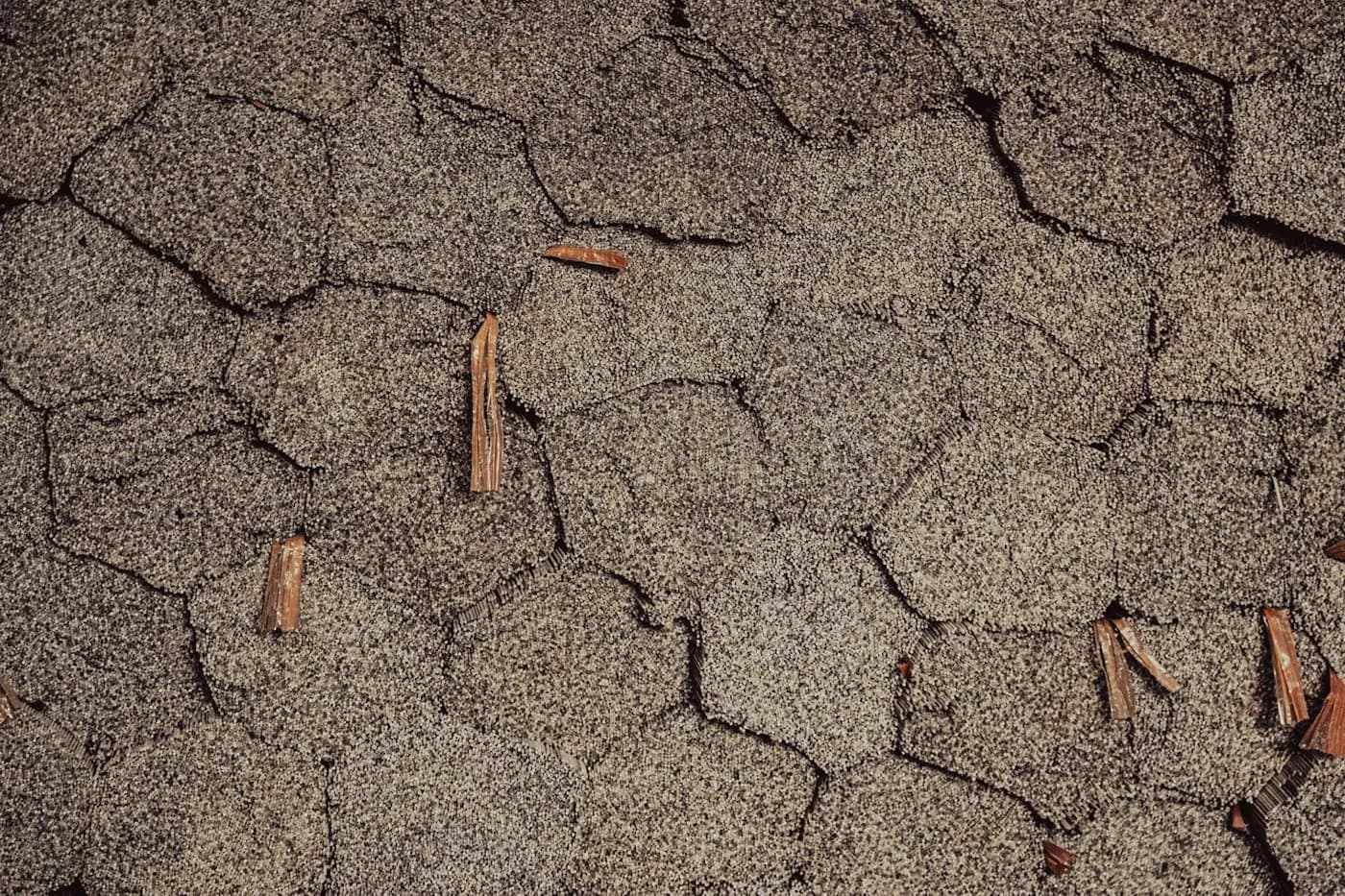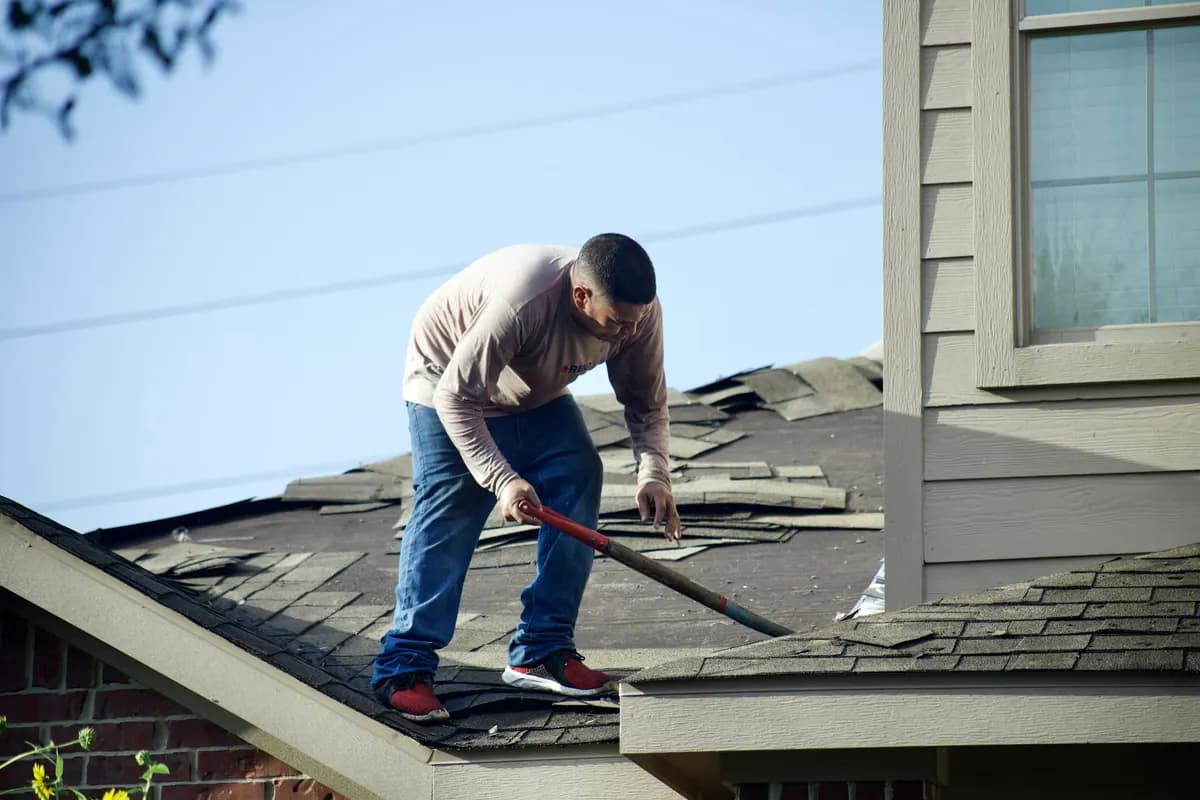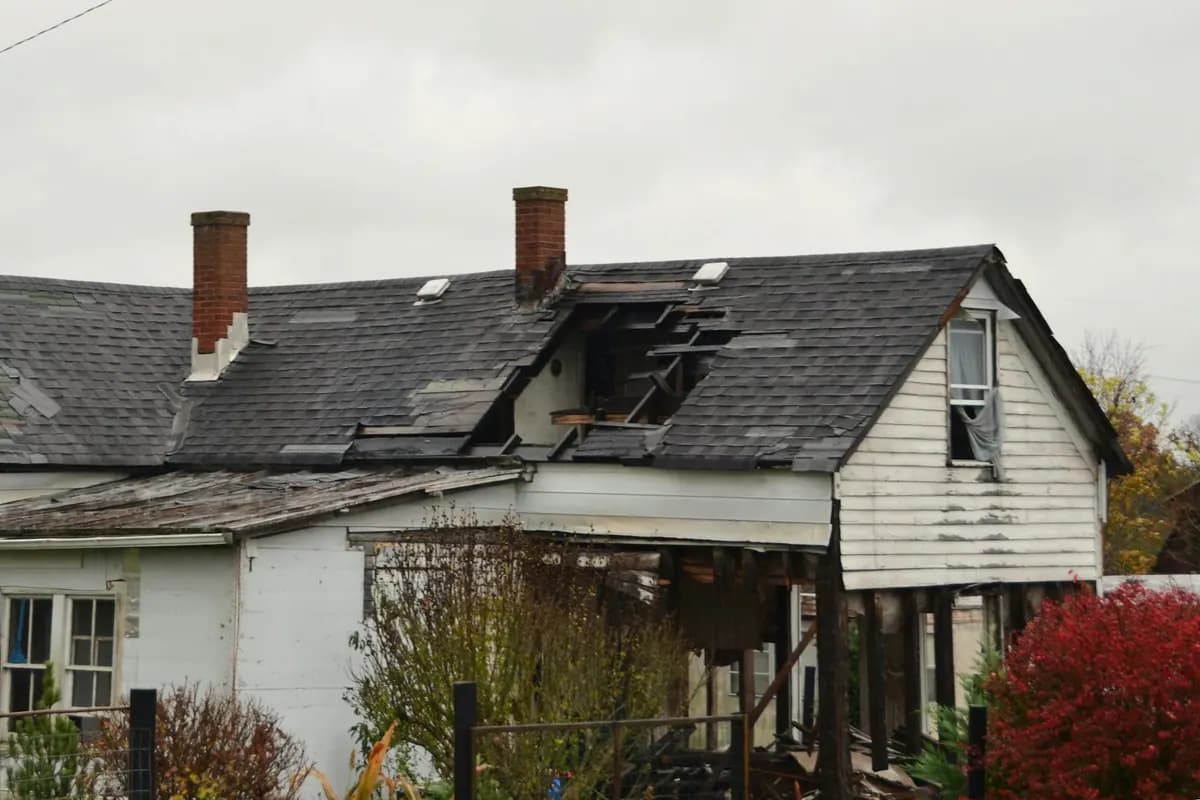
Storm damage is not always obvious from the ground. A shingle can be lifted, its seal broken and its nails loosened, then settle back flat. It looks fine until the next blow finishes the job. A careful post-storm evaluation looks for that kind of damage as well as the obvious gaps.
After a storm, look for
- Shingles, ridge caps or pieces of edge metal on the ground
- Exposed underlayment or bare deck, often near edges, ridges and corners
- Creased or folded shingles — a sign they were lifted and bent back
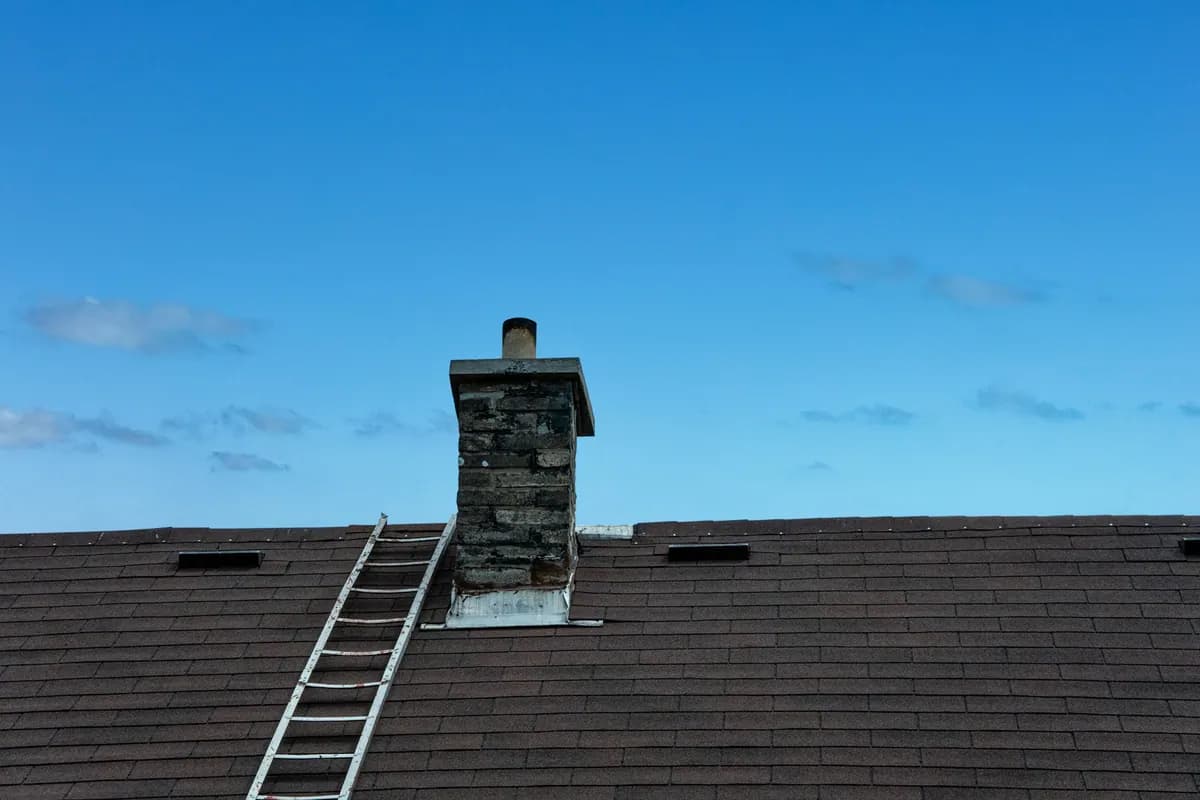
- Flashing pulled away from a chimney or wall
- Dented vents, gutters or metal roofing from wind-borne debris
- New stains inside, especially on walls facing the storm's wind direction
How wind actually damages a roof
Wind flowing over a roof creates suction, strongest at the edges, corners and ridge. Shingles there are the first to be tested. When the adhesive strip that bonds a shingle to the one below lets go, the tab can flutter; repeated flexing creases it, pulls nails through, and eventually tears it away.
Once one piece goes, the next course is exposed to wind from underneath, so damage tends to spread from a starting point rather than appear randomly. That is why a few missing shingles after one storm often become a much larger bare patch after the next.
- Wind uplift
- Broken seal strips, creased tabs, nails backed out or pulled through. Often invisible from the ground.
- Ridge and hip damage
- Cap shingles along the peak take wind from both sides and are frequently the first to go.
- Edge and rake damage
- Starter courses and drip edge at eaves and gable ends can peel back, exposing the deck edge.
- Flashing displacement
- Wind and movement can loosen step or counter flashing at chimneys and walls, opening a path for rain.
- Debris impact
- Branches, loose building materials or other debris can puncture, scrape or dent roofing and gutters.
- Water intrusion
- Wind-driven rain entering through any of the above — sometimes days before the damage is noticed outside.
Tree and debris damage
On wooded mainland lots, limbs are a common cause of storm damage: a falling branch can crack rafters as well as puncture the roof. On the islands there are fewer trees, but loose objects — building materials, outdoor furniture, pieces of other roofs — travel in strong wind.
Where something heavy struck the roof, the framing needs checking from inside the attic, not only the roofing from outside. Please stay clear of any area where a limb is still resting on the roof, and do not try to remove it yourself.
Temporary protection, then a real repair
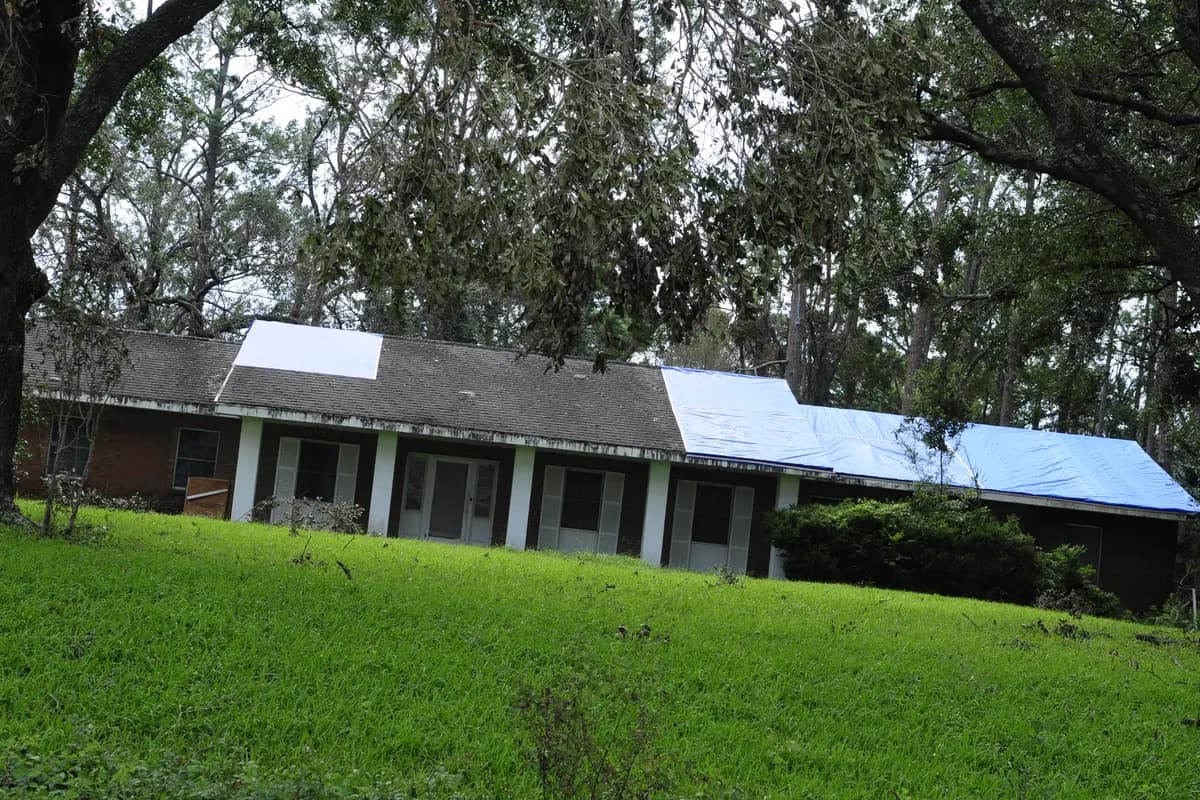
If the roof is open, the first step is temporary protection once conditions are safe — a tarp or membrane over the damaged area, loose material secured. That buys time for a proper assessment and permanent repair in dry conditions.
The permanent repair replaces damaged shingles and underlayment, re-secures or replaces edge metal and flashing, and addresses any deck damage. Where damage is widespread across an older roof, the conversation may turn to replacement.
Documentation and insurance — what we can and cannot do
After a storm many owners want to know whether their insurance will pay. That is a question only the insurer can answer under the terms of the policy. What a roofer can do is document the roof's condition clearly: photographs of damaged areas, a description of what was found, and a scope of the work needed.
- We do not promise claim approval, and nobody honestly can.
- We do not advise on the wording of claims or act as a public adjuster.
- Photograph damage yourself as soon as it is safe, and keep receipts for emergency measures.
- Your insurer may send its own adjuster; it is reasonable to ask that the roofer's documentation be considered.
Be wary of anyone who knocks on doors after a storm promising that insurance will cover a new roof. Coverage is determined by your policy and your insurer.
A post-storm evaluation, step by step
- 1From the groundVisible gaps, debris, bent gutters and anything hanging loose — the quick survey that decides whether temporary protection is urgent.
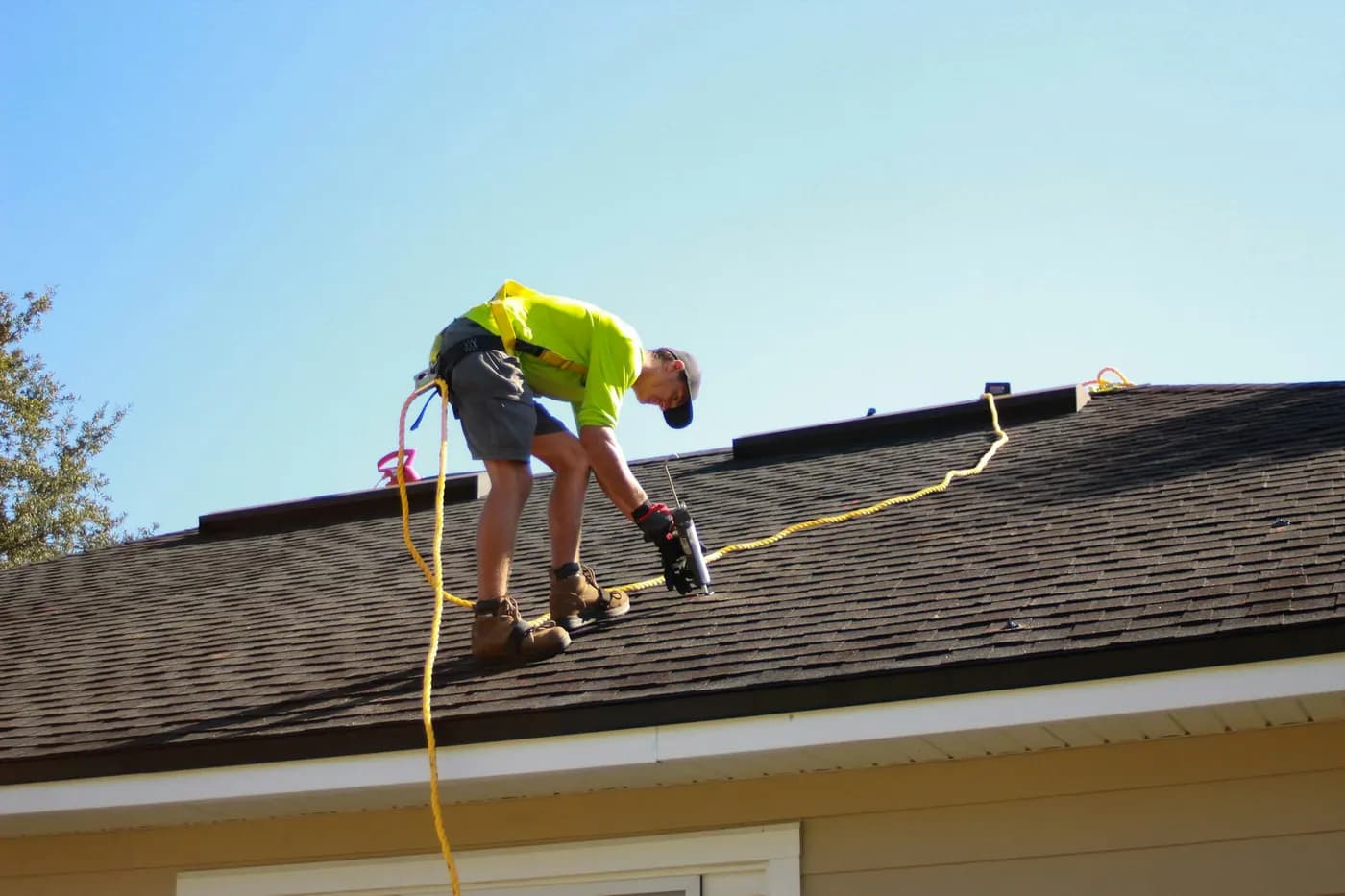
- 2On the roof, when safeEdges, corners, ridges and the windward slopes first, checking seal strips and fasteners as well as missing pieces.
- 3Flashing and penetrationsChimneys, walls, vents and skylights, where movement opens joints.
- 4Attic and interiorSigns of water entry, wet insulation and any framing damage from impact.
- 5Written findingsPhotographs and a plain description of the damage, with the repair scope and any temporary measures taken.
Cape May County
Storm exposure differs across the county
Oceanfront and inlet-side blocks on the barrier islands — Townsends Inlet between Sea Isle City and Avalon, Hereford Inlet at North Wildwood, Corson's Inlet at the southern end of Ocean City — see the strongest onshore winds. Bayfront and lagoon streets face a different problem: wind across open water from the west and north during nor'easter back-sides.
Inland, in Dennis, Upper and Middle Townships and in Woodbine, wind speeds are usually lower, but trees add a risk the islands largely do not have. A useful post-storm check is shaped by which of those settings the property is in.
Questions about storm damage roof repair
How soon after a storm should the roof be checked?
As soon as it is safe and practical — especially if you saw debris, found shingles on the ground or noticed any new stains. Lifted-but-not-missing shingles can fail in the next storm, so an early check can prevent a larger repair.
Can you tell me if my insurance will cover the damage?
No. Coverage is decided by your insurer under your policy. We can provide clear documentation of the roof damage and the repair scope, which you can share with them.
My roof looks fine from the street. Could it still be damaged?
Yes. Shingles can be lifted and have their seals broken without being torn off, and damage on the far side or high on a steep roof is hard to see from the ground. That is the kind of damage a closer evaluation is for.
A tree branch is resting on my roof. What should I do?
Keep people away from the area beneath it, and do not climb up to move it. Removing a heavy limb can shift weight onto damaged framing. A tree professional may be needed to remove it before roof repairs begin.