Storms & wind
How Storm Debris Can Damage Roofing
From pine needles to falling limbs: the ways debris damages roofs on wooded lots and island streets.
· 6 min read · Cape May Roofing Experts
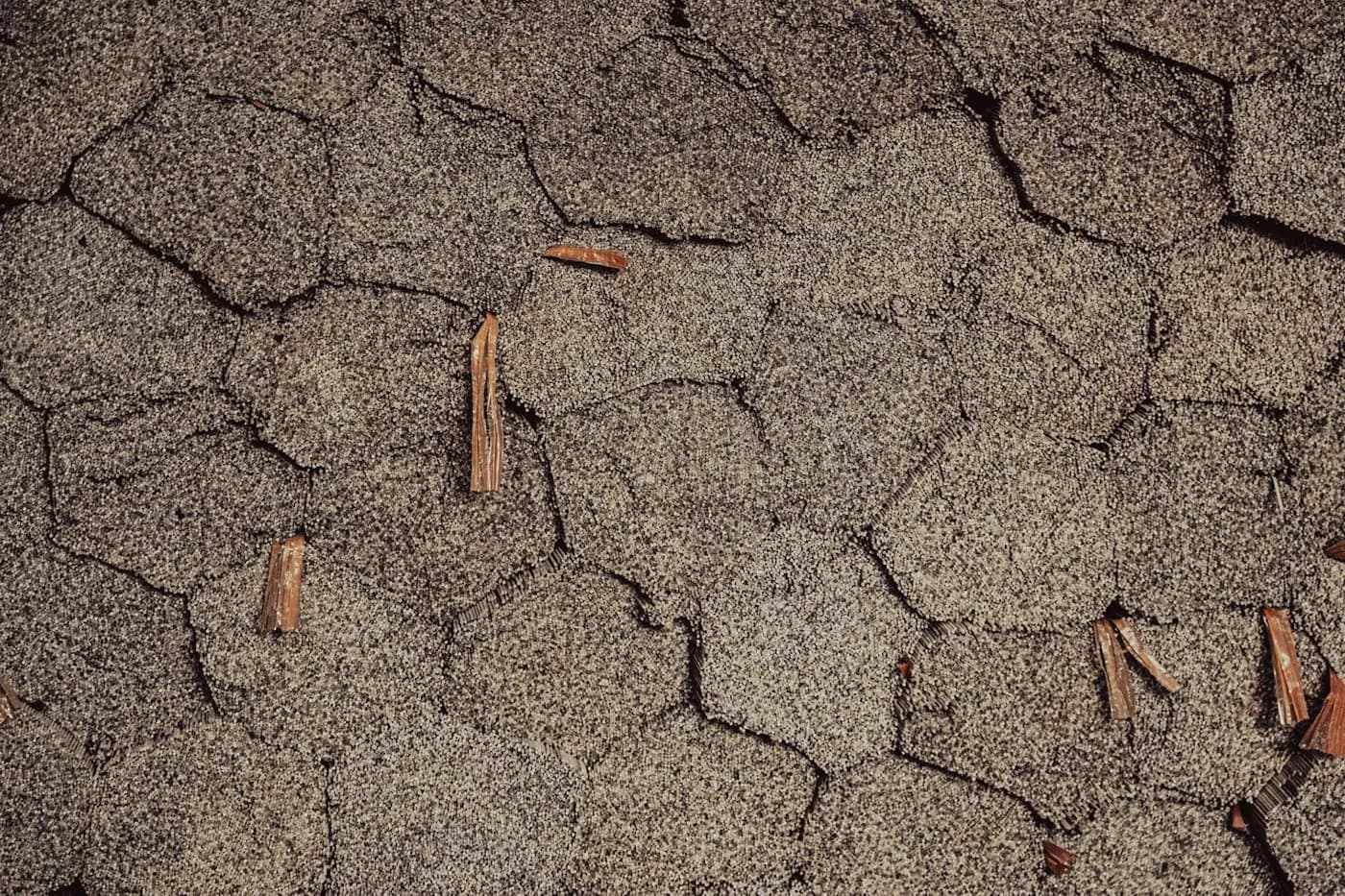
Photo: Bernd 📷 Dittrich / Unsplash (Unsplash License). Credits
Wind damages roofs directly, but it also throws things at them. On the wooded mainland — Dennis, Upper and Middle Townships, Woodbine — the thrown things are mostly branches. On the islands, where trees are fewer, loose building materials, outdoor furniture and pieces of other roofs travel in strong wind.
Four kinds of debris damage
- Puncture: a branch end or sharp object goes through shingles and sometimes the deck.
- Impact: a heavy limb cracks sheathing or rafters, even if the roofing looks intact.
- Abrasion: branches rubbing in wind wear away granules and tear shingle edges.
- Blockage: leaves, needles and twigs dam valleys and gutters, backing water up under shingles.
After a limb falls on the roof
- Keep everyone out of rooms beneath the impact area.
- Do not climb up to move it; the limb may be holding damaged framing in place.
- Photograph it from the ground and from inside.
- Have a tree professional remove it, then arrange roof protection and assessment.
The slow damage: small debris
The most common debris damage is undramatic: needles and leaves in valleys and gutters. Water dams behind them and works under shingle laps. Clearing valleys and gutters after leaf fall prevents much of it.
Reducing the risk
- Trim branches back from the roof and remove dead limbs over the house.
- On shore properties, secure or store loose items before storms.
- Clear valleys and gutters in autumn and spring.
The bottom line
Treat any heavy impact as possible framing damage, keep limbs trimmed back from the roof, and clear the small debris that quietly dams valleys and gutters.