Storms & wind
What to Check on Your Roof After Strong Coastal Winds
A ground-level checklist for the day after a nor'easter: what to look at, what to photograph, and what should never be done from a ladder.
· 7 min read · Cape May Roofing Experts
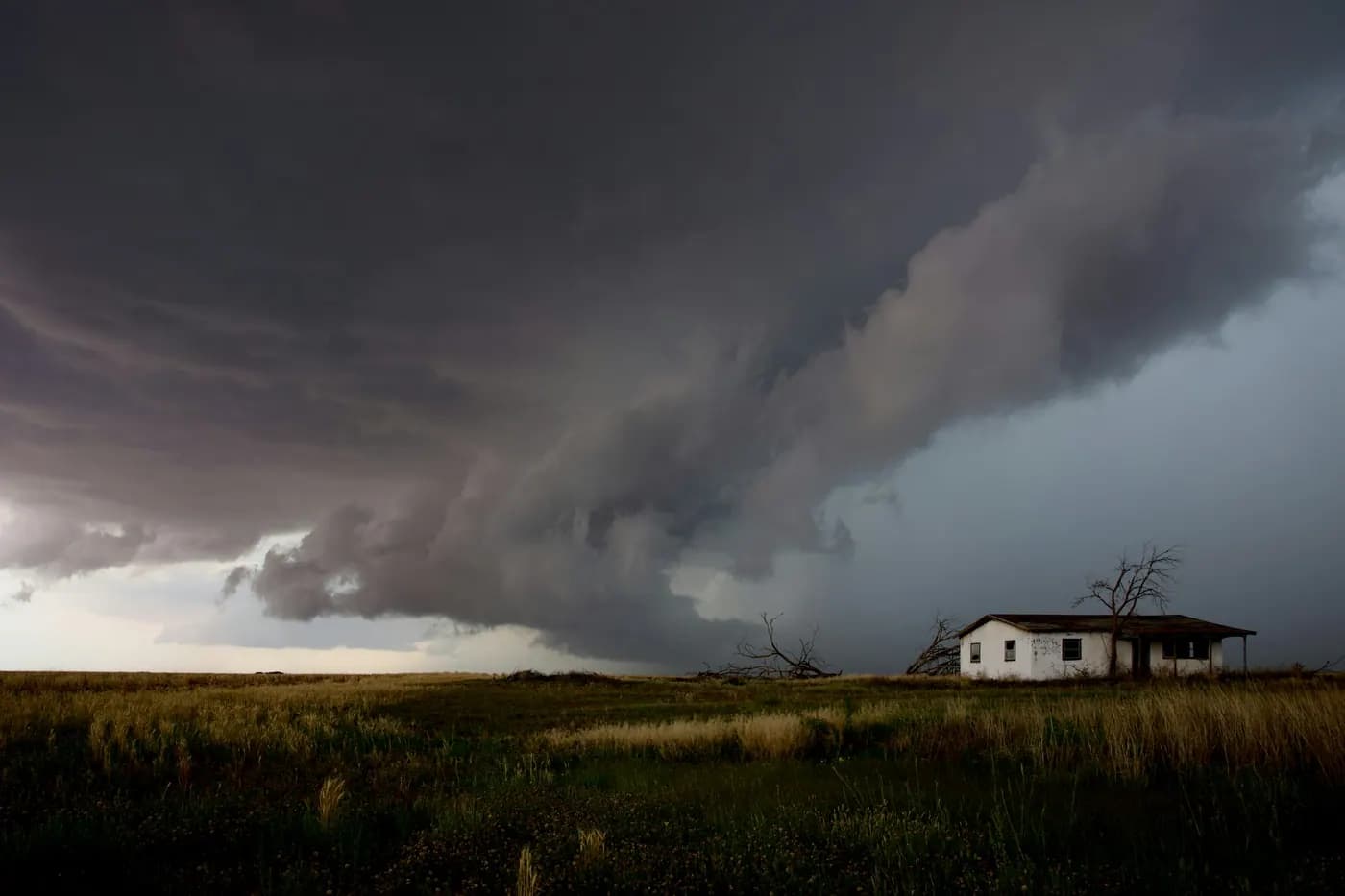
Photo: Steve Gribble / Unsplash (Unsplash License). Credits
Strong wind rarely damages a roof evenly. It works on the edges, corners and ridges first, and on the side of the house facing the weather. That is useful to know, because it tells you where to look — and most of the looking can be done safely from the ground.
This guide is written for the morning after: the storm has passed, the wind has dropped, and you want to know whether the roof came through.
First, stay off the roof
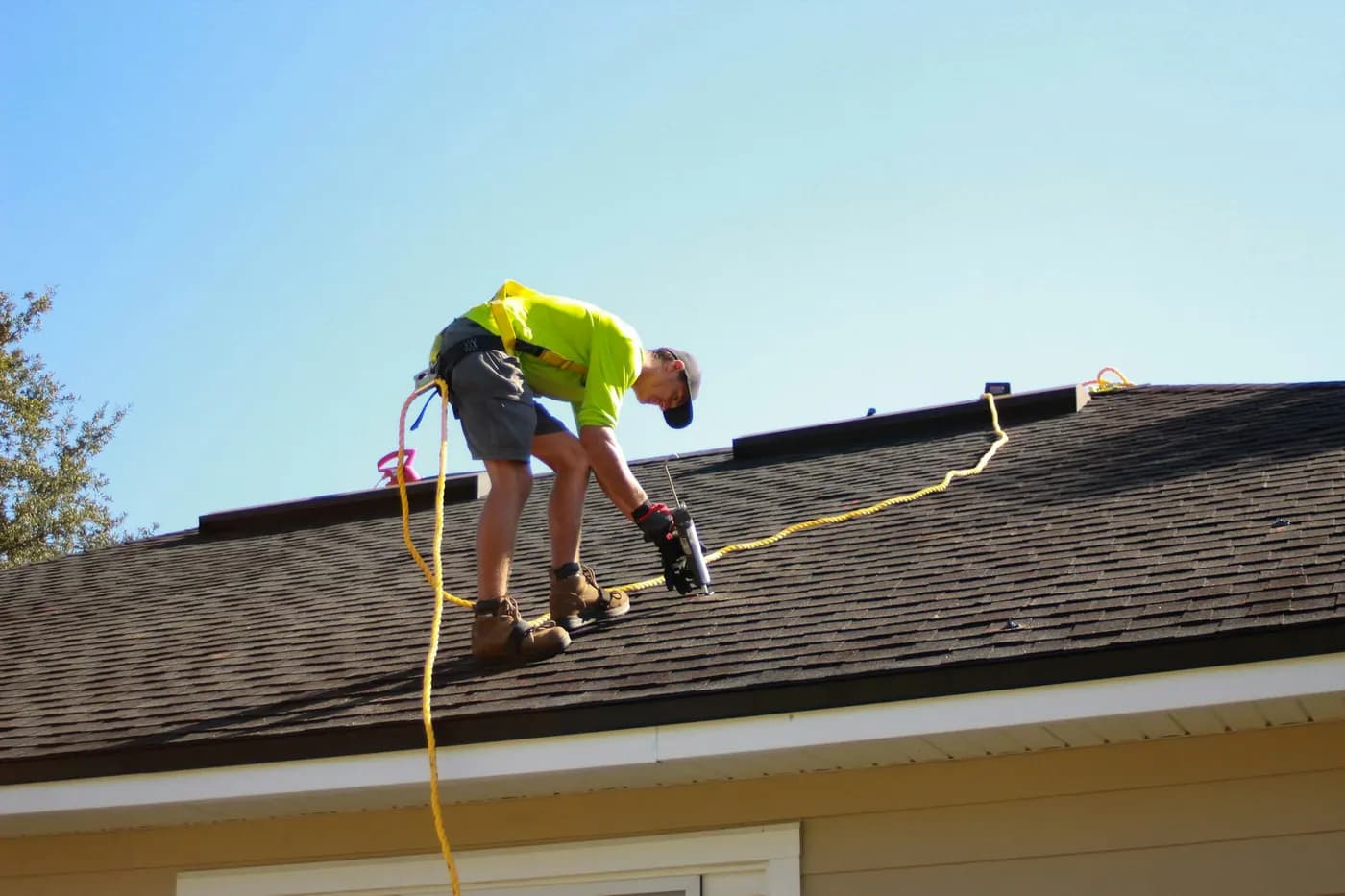
A storm-loosened roof is slippery and unpredictable, and debris may be hiding damage. Everything below can be done from the yard, the street, a window or the attic.
Walk the outside of the house
Circle the house slowly, starting on the side that faced the wind. Look for:
- Shingles, ridge caps or pieces of metal on the ground or in the gutters
- Gaps in shingle rows, or patches of a different colour where underlayment shows
- Shingles that look creased, folded back or out of line
- Ridge caps missing or lifted along the peak
- Drip edge or rake metal bent away from the roof edge
- Gutters sagging, pulled from the fascia or dented by debris
- Flashing standing away from a chimney or wall
Use the camera zoom
A phone camera zoomed in from across the street will show more than you can see with your eyes, and the photos are a dated record. Take wide shots of each side of the house and close-ups of anything that looks wrong.
Then look inside
Wind-driven rain can enter at details that look fine from outside.
- Check ceilings on the top floor, especially below valleys, chimneys and the storm-facing side.
- If you can safely enter the attic, look with a torch for wet sheathing, drips or damp insulation.
- Look at the tops of walls and around windows on the side that faced the wind.
- Note any musty smell in upper rooms or closets — sometimes the first sign of a slow leak.
What the findings usually mean
A few missing shingles or a lifted ridge cap is a straightforward repair — but a prompt one, because exposed edges let the next storm get underneath. Displaced flashing can let water into walls even if ceilings look fine. Water inside means the priority is protecting the interior and arranging a temporary dry-in.
Insurance: document, then ask
Photographs taken promptly, and receipts for any emergency protection, are useful if you decide to contact your insurer. Whether damage is covered is decided by the insurer under your policy — not by a contractor.
The bottom line
Look from the ground, starting on the windward side; photograph everything; check the ceilings and attic; and deal with lifted edges and ridges before the next storm arrives.