Seasonal homes · 6 min read
Roof Maintenance for Seasonal Shore Homes
A simple calendar for owners who are not there all year — and the access plan that makes it work.
Roofing for homes and commercial buildings across all 16 Cape May County municipalities
Storm damage or an active leak? Call (914) 906-5748
City of Ocean City · Cape May County, NJ
Ocean City, Cape May County — the eight-mile barrier island between Great Egg Harbor Bay and Corson's Inlet. Roof work for homes, duplexes, condominiums and the businesses that serve a summer population many times the year-round one.
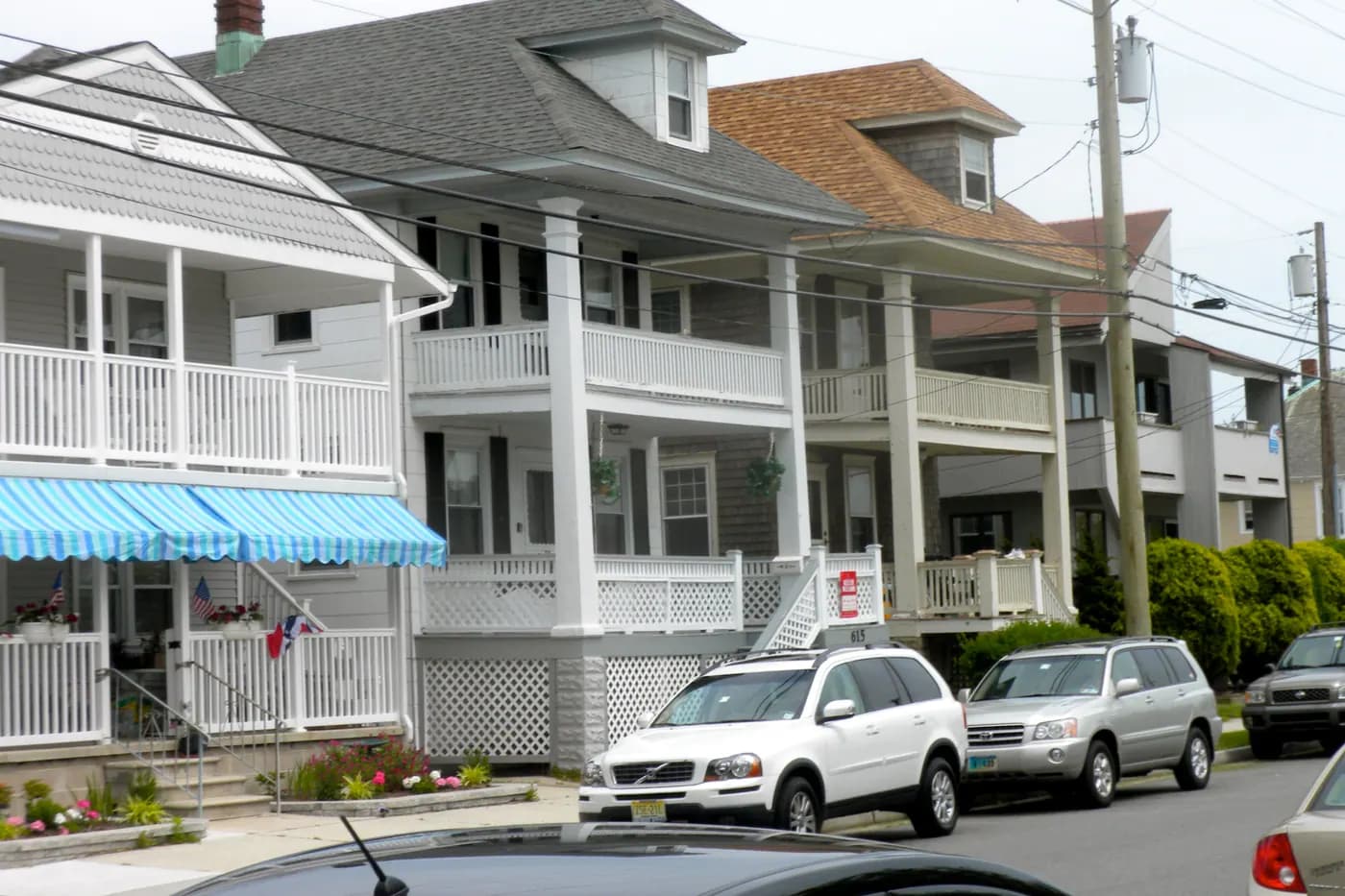
Photo: Smallbones / Wikimedia Commons (Public domain). Credits
Ocean City's roofs have to cope with two very different lives. From Labor Day to Memorial Day, the island is home to roughly eleven thousand year-round residents. In summer, estimates put the number of people within the city at well over a hundred thousand. Most of the island's twenty thousand-plus housing units were counted as vacant on census day in 2020 — second homes and seasonal rentals waiting for their season.
That shapes almost every roofing decision here. A leak in a year-round house on the mainland gets noticed the same day. A leak in an Ocean City duplex in February might be discovered by the first renters in June. The work we do in Ocean City leans heavily on timing, access and prevention as a result.
Ocean City occupies its own barrier island: the Atlantic on the east, back-bay marsh and lagoons on the west facing the Marmora section of Upper Township, Great Egg Harbor Bay at the north end and Corson's Inlet at the south, across from the Strathmere section of Upper Township. The city is known as a family resort with a boardwalk of about two and a half miles and a downtown shopping and dining district. The beaches have been replenished more than thirty times since 1951, which says a good deal about how often storms reach this shoreline.
Homes
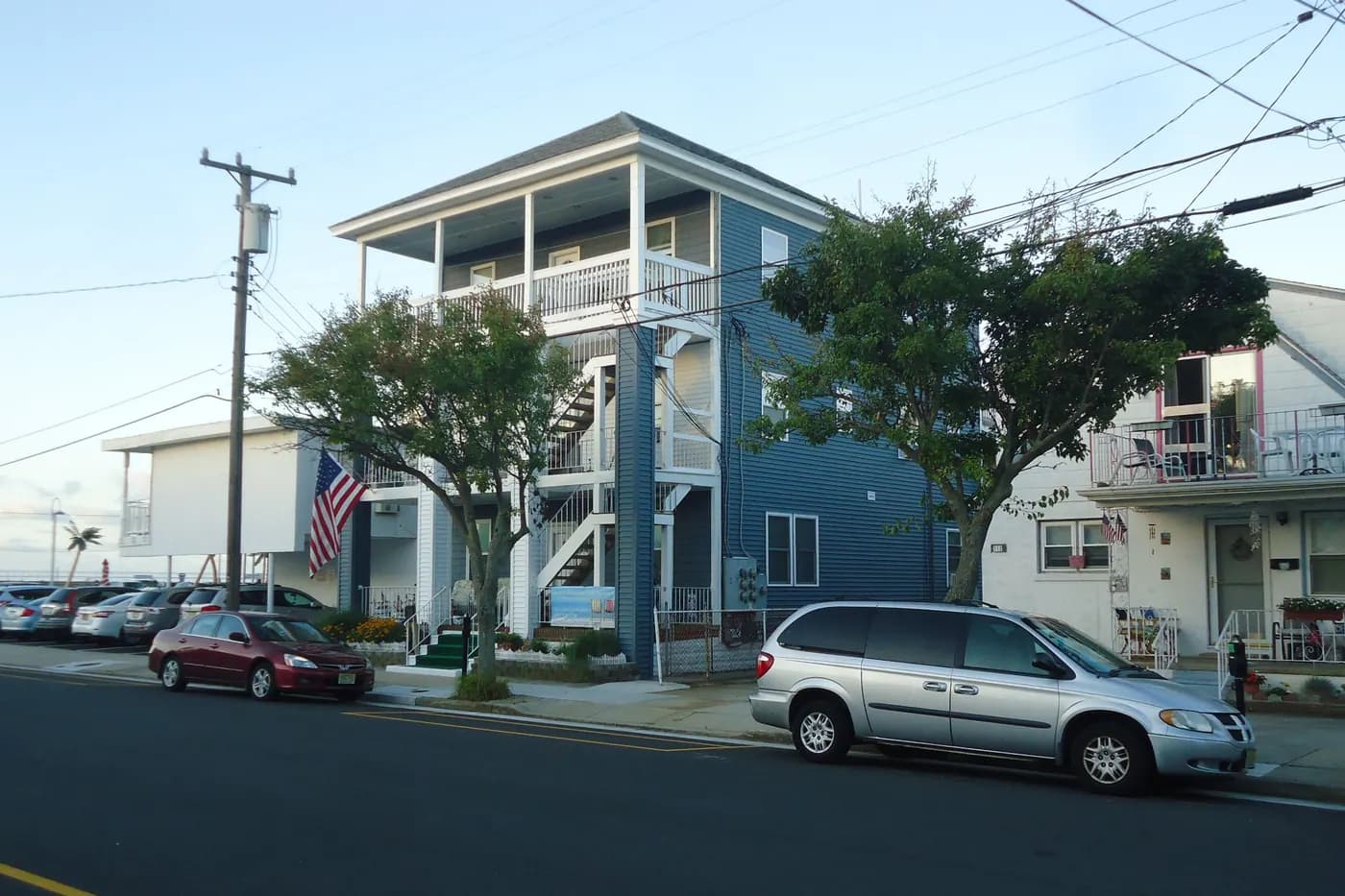
The housing mix is broad. Around the Ocean City Residential Historic District, between roughly 3rd and 8th Streets, older houses with stacked front porches, dormers and gabled roofs line the blocks. Across the island there are two-family duplexes with separate upstairs and downstairs units, newer raised single-family homes, condominium buildings, and lagoon-front houses on the bay side. Along the boardwalk and downtown, commercial buildings frequently carry low-slope roofs with rooftop equipment.
With about three in four housing units counted as vacant on census day, many Ocean City roofs go unchecked through the winter storm season. A spring inspection before occupancy and a check after major nor'easters catch most problems before they reach ceilings. For duplexes, both units' owners — or a condominium association — may need to agree on roof work that spans the building.
Commercial buildings
Boardwalk and downtown businesses, motels and multi-unit buildings commonly have low-slope membrane roofs with HVAC units, exhaust fans and signage mounts. For many, the working window for roof projects is outside the summer season.
Commercial roofingOcean City's commercial buildings are concentrated along the boardwalk, downtown and on the main corridors, and many of them work to a summer calendar. Roof projects on those buildings are usually easiest from autumn through early spring — which is also storm season, so schedules need slack for weather.
Residential roofing on the island is dominated by pitched roofs, but it is not unusual for one house to combine a shingled main roof, a low-slope porch roof and a roof deck.
Low-slope sections are where many Ocean City leaks start. Porch roofs tied into walls, flat rear additions and roof decks over living space all depend on membranes, flashing and drainage staying intact.
For a house that stands empty from autumn to spring, a simple routine prevents most surprises: an inspection in spring before occupancy, gutters cleared before the autumn storm season, and a check after any major nor'easter. Owners who live elsewhere should decide in advance who can provide access to the house and attic.
The repeated beach replenishment on Ocean City's shoreline is a reminder of how regularly storms reach it. After a significant storm, the most common roof findings here are lifted or missing shingles along edges and ridges, displaced flashing on the side facing the wind, and damaged gutters. If the roof is open, temporary protection comes first; a documented assessment follows.
On two-family houses and older homes with stacked porches, leaks tend to come from porch-roof-to-wall flashing, chimneys, dormers and pipe boots. A repair visit traces the water from the stain back to the detail that failed, and explains whether it affects one unit or both.
Replacements on rental properties are easiest in spring or autumn, clear of bookings. Planning early allows time for materials, any permit required by the city, and weather days before the first guests arrive.
Close spacing between houses means roof water needs a planned route to the ground. Downspout placement, extensions and gutter sizing make the difference between water going where it should and water ending up against a foundation or on a neighbour's walkway.
An inspection before the summer season gives renters and family a sound roof and gives owners time to fix anything found. After a big storm, it answers the question every absent owner has: did anything happen to the roof while we were away?
Weather
Nor'easters bring the most frequent prolonged wind and rain, peaking in late winter; tropical systems are most likely from late summer into autumn. Both deliver wind-driven rain that finds weak flashing and lifted shingles.
Exposure
Oceanfront and inlet-end blocks take the strongest onshore wind; bay-side and lagoon streets face wind across open water from the west during the back side of passing storms. Metal components exposed to salt air — flashing, gutter fasteners, edge metal — are worth checking for corrosion on routine visits.
Drainage
Many Ocean City houses sit on narrow lots close to their neighbours, so where roof water lands matters: downspouts should discharge away from foundations, walkways and the house next door. Flat and low-slope roofs on duplex porches, additions and commercial buildings need drains and scuppers kept clear of sand and debris.
Ocean City work spans pitched residential roofs and a large number of low-slope roofs on porches, additions and businesses. These services cover most of what the island needs:
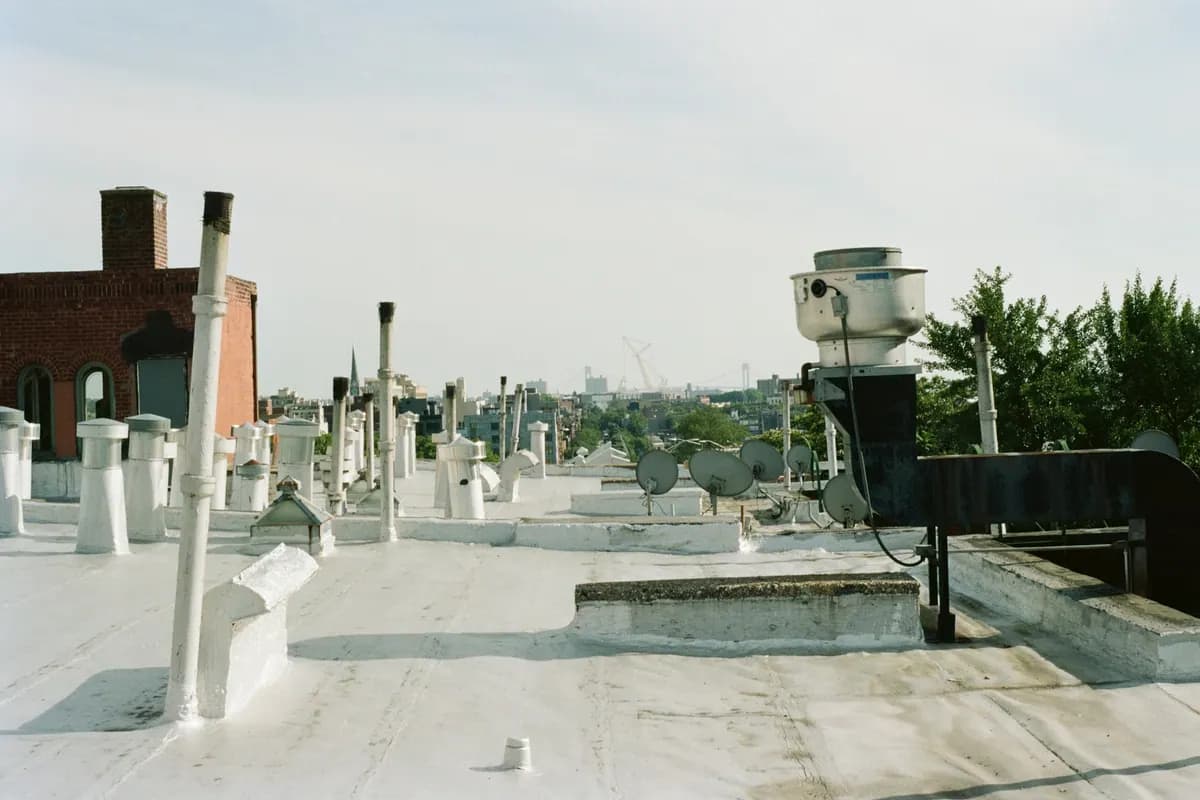
Low-slope and mixed roofs on shops, offices, multi-unit and hospitality buildings: inspection, leak repair, drainage correction and replacement planning.
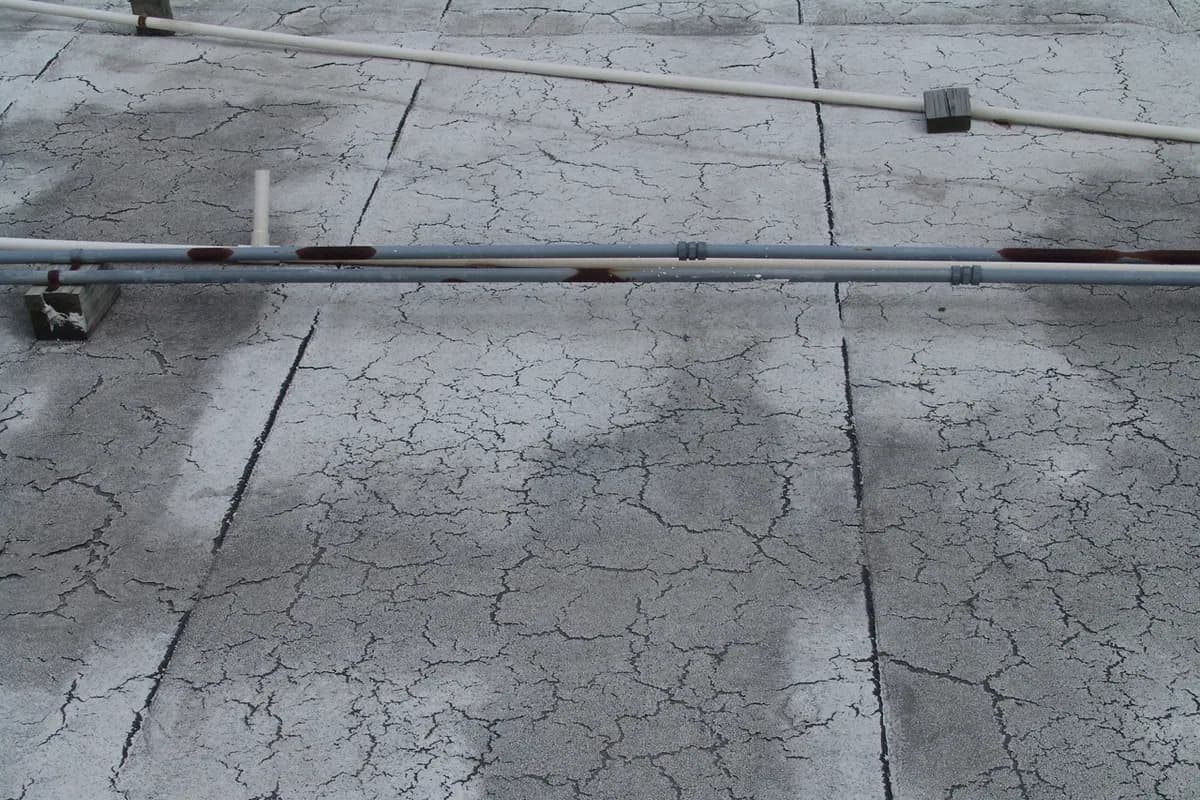
Low-slope roofs on additions, porches, decks over living space and commercial buildings: membrane and seam repair, drainage correction, flashing and replacement.

Finding where water is actually getting in — flashing, pipe boots, valleys, lifted shingles, roof edges — and fixing that, rather than the stain it left.
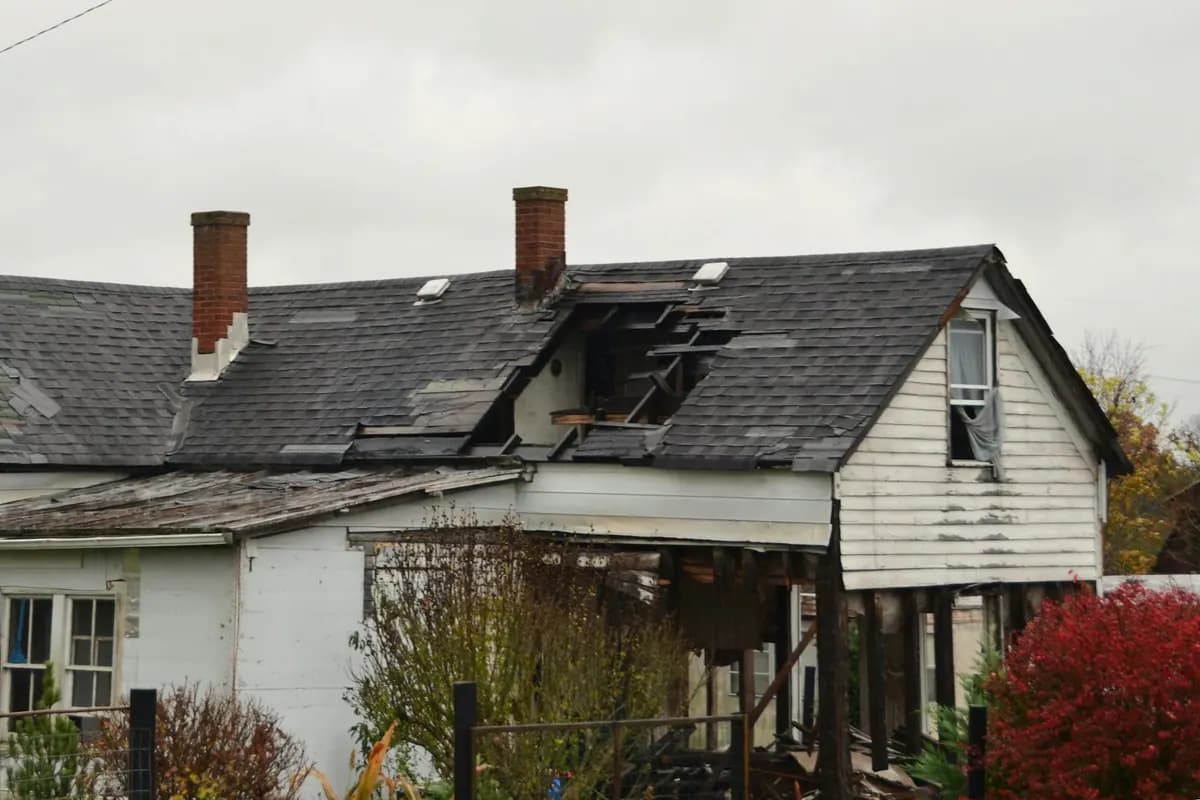
Assessing and repairing roofs after nor'easters, tropical systems and severe thunderstorms: wind uplift, torn ridges and edges, displaced flashing and debris impact.
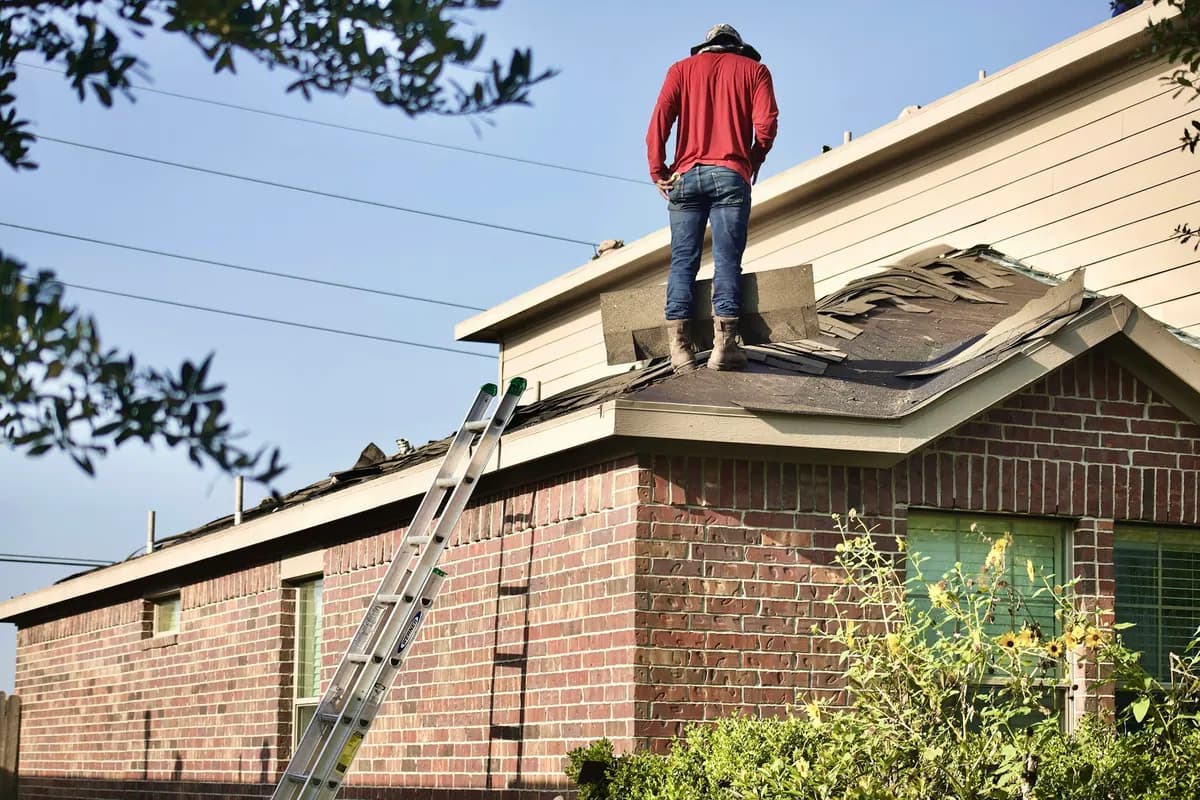
A complete tear-off and rebuild — deck review, underlayment, edge metal, flashing, ventilation and ridge — planned around the house and the season.
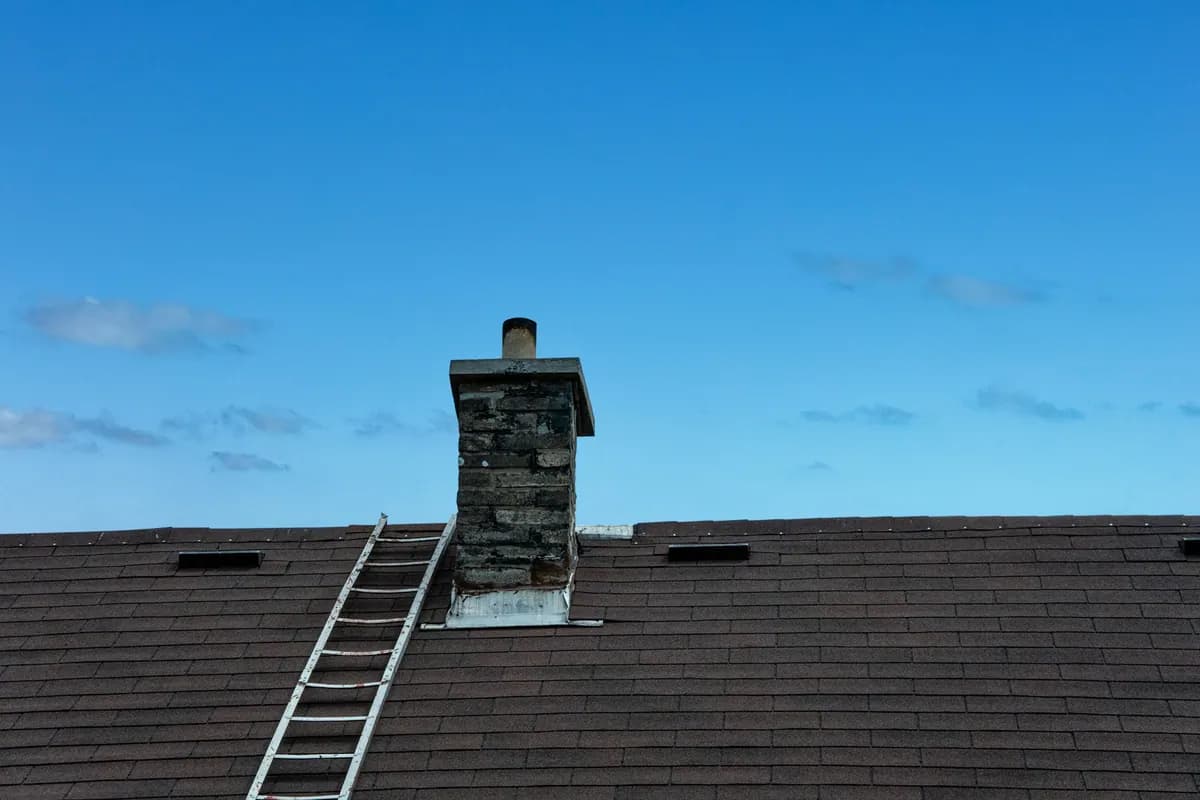
A close look at the whole roof — surface, flashing, edges, drainage and attic — before buying, before the season, after a storm, or when you simply are not sure.
Ocean City questions
Ocean City, New Jersey — the barrier-island city in Cape May County between Great Egg Harbor Bay and Corson's Inlet. We do not serve Ocean City, Maryland.
When the roof is shared, both owners — or the condominium association, if there is one — usually need to agree on scope and cost. We can inspect and document the whole roof so everyone is working from the same information.
Spring and autumn usually work best, avoiding peak season bookings. Build in time for weather and for any permit the city requires, so the work is finished well before guests arrive.
Not if it lingers. Low-slope porch roofs should drain within a day or two. Standing water usually points to clogged drainage, settled framing or too little slope, and it shortens the life of the membrane.
Yes. With access arranged — or without it, for an exterior-only check — we can inspect the roof and send photographs and a written summary.
Seasonal homes · 6 min read
A simple calendar for owners who are not there all year — and the access plan that makes it work.
Low-slope roofs · 6 min read
Why low-slope roofs hold water, how sand and debris make it worse near the beach, and which fixes actually work.
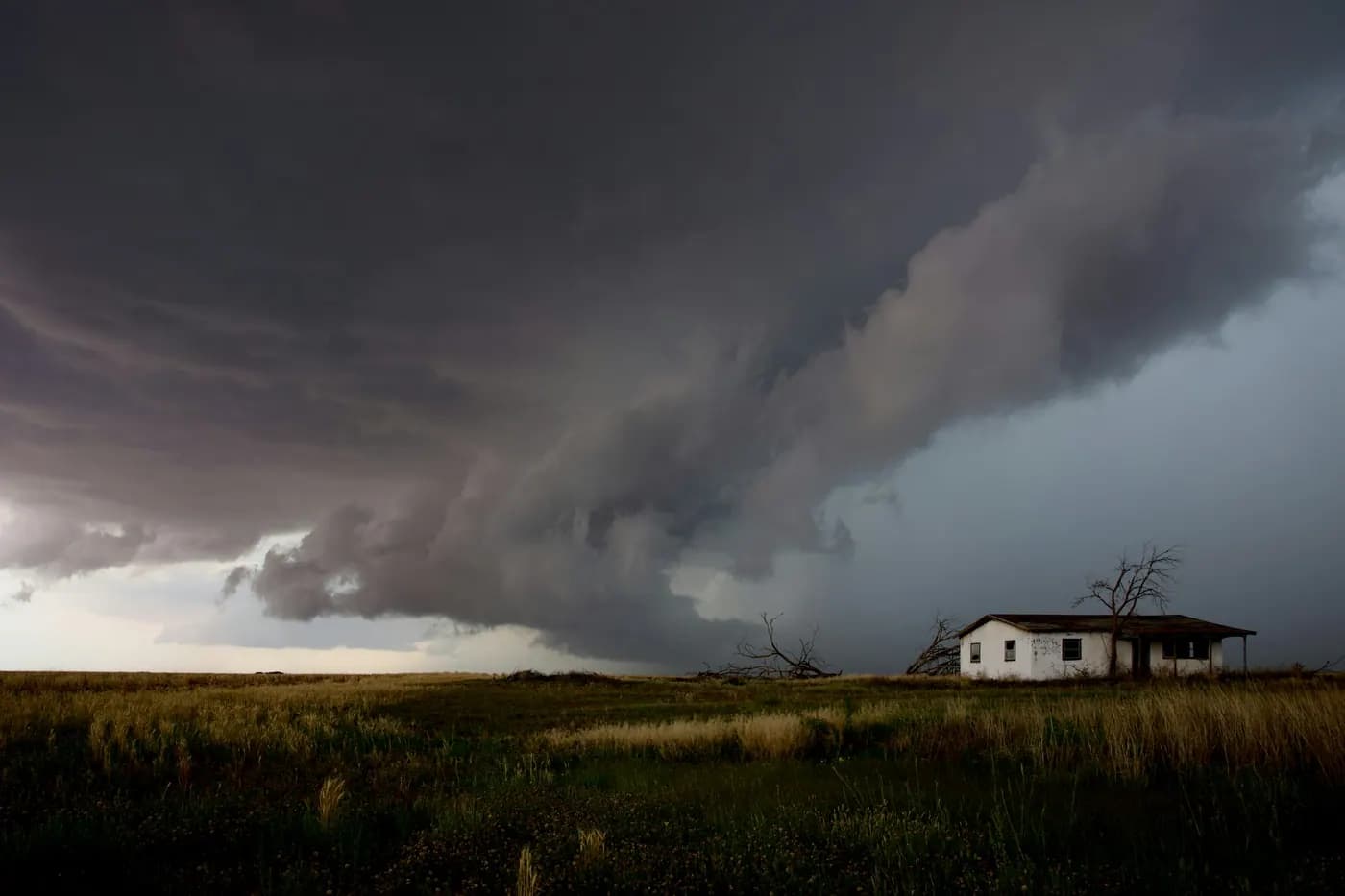
Storms & wind · 7 min read
A ground-level checklist for the day after a nor'easter: what to look at, what to photograph, and what should never be done from a ladder.
Roof evaluation request
Tell us about the property and what you are seeing. If you are away from your Ocean City property, say so and we will ask about access.
Roofing for the City of Ocean City, Cape May County, New Jersey. This page describes an area we serve; we do not claim an office in Ocean City.