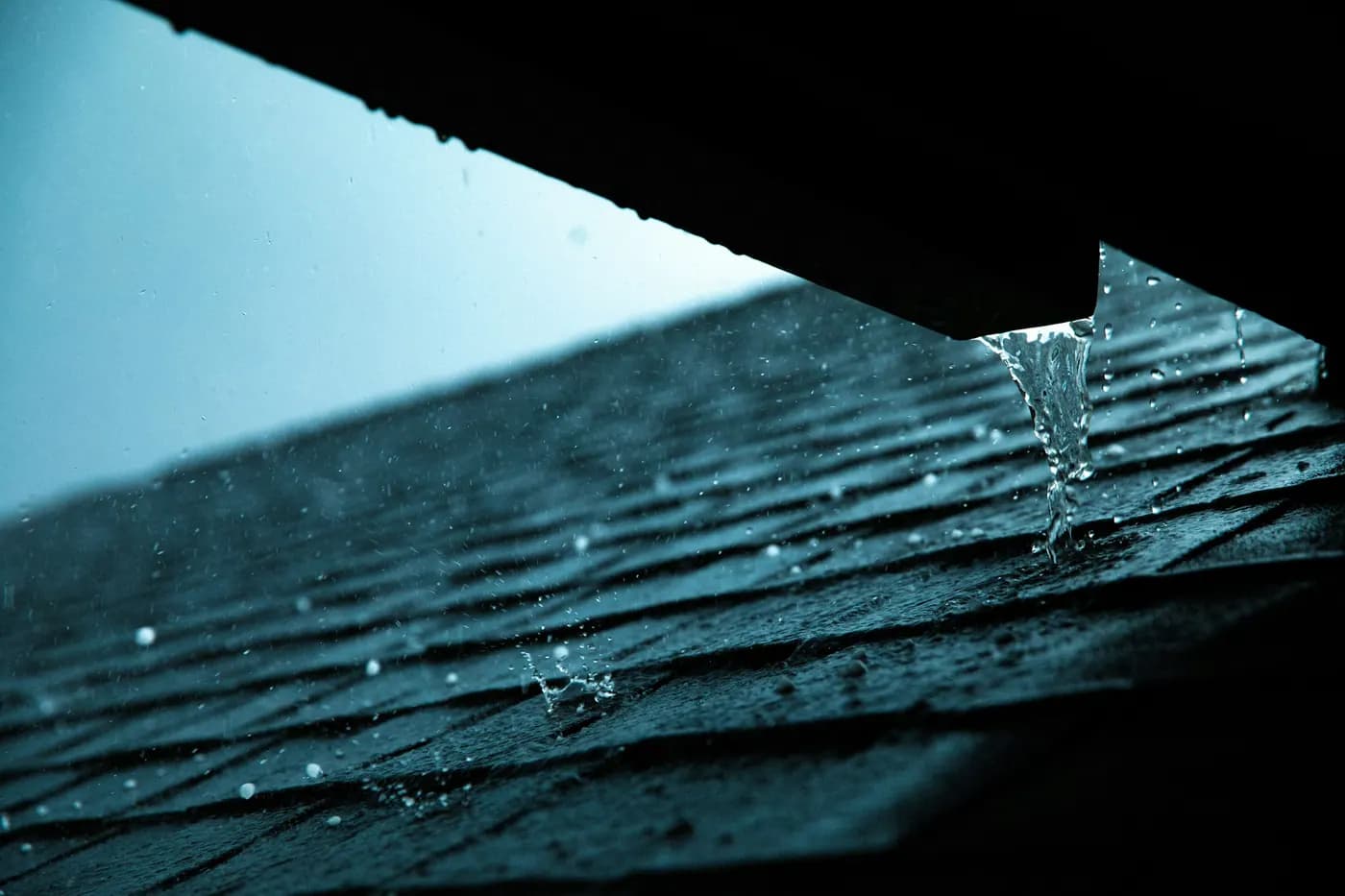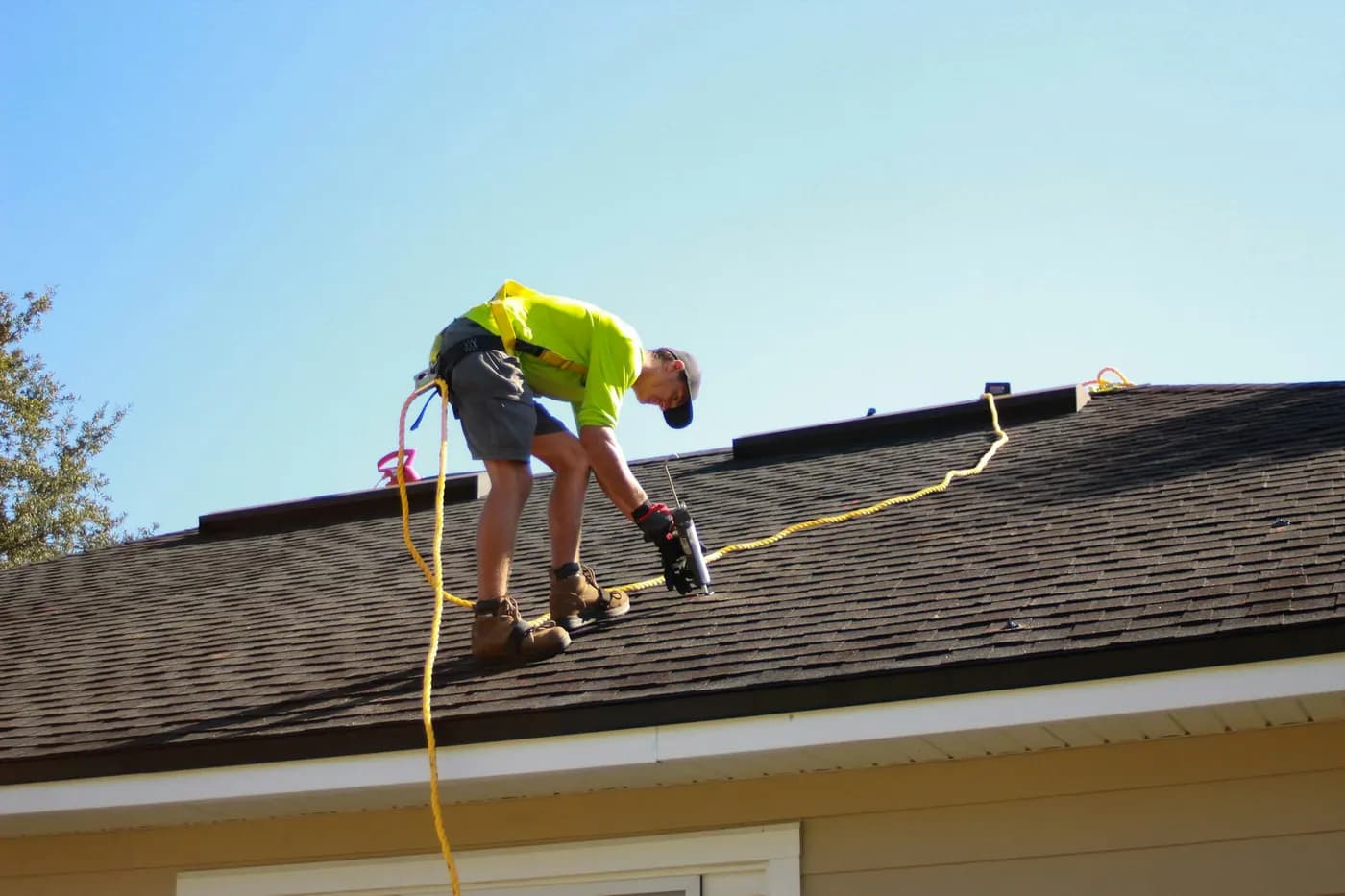
A useful repair starts by tracing the path the water took, not by patching the spot where it showed up. Near the coast that matters even more, because rain driven sideways by wind can enter at details that stay dry in an ordinary vertical downpour.
Reasons people call about a repair
- A new ceiling stain, or an old one that has grown
- Drips in the attic during wind-driven rain but not during calm rain
- Shingles found in the yard or gutters after a blow
- Daylight visible around a vent pipe or chimney from the attic
- Damp or darkened wood around a skylight or dormer
- A leak that returned after someone else sealed it with caulk
When the roof is leaking now
If water is coming through, the priority is limiting damage inside: move belongings, catch the drip, and if a ceiling is bulging with trapped water, keep people out from under it. Do not climb onto a wet or storm-damaged roof yourself.
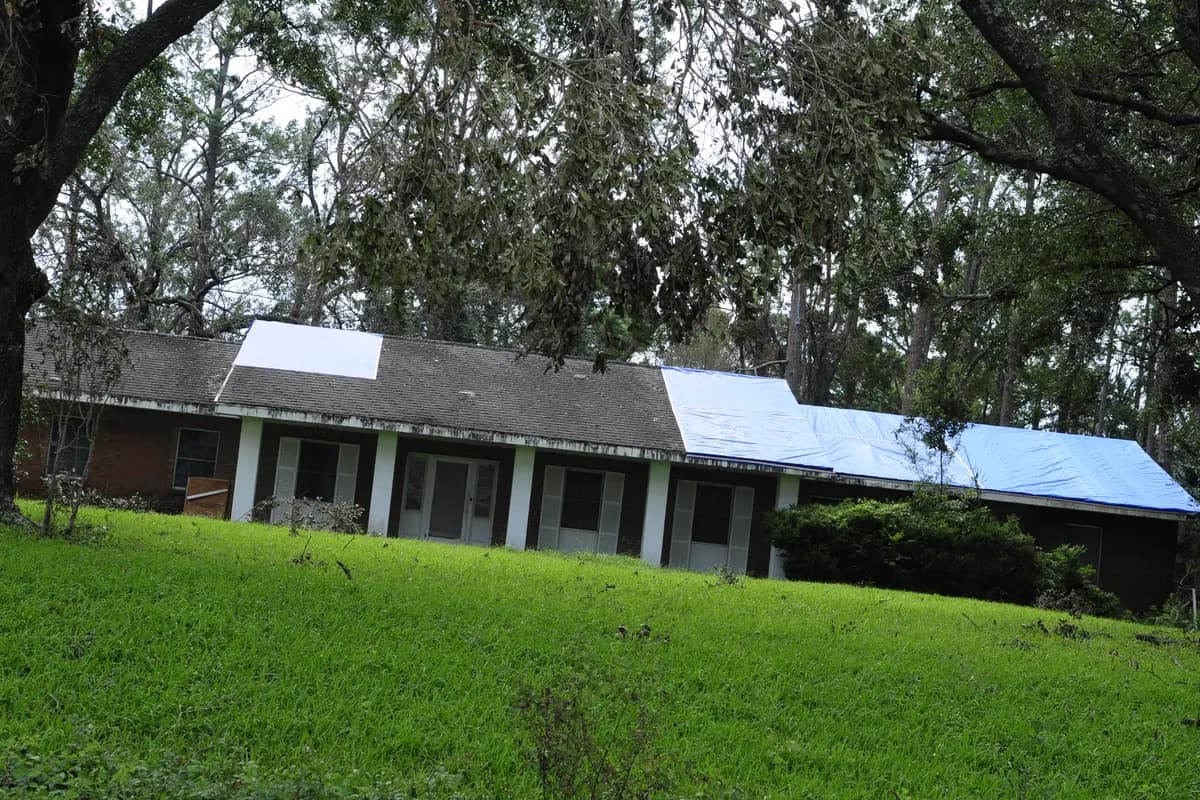
Once conditions allow safe access, a roofer can often dry-in the area temporarily — sealing a displaced flashing, fastening a loose section or covering an opening — so the permanent repair can be done properly rather than in the rain.
If you are away from the property and a neighbour or tenant reports water inside, tell us that when you call. Access arrangements are part of planning the visit.
Where repairs are usually needed
Leaks cluster around the places where the roof covering is interrupted or changes direction. These are the areas a repair visit examines first.
- Flashing at walls and chimneys
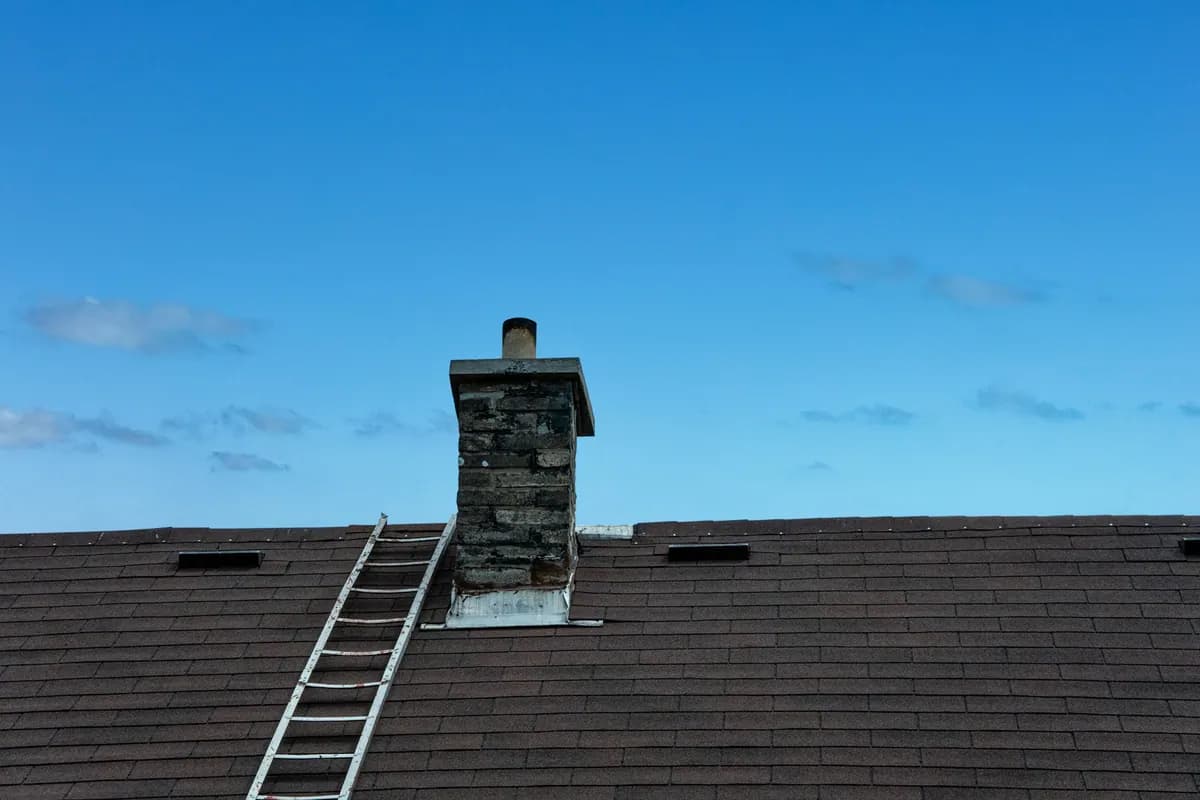
- Step and counter flashing can loosen, corrode or lose its seal, especially where a chimney or sidewall meets the roof plane.
- Pipe boots and roof vents
- Rubber collars around plumbing vents crack with sun exposure; vent housings can loosen at their fasteners.
- Valleys
- Two slopes meet and concentrate runoff. Debris, worn shingles or poorly cut valley shingles let water work sideways.
- Roof edges and rakes
- Wind catches exposed edges first. Missing drip edge or lifted starter shingles leave the deck edge vulnerable.
- Lifted and missing shingles
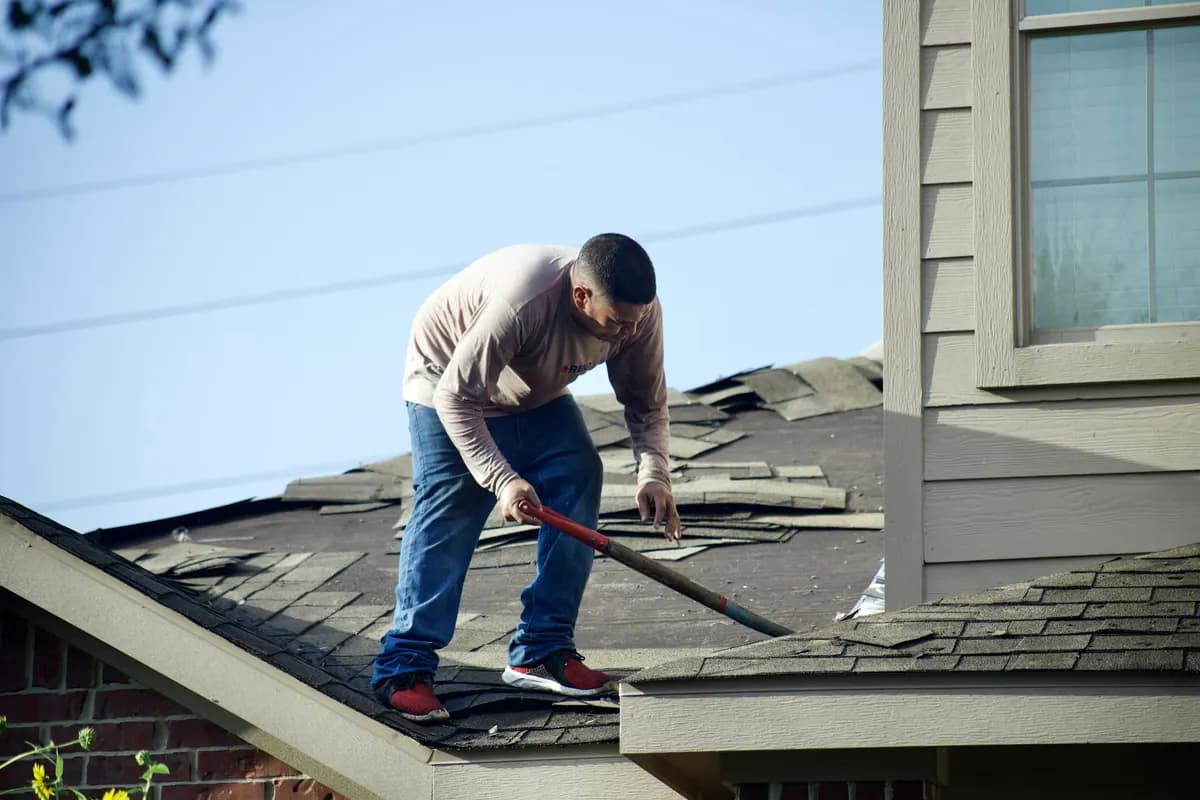
- A shingle whose seal strip has let go can flutter in wind, crease, and eventually tear off, exposing nails and underlayment.
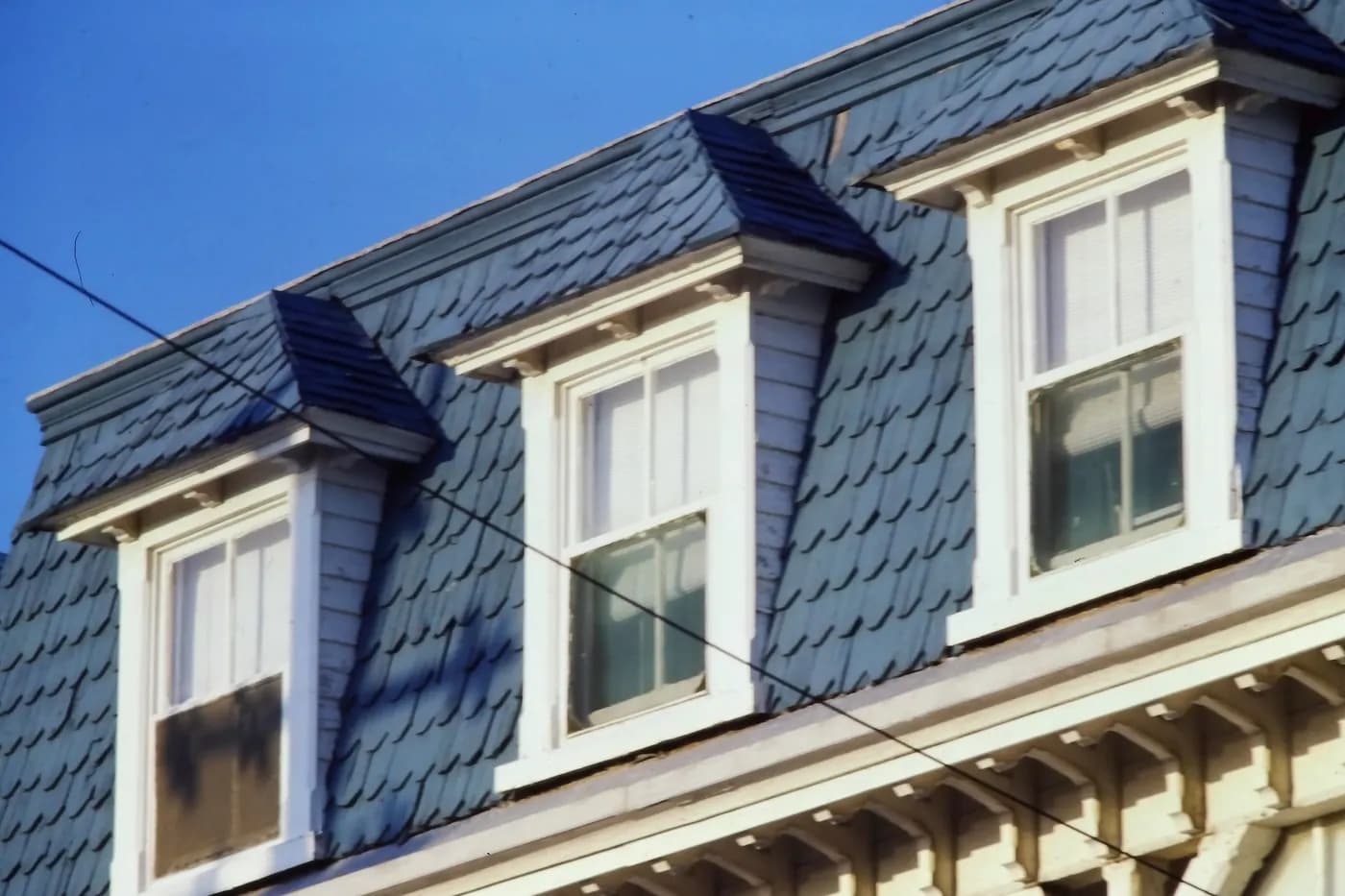
- Skylights and dormers
- Their side and head flashings are complicated; a gap at the top corner is a common entry point.
Decking and what lies under the shingles
A long-running leak rarely stops at the shingle. Underlayment can deteriorate and the wood deck beneath can soften or delaminate. During a repair, the roofer checks whether the deck around the entry point is sound before new materials go down, because fastening new shingles into weak sheathing will not hold.
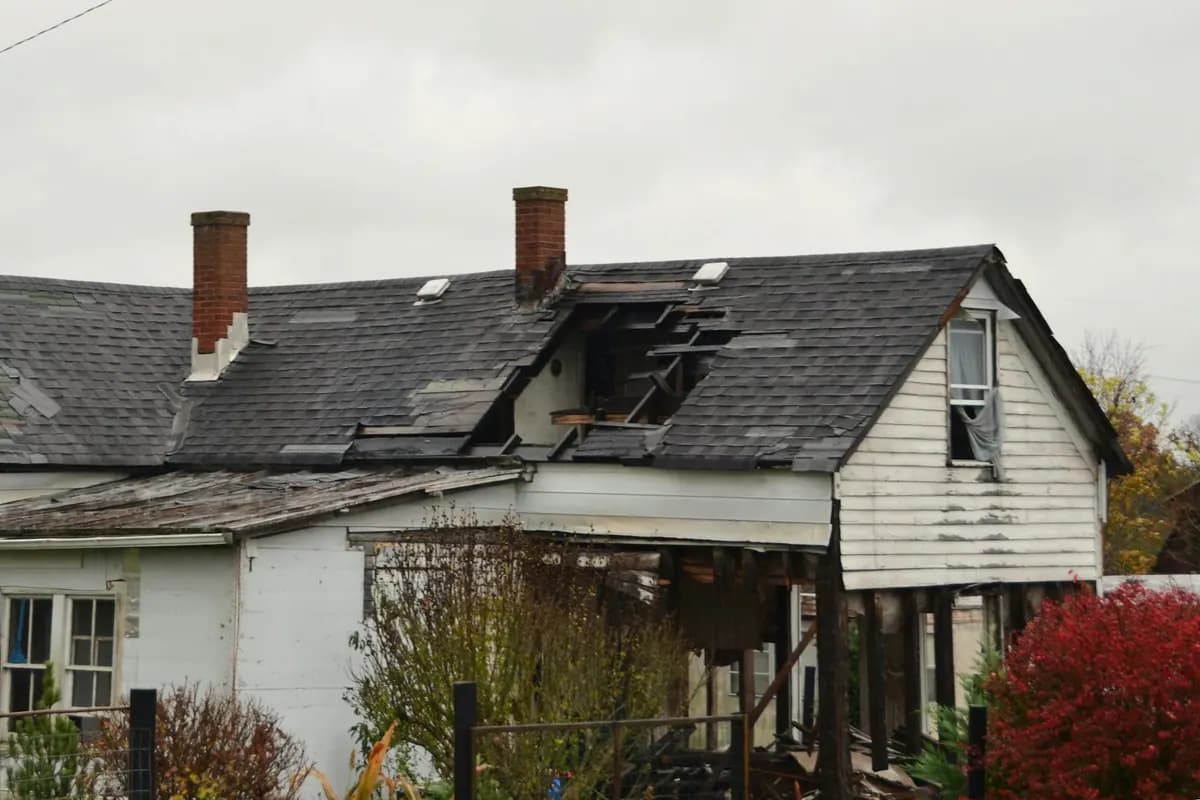
If the damage is wider than a patch — soft decking across several courses, or leaks at many details at once — you will be told so plainly, and that conversation may turn to whether repair or replacement makes more sense.
Repairs that last versus repairs that buy time
Some fixes are permanent: replacing a failed pipe boot, re-flashing a chimney, replacing a run of damaged shingles with matching courses. Others are honestly temporary: sealant on a detail that really needs re-flashing, or a tarp after a storm.
Both have their place. What matters is knowing which one you are paying for. A repair estimate should say what is being done, why, and whether it is expected to hold or is buying time until larger work.
- Matching shingles on an older roof may not be an exact colour match; that is normal and worth knowing in advance.
- Brittle, aged shingles can crack when lifted, which can widen the repair area. A good repair plan accounts for that.
- Sealant alone is not a substitute for correctly lapped flashing.
How a repair visit usually runs
- 1Describe what you are seeingWhere the water appears, when it happens (every rain, or only wind-driven storms), how old the roof is, and whether anyone has repaired it before.
- 2Trace the pathAttic inspection where accessible, then the roof surface above and uphill of the stain, working toward the likely entry detail.
- 3Explain what was foundWhat failed, what it will take to fix, and whether anything nearby is close to failing too — with photos where possible.
- 4Repair and checkReplace or re-flash the failed detail, confirm the surrounding area is sound, and clean up debris and old material.
Cape May County
Repairs in a county where wind comes with the rain
On the barrier islands and along the bay, many of the leaks that reach us arrive during storms rather than calm rain. Wind pushes water up under shingle laps and into flashing joints that would shed a vertical downpour without trouble. A leak that only appears in nor'easters is a clue in itself: it points toward exposed edges, the windward side of a chimney, or a wall flashing facing the weather.
On mainland properties in Dennis, Upper and Middle Townships, tree debris is a more common starting point — branches scuffing shingles, and leaves packing valleys and gutters until water backs up.
Questions about roof repair
My roof only leaks during storms. Can that still be repaired?
Often, yes. Storm-only leaks usually come from wind-driven rain entering at flashing, roof edges or lifted shingles on the side facing the weather. They take more careful tracing because the entry point can be some distance from the stain, but once found they are frequently repairable.
Is it worth repairing an older roof?
It depends on the condition of the whole roof, not just the leak. If the rest of the roof is sound, a targeted repair can be sensible. If shingles are brittle and failing in many places, repeated repairs tend to cost more over time than planning a replacement. You should get a straight answer either way.
Can you match my existing shingles?
Where the product line is still made, a close match is often possible, though weathered shingles rarely match new ones exactly. On an older roof it is worth deciding in advance whether a small visible difference is acceptable.
Someone sealed my leak with caulk and it came back. Why?
Sealant can stop water briefly, but it cracks and pulls away as the roof expands and contracts. If the underlying flashing or shingle lap was the problem, the leak returns. The lasting fix is usually to correct the detail itself.