Coastal exposure
What Salt Air Can Mean for Roof and Gutter Components
Salt air does not destroy roofs. It does work on certain metal parts — and knowing which ones makes maintenance simple.
· 6 min read · Cape May Roofing Experts
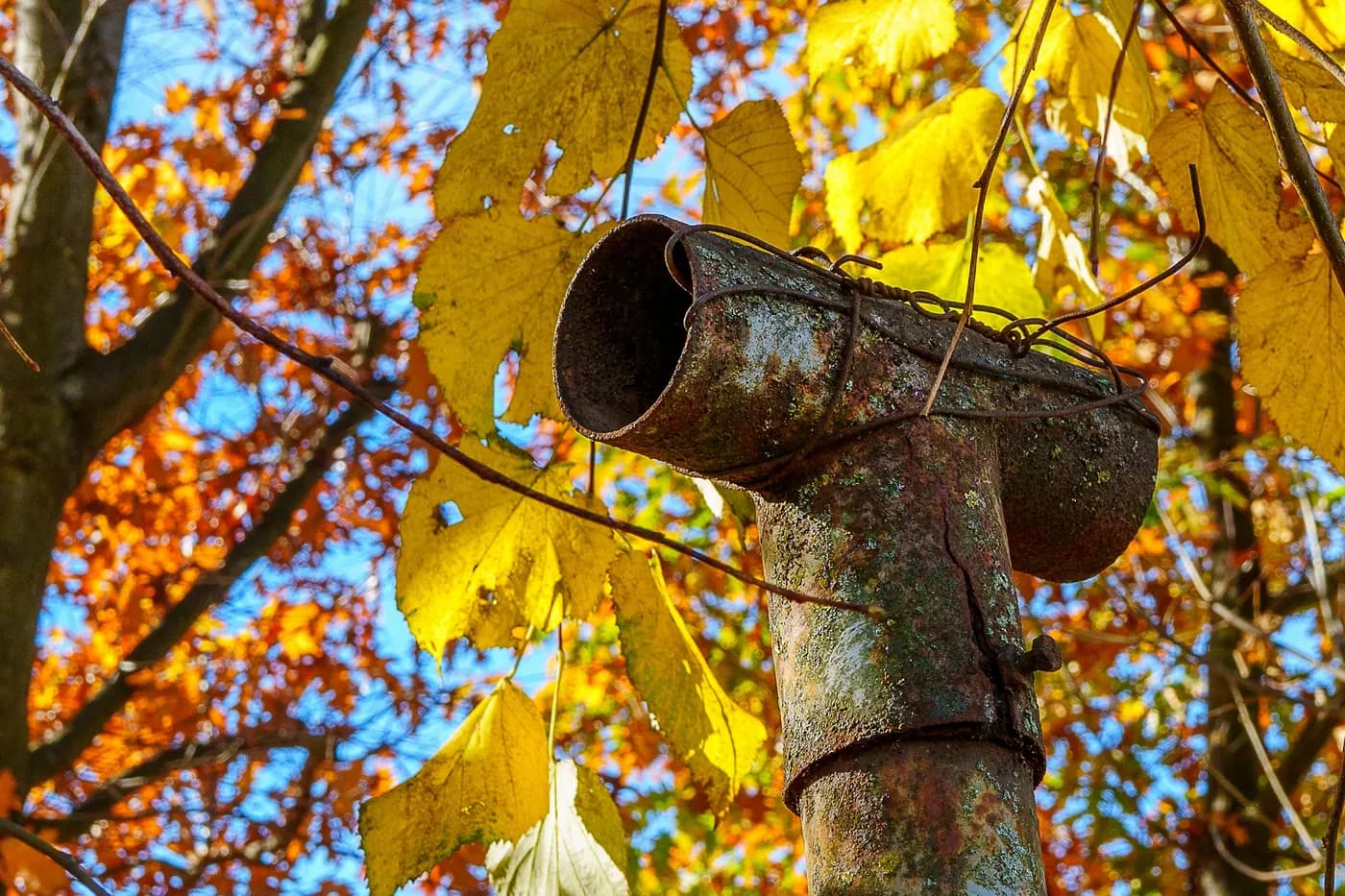
Photo: Gio L / Unsplash (Unsplash License). Credits
You will hear dramatic claims about salt air near the shore. The reality is more useful: salt deposits can speed corrosion of some metals and coatings, mostly at specific weak points. The shingles themselves are not the main concern. Metal components are.
Which parts are affected
- Fasteners — nails, screws and gutter hangers, especially if not rated for the exposure
- Flashing — step, counter, valley and drip edge metal
- Gutters and downspouts, particularly at seams, hangers and outlets
- Cut edges and scratches on coated metal roofing
- Rooftop equipment stands, curbs and edge metal on commercial roofs
Where corrosion starts
Corrosion tends to begin where protective coatings are broken (cut edges, scratches, drilled holes), where salt collects and is not rinsed by rain (under eaves, sheltered corners), and where two different metals touch or where runoff from one metal crosses another.
Distance and exposure matter
An oceanfront house facing an inlet sees far more salt than a house several blocks back or on the mainland. Many metal-roofing manufacturers publish guidance, and sometimes warranty limits, based on distance from salt water. Those documents for the specific product should guide material choice.
What to check each year
- Look at gutter hangers and fasteners for rust staining.
- Check flashing edges and drip edge, especially on the ocean side.
- Inspect downspout outlets and seams.
- On metal roofs, look at fasteners, cut edges and any scratches.
- Rinse sheltered metal areas if the manufacturer recommends it.
Choosing materials
For new work near the water, specify fasteners and flashing compatible with each other and suited to coastal exposure, avoid combining reactive metals in the same drainage path, and follow manufacturer guidance for the site.
The bottom line
Salt air is a maintenance factor for metal components, not a verdict on the roof: choose compatible, coastal-suited metals and check fasteners, flashing and gutters yearly.